
How to Get a Good Night’s Sleep: A Quantum Biology Approach to Restful Nights
We've all had those nights where sleep just doesn't come easy, leaving us feeling groggy the next day. But what if sleep is more than just rest? By understanding the principles of quantum biology, we can align with our body’s natural rhythms, regulate light exposure, and support our brain’s detox system to enjoy deeper, more restorative sleep. In this post, I’ll share simple, science-backed strategies to transform your sleep and boost your energy, mood, and brain health.

We’ve all experienced that groggy feeling after a restless night—hitting snooze one too many times and starting the day on the wrong foot. But what if sleep wasn’t just about feeling refreshed? What if it was about tuning into the natural rhythms of our biology? As a root cause practitioner and wellness coach, I’m here to introduce you to a deeper understanding of sleep, one rooted in quantum biology. Let’s explore how you can harness the power of natural rhythms, light, and your brain’s detox system to transform your sleep patterns for energetic days and peaceful nights.
Why Sleep Matters from a Quantum Perspective
Sleep is often thought of as a time for rest, but in reality, it's a period of intense biological activity. Your body repairs tissues, consolidates memories, and regulates hormones. From a quantum biology perspective, sleep is when your cells interact with light and energy at the mitochondrial level, affecting everything from hormone regulation to cognitive function.
Here’s what quality sleep can do for you:
Better Mood & Hormonal Balance: Quality sleep regulates cortisol and melatonin, leading to a more stable mood and increased emotional resilience.
Increased Focus & Cognitive Function: A well-rested brain clears toxins and regenerates, enhancing memory retention and problem-solving skills.
Enhanced Cellular Health: Sleep allows your mitochondria—your cells' energy powerhouses—to recover, supporting immune health and cellular repair.
Let’s dive into actionable steps to enhance your sleep using a quantum-informed approach.
1. Regulate Your Exposure to Blue Light
Light is one of the most significant regulators of your circadian rhythm. Blue light—emitted by screens and artificial lighting—disrupts melatonin production, the hormone that signals sleep. This is because blue light tricks your brain into thinking it's still daytime, keeping you alert when you should be winding down.
Actionable Tips:
Limit Screen Time Before Bed: Turn off screens at least an hour before bedtime to reduce blue light exposure.
Get Morning Sunlight: Spend time outside in natural sunlight within the first hour of waking. This signals your body to align with its natural circadian rhythm, making it easier to fall asleep at night.
Switch to Red or Amber Lights in the Evening: These warmer hues have less of an impact on melatonin production, helping you wind down naturally.
2. Align Your Sleep Schedule with Quantum Rhythms
Your body operates on a natural rhythm—the circadian rhythm—that’s deeply intertwined with the earth’s 24-hour cycle. Maintaining a regular sleep schedule is key to syncing this internal clock with the natural world, allowing your cells to function optimally.
Pro Tip:
Go to bed and wake up at the same time every day, even on weekends. Consistency helps regulate your internal clock, making it easier to fall asleep and wake up refreshed.
3. Create a Sleep-Friendly Environment to Support Cellular Health
Your sleep environment plays a crucial role in promoting restful nights. On a quantum level, darkness and cooler temperatures encourage melatonin production and allow your cells to focus on repair and recovery.
Optimize Your Environment:
Keep Your Room Dark: Use blackout curtains or a sleep mask to block artificial light, which can interfere with melatonin production.
Lower the Temperature: Keep your bedroom cool (around 60-67°F or 15-19°C) to mimic your body’s natural cooling process before sleep.
Reduce EMF Exposure: Turn off Wi-Fi and keep electronic devices away from your bed. Electromagnetic fields (EMFs) can disrupt cellular processes, especially during sleep.
4. The Glymphatic System: Your Brain’s Nightly Detox
Sleep isn’t just about resting your body—it’s the only time your brain detoxifies itself. This process occurs through the glymphatic system, a waste disposal unit for the brain. During sleep, brain cells shrink slightly, allowing cerebrospinal fluid to flush out toxins, including beta-amyloid, a protein linked to Alzheimer’s disease.
Why This Matters:
Cognitive Clarity: By clearing out harmful waste, your brain functions better, supporting clearer thinking and improved memory.
Reduced Risk of Neurodegenerative Diseases: Regular glymphatic detox reduces the accumulation of toxins that can contribute to diseases like Alzheimer’s and dementia.
Enhanced Brain Health: Deep, restful sleep ensures your brain gets the detox and repair it needs for long-term cognitive health.
5. Sync Your Meals with Your Body’s Natural Rhythms
When you eat plays a significant role in your sleep quality. Quantum biology shows that meal timing affects your body’s natural digestive and energy production cycles.
Eating for Better Sleep:
Eat Early: Finish your last meal at least three hours before bed to give your body time to digest.
Incorporate Melatonin-Rich Foods: Foods like cherries, walnuts, and tomatoes naturally boost melatonin production, promoting better sleep.
6. Manage Stress for Deeper, Restorative Sleep
Stress can wreak havoc on your ability to sleep well. Managing stress is key to syncing your nervous system and allowing your body to fully relax into sleep.
Quantum Stress Reduction Tips:
Deep Breathing: Slow, deep breathing activates your parasympathetic nervous system, signaling your body to relax.
Mindfulness & Meditation: These practices help lower cortisol levels, preparing your mind for restful sleep.
In Conclusion
Sleep is far more than just a time to rest—it’s a regenerative process deeply tied to your body’s quantum biology. By regulating blue light exposure, aligning with natural rhythms, and understanding your brain’s detox system, you can dramatically improve your sleep quality. Prioritizing these practices not only leads to better rest but also protects your brain and cellular health for years to come.
Tonight, create a quantum-aligned sleep sanctuary and experience the benefits of vibrant energy, cellular repair, and brain detox every morning. 🌙✨
Sweet dreams, backed by science!
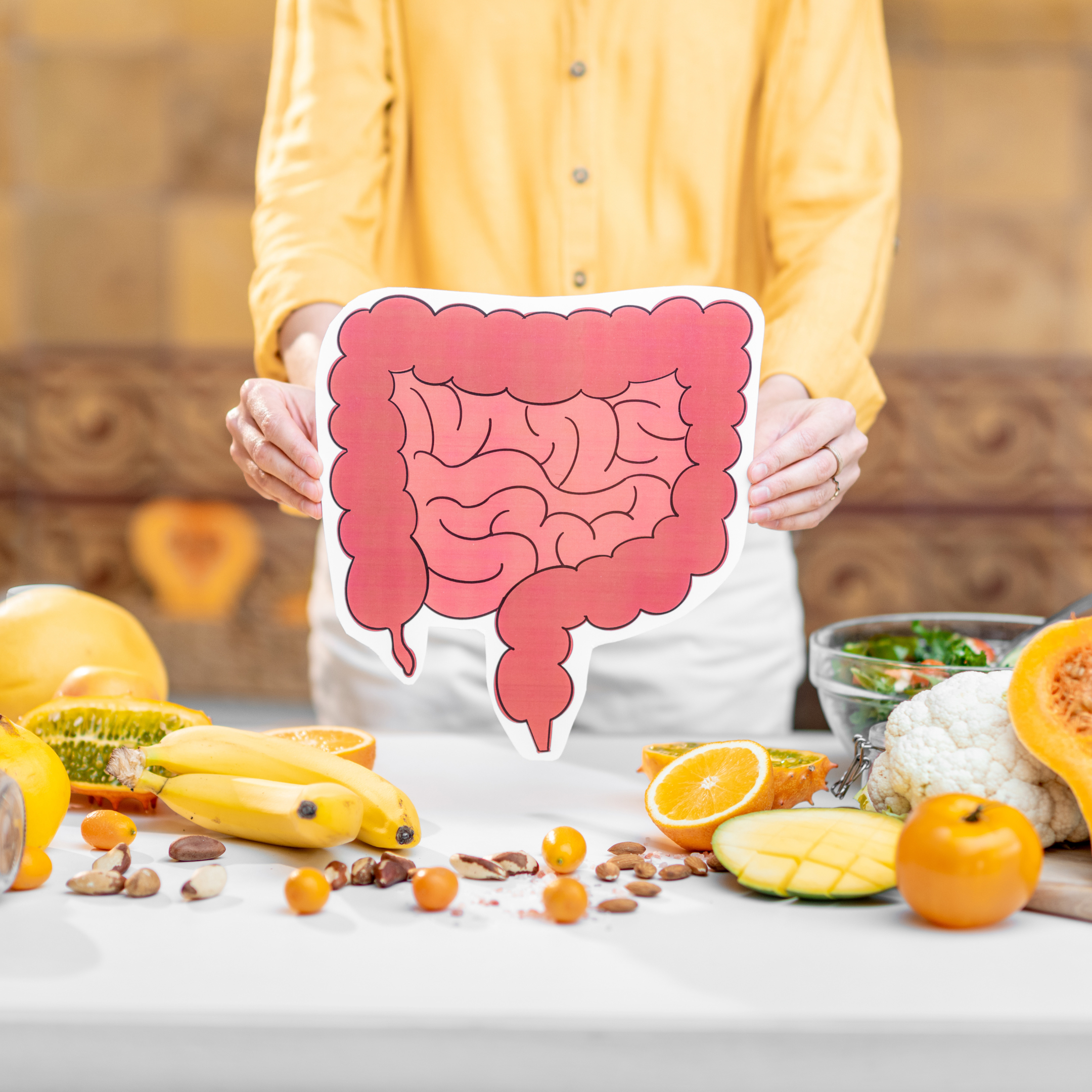
How the Ketogenic Diet Affects Your Gut Health
As a wellness coach and root cause practitioner, I explore how the ketogenic diet impacts gut health, beyond just weight loss and energy. From reducing inflammation to potential challenges with gut diversity, the keto diet has various effects on your inner ecosystem. In this post, I share insights from both science and real client experiences, offering tips to maintain gut health while following keto, ensuring you nourish your body inside and out.

As a wellness coach and root cause practitioner, one of my goals is to guide people on their journey to optimal health. Diet is one of the cornerstones of well-being, and the ketogenic (keto) diet has gained immense popularity in recent years for its role in weight loss, energy stabilization, and even managing chronic conditions like diabetes. But what about the gut—that complex and often overlooked ecosystem that has such a profound impact on overall health?
Today, I want to share my thoughts on how the ketogenic diet affects gut health, based not just on science, but on the lived experiences of clients, and maybe even yourself if you’ve ever dipped your toes into the world of keto.
First, a Quick Keto Recap
If you’re new to the ketogenic diet, here’s a brief overview. The keto diet is a high-fat, low-carbohydrate eating plan that forces your body to enter a metabolic state called ketosis. In this state, your body burns fat for fuel instead of glucose (sugar). While this can be highly effective for fat loss and energy management, its impact on the gut can be a bit more complex.
The Gut Microbiome: Your Inner Ecosystem
Before diving into how keto impacts your gut, let’s talk about why your gut health matters. Your gut is home to trillions of bacteria, fungi, and other microorganisms, collectively known as the gut microbiome. These tiny organisms play a key role in everything from digesting food and absorbing nutrients to regulating your immune system and even affecting your mood. A balanced, diverse microbiome is essential for good health.
Keto’s Impact on the Gut: The Good, The Not-So-Good, and the Adaptable
1. Reduced Inflammation and Bloating: A Breath of Fresh Air for Some
One of the biggest benefits many people experience when starting keto is a noticeable reduction in inflammation and bloating. Carbohydrates, especially processed ones like sugar and refined grains, can contribute to gut irritation and promote the growth of harmful bacteria. By cutting down on these carbs, many people report that they feel lighter, less bloated, and less inflamed.
For those with conditions like IBS or food sensitivities, the ketogenic diet may act as a sort of "reset button," giving the gut a chance to heal.
Personal Insight: I’ve had clients with stubborn digestive issues find significant relief when they transitioned to keto. They could finally pinpoint foods that were causing their flare-ups once they eliminated sugars and processed carbs. However, for others, the initial phases of keto came with its own set of challenges.
2. Gut Diversity: Friend or Foe?
One area where keto gets mixed reviews is how it affects the diversity of gut bacteria. Diversity is crucial because a rich variety of gut bacteria helps us digest a wide range of nutrients and protects against disease.
When you eliminate most fruits, grains, and legumes—the foods high in prebiotic fibers that feed beneficial gut bacteria—you may unintentionally starve some of your good gut bugs. This can lead to a reduction in gut diversity, which isn't ideal in the long term.
Personal Insight: I’ve seen clients with incredible energy and weight loss on keto but also deal with constipation or sluggish digestion. Why? Likely due to a lack of fiber. When we dug deeper, many were neglecting fiber-rich veggies like spinach, kale, and avocado that could keep their gut happier.
3. Short-Term Discomfort: Keto Flu & Digestive Adjustment
When you first start keto, it’s not unusual to experience what’s known as the “keto flu”—headaches, fatigue, nausea, and sometimes digestive issues like constipation or diarrhea. This is often due to the body adjusting to fewer carbohydrates and the shift in fuel sources. Your gut needs to catch up to this change, and in the process, some disruption can occur.
Personal Insight: A few clients expressed frustration during the first couple of weeks, complaining of “not feeling regular” or having mild digestive distress. It’s important to remind yourself that your gut is adjusting to a new way of processing nutrients, and this can take time.
4. Healthy Fats = Healthy Gut?
There’s good news too. Many of the fats emphasized on keto—like coconut oil, olive oil, and avocados—have anti-inflammatory properties and support gut health. Additionally, fatty acids like butyrate, which your body can produce when in ketosis, are known to nourish the cells in your gut lining and help reduce inflammation.
Personal Insight: I encourage clients to focus on these high-quality fats and balance them with fiber from keto-friendly vegetables. This creates a happy medium where the gut can stay healthy while still benefiting from the fat-burning advantages of keto.
5. The Fiber Factor: How to Nourish Your Gut While Staying Keto
Fiber is a major player in gut health, but it can often be overlooked when following a ketogenic lifestyle. However, it’s entirely possible to keep up your fiber intake without breaking out of ketosis. Foods like leafy greens, flaxseeds, chia seeds, and almonds are rich in fiber and can help promote a healthy gut environment.
Adding fermented foods like sauerkraut, kimchi, and low-carb yogurt is also a great way to introduce healthy bacteria (probiotics) into your system, giving your gut some extra love while on keto.
Personal Insight: One of my clients who struggled with chronic constipation made a small adjustment by increasing her intake of chia seeds and leafy greens while on keto. Within a week, her digestion improved dramatically.
How to Keep Your Gut Happy on Keto
If you’re already on the ketogenic diet or thinking about starting it, here are some tips to keep your gut health in check:
Eat a variety of non-starchy vegetables: These are not only keto-friendly but also rich in fiber. Examples include spinach, zucchini, cauliflower, and broccoli.
Incorporate fermented foods: Probiotic-rich options like pickles, kimchi, and kefir can help keep your gut bacteria balanced.
Choose quality fats: Focus on healthy, anti-inflammatory fats like olive oil, avocado oil, and coconut oil.
Stay hydrated: Dehydration can lead to constipation, so drink plenty of water.
Consider supplementation: Sometimes a fiber supplement or a good-quality probiotic can give your gut the extra support it needs during the adjustment phase.
Conclusion: A Balancing Act
The ketogenic diet can be a fantastic tool for weight loss, managing blood sugar, and reducing inflammation, but it's essential to consider how it impacts your gut. Everyone’s gut is different, and some people may need to make adjustments along the way—whether it's adding more fiber, incorporating probiotic-rich foods, or simply giving their body time to adjust.
Remember, the key to any diet is listening to your body and making sure you’re nourishing it in a way that promotes long-term health, inside and out. As someone who’s helped guide people through these changes, I’m here to remind you that balance and personalization are key. The keto diet can work for you—just don’t forget to care for your gut along the way.
Your body will thank you.
If you want to learn more about ketosis, register now in my Keto by Carli Class, and let's dive deeper into Keto.
——————————————————————————————————
Ready to Take Control of Your Health?
Say goodbye to the guesswork and hello to real, sustainable results. 🔥
✨ Join Keto by Carli — your step-by-step guide to living a fat-fueled, energized life!
✔️ Learn exactly what to eat
✔️ Cut the cravings
✔️ Reset your body (and mindset!)
✔️ Get the support and accountability you need
💥 It's time to get those carbs OUT and your confidence UP.
Click below to join the movement — your keto journey starts right now! 👇
Join My Keto Class at https://www.wellnessbycarli.com/keto-by-carli
5 Supportive Ideas for Managing PCOS: Addressing Autophagy, Ketosis, and Carb Cycling
Struggling with PCOS? Explore five holistic strategies to manage symptoms, including the role of autophagy, ketosis, and carb cycling in balancing hormones and improving insulin sensitivity. Learn how small, sustainable changes can make a big difference in managing PCOS naturally.

Polycystic Ovary Syndrome (PCOS) affects millions of women worldwide and is a complex condition that goes beyond irregular periods and fertility challenges. PCOS involves insulin resistance, inflammation, hormonal imbalances, and even issues with autophagy—the body’s natural process for cleaning out damaged cells and regenerating new ones. Because of this, diet and lifestyle changes that target these root causes can be game-changers in managing PCOS.
As someone who has both studied and lived with PCOS, I’ve learned that taking a holistic approach to the condition can make a huge difference. In this post, I’ll share five key support ideas, including how understanding autophagy and utilizing ketosis with carb cycling can help you manage PCOS more effectively.
1. Support Autophagy with Fasting and Ketosis
One of the lesser-known but critical aspects of PCOS is how it disrupts autophagy, your body’s cellular cleaning process. When autophagy is impaired, it can worsen inflammation, hormone imbalances, and insulin resistance—all major factors in PCOS. One way to kickstart autophagy is through ketosis, which is achieved by following a low-carb, high-fat diet.
Ketosis mimics the effects of fasting by pushing the body to burn fat for fuel, which can reduce inflammation and improve insulin sensitivity—two core issues in PCOS.
Intermittent fasting (IF) can stimulate autophagy by allowing your body more time to repair and regenerate cells. I’ve found that a simple 16:8 fasting schedule—where you fast for 16 hours and eat during an 8-hour window—can be a great way to ease into this practice. Not only does this boost autophagy, but it also helps regulate insulin levels.
The ketogenic diet emphasizes high-fat, moderate-protein, and low-carb intake, which can push your body into a state of ketosis. This diet may reduce the frequency of insulin spikes and improve hormonal balance, helping manage PCOS symptoms like weight gain and irregular periods.
Together, fasting and ketosis can be powerful tools in activating autophagy and giving your body the internal reset it needs to manage PCOS more effectively.
2. Use Carb Cycling to Balance Hormones
While ketosis is great for managing insulin resistance and inflammation, long-term strict keto can sometimes be challenging, especially for women with hormonal imbalances. Enter carb cycling—a method where you alternate between low-carb and higher-carb days to support both metabolic flexibility and hormone regulation.
Carb cycling is beneficial for women with PCOS because it helps:
Support thyroid function: Long-term keto can sometimes suppress thyroid hormones, leading to fatigue and sluggish metabolism. A higher-carb day can give your thyroid the boost it needs to keep hormone production balanced.
Prevent metabolic slowdown: Constantly being in ketosis can reduce leptin levels (the hormone responsible for hunger and metabolism). Carb cycling helps maintain healthier leptin levels and prevents metabolic adaptation.
Boost energy: PCOS often leads to low energy, and adding carbs strategically around workout days can help you maintain energy levels and build muscle.
For example, you might follow a ketogenic diet for five days, then incorporate two days of higher carb intake, focusing on healthier carbs like sweet potatoes, quinoa, or fruit. This flexibility allows you to manage insulin resistance without the hormonal imbalances that sometimes come from strict low-carb diets.
3. Incorporate Strength Training for Insulin Sensitivity
Exercise is critical for managing PCOS, especially when it comes to improving insulin sensitivity. Strength training, in particular, has been shown to help the body use insulin more efficiently by building muscle mass, which can reduce insulin resistance—a key driver of PCOS.
Weight training helps build lean muscle, which burns more glucose and helps regulate blood sugar levels.
Resistance exercises like squats, deadlifts, and lunges improve metabolic health and encourage better insulin regulation. Over time, this helps mitigate the hormonal imbalances that are often linked to PCOS.
When you pair strength training with intermittent fasting or ketosis, it amplifies the benefits for both insulin sensitivity and autophagy, helping your body regulate itself more effectively.
4. Prioritize Gut Health with Anti-Inflammatory Foods
PCOS is often linked with chronic inflammation, which can exacerbate symptoms like acne, fatigue, and weight gain. Poor gut health can contribute to inflammation, so it's essential to include foods that nourish your gut and reduce inflammation.
Eat fermented foods like sauerkraut, kimchi, and yogurt, which provide beneficial probiotics to support gut health.
Incorporate anti-inflammatory foods like fatty fish (salmon, sardines), leafy greens, and berries. These foods contain omega-3 fatty acids and antioxidants, which help reduce the chronic inflammation associated with PCOS.
Limit inflammatory triggers like processed foods, refined sugar, and trans fats. These can worsen insulin resistance and inflammation, which only makes PCOS symptoms harder to manage.
A diet rich in fiber, healthy fats, and anti-inflammatory foods can also support your body’s autophagy process, helping your cells function optimally and reducing the underlying inflammation that drives many PCOS symptoms.
5. Reduce Stress to Support Hormonal Balance
Stress is one of the biggest but often overlooked factors that can worsen PCOS. When you're constantly stressed, your body produces more cortisol, which can lead to increased insulin resistance, weight gain, and hormonal imbalances.
Chronic stress also interferes with autophagy and cellular repair processes, making it harder for your body to recover and heal. Reducing stress through simple daily practices can help balance your hormones and improve PCOS symptoms.
Practice mindfulness or meditation for at least 10 minutes each day. Even short sessions can lower cortisol levels and help regulate your menstrual cycle.
Breathing exercises can calm the nervous system and reduce stress-induced hormonal imbalances.
Prioritize sleep. Poor sleep can spike cortisol and insulin, both of which are already problematic in PCOS. Aim for 7–8 hours of restful sleep each night to support hormonal balance and improve your body’s ability to activate autophagy.
By managing stress, you're giving your body the chance to function more optimally and regulate hormones naturally.
Final Thoughts
Managing PCOS requires a multi-faceted approach that addresses not just symptoms but the root causes—insulin resistance, inflammation, and impaired autophagy. Strategies like intermittent fasting, ketosis with carb cycling, strength training, gut health, and stress reduction all work together to support your body’s natural healing processes.
If you’re looking for holistic ways to manage PCOS, start by exploring how these strategies fit into your lifestyle. Small, sustainable changes can have a significant impact on your health and help you take control of PCOS in a way that works for your body.
If you are interested in learning more, then pitch my KetobyCarli virtual class.

The Healing Power of Nature: Embracing the Benefits of the Great Outdoors
In today’s fast-paced world, it's easy to forget how much healing power nature holds. Whether it’s a walk in the park or a weekend in the mountains, spending time outdoors can work wonders for your mind, body, and soul. Join me as I explore the simple yet profound ways that nature helps us feel better, think clearer, and live more fully.
In an era dominated by screens, schedules, and stress, the natural world offers a timeless remedy that many of us overlook. The healing power of nature is not just a poetic idea but a profound truth supported by scientific research and personal experience. This blog post delves into why nature is such a potent healer, exploring its benefits for mental, physical, and emotional well-being.
1. The Science Behind Nature’s Healing Power
Numerous studies have highlighted the therapeutic effects of spending time in natural settings. Research published in the journal Nature found that even brief encounters with nature can improve mood and cognitive function. The concept of “biophilia,” introduced by Edward O. Wilson, suggests that humans have an innate connection to nature and that this bond is essential for our well-being.
One landmark study from the University of Michigan showed that walking in nature, as opposed to urban environments, leads to improved attention and memory. Similarly, another study in the Journal of Environmental Psychology demonstrated that patients recovering from surgery in rooms with views of nature had shorter recovery times and required less pain medication.
2. Mental Health Benefits
Nature has a remarkable ability to soothe the mind. The hustle and bustle of modern life can lead to chronic stress, anxiety, and even depression. Immersing oneself in natural settings helps counteract these effects by reducing levels of cortisol, a stress hormone. The calming sounds of rustling leaves, flowing water, and birdsong contribute to a serene atmosphere that promotes relaxation.
Mindfulness and meditation practices in nature have shown promising results for mental health. Spending time outdoors encourages a form of mindful awareness that enhances mood and provides clarity. The natural world acts as a powerful antidote to the overstimulation and distractions of contemporary life, allowing individuals to reconnect with themselves.
3. Physical Health Benefits
Nature’s healing power extends beyond mental well-being to physical health. Regular exposure to green spaces has been linked to lower blood pressure, improved cardiovascular health, and enhanced immune function. The fresh air, physical activity associated with outdoor activities, and natural light all contribute to these benefits.
Moreover, activities like hiking, swimming in natural bodies of water, or even gardening engage different muscle groups and promote overall fitness. The Vitamin D absorbed from sunlight further supports bone health and boosts the immune system. Engaging in outdoor exercise not only strengthens the body but also refreshes the mind.
4. Emotional and Social Benefits
Embracing nature can foster deeper emotional connections and enhance social relationships. Shared experiences in natural settings, such as family hikes or community gardening projects, strengthen bonds and create lasting memories. Nature encourages a sense of community and cooperation, providing a common ground for people to connect and support each other.
For individuals struggling with loneliness or social anxiety, nature offers a gentle, non-threatening environment to build confidence and engage with others. Participating in group outdoor activities can help develop social skills and reduce feelings of isolation.
5. Practical Tips for Incorporating Nature into Your Life
Daily Walks: Make time for a daily walk in a nearby park or green space. Even short periods of exposure to nature can be beneficial.
Outdoor Workspaces: If possible, set up a workspace near a window or in an outdoor area to benefit from natural light and fresh air.
Nature-Based Hobbies: Explore hobbies that connect you with nature, such as gardening, birdwatching, or trail running.
Mindful Nature Experiences: Practice mindfulness during your time outdoors. Focus on the sensory experiences of nature, such as the smell of pine or the sound of a flowing stream.
Plan Nature Retreats: Schedule regular retreats or vacations to natural destinations. Whether it’s a weekend camping trip or a day at the beach, time away from the hustle and bustle can rejuvenate your spirit.
Conclusion
The healing power of nature is a gift that is both profound and accessible. By immersing ourselves in natural environments, we can tap into a source of physical, mental, and emotional rejuvenation. In our fast-paced world, making time for nature isn’t just a luxury—it’s a necessity for a balanced and healthy life. So, step outside, breathe deeply, and let the natural world work its magic on you.
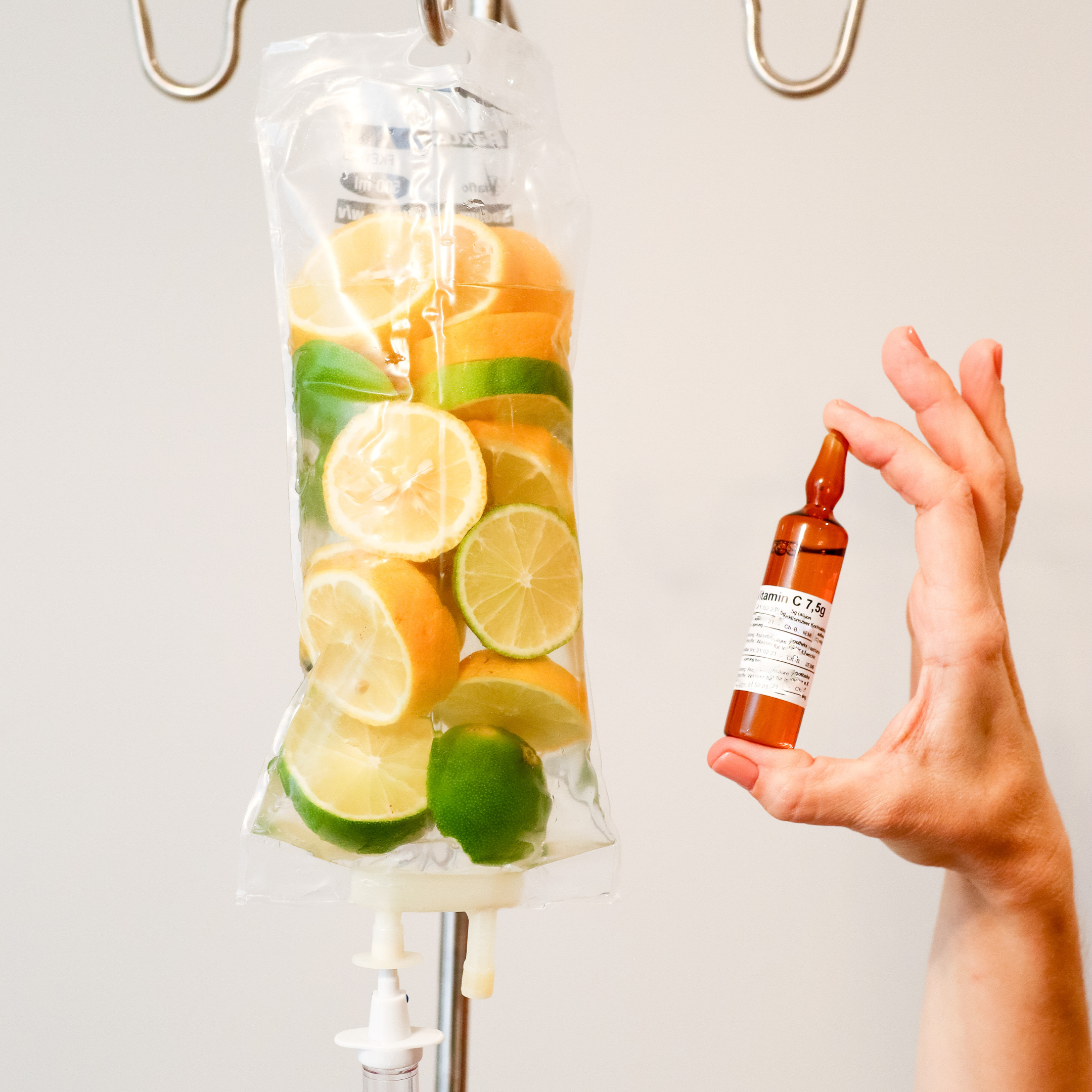
Aspirin and Vitamin C as Cancer Therapy: New Insights from a Recent Study
In the ongoing battle against cancer, hope often comes from unexpected places. This blog post explores the intriguing potential of two familiar substances: aspirin and vitamin C. Drawing from recent research, we’ll uncover how these everyday remedies might work together to enhance cancer therapy, offering new hope for patients facing tough challenges. Join us as we delve into the promising findings and what they could mean for future treatment options, paving the way for safer and more effective approaches in cancer care.

The fight against cancer has made enormous strides over the past few decades, but the quest for more effective and less harmful treatments continues. Recently, scientists have revisited a pair of well-known substances—aspirin and vitamin C—as potential allies in the battle against cancer. While both aspirin and vitamin C have long histories as effective over-the-counter remedies for common ailments, new research is shedding light on their potential roles in cancer therapy. In this blog post, we’ll explore the findings of a recent study that highlights the possible cancer-fighting benefits of these two substances and what it could mean for future treatment strategies.
The Background on Aspirin and Vitamin C
Aspirin: More Than Just Pain Relief
Aspirin, or acetylsalicylic acid, has been widely used for over a century as an anti-inflammatory, pain reliever, and fever reducer. It works by inhibiting enzymes called cyclooxygenases (COX-1 and COX-2), which are responsible for the production of inflammatory chemicals in the body. This makes aspirin effective for treating conditions like headaches, arthritis, and cardiovascular issues.
But aspirin’s potential role in cancer prevention has also been under investigation for decades. Some studies have shown that regular low-dose aspirin use can reduce the risk of certain types of cancer, particularly colorectal cancer. The mechanism is thought to be linked to aspirin’s anti-inflammatory properties and its ability to promote cell death (apoptosis) in abnormal cells.
Vitamin C: More Than an Immune Booster
Vitamin C, or ascorbic acid, is a powerful antioxidant best known for its role in supporting the immune system and protecting against oxidative stress. It’s found in a wide variety of fruits and vegetables and is a common dietary supplement.
In the context of cancer therapy, vitamin C has been explored for its ability to combat the oxidative stress that cancer cells often exploit for survival. However, research in this area has been controversial, with some studies suggesting that vitamin C might actually promote cancer cell survival under certain conditions, while others highlight its potential to enhance cancer therapies.
The Recent Study: Combining Aspirin and Vitamin C
A recent study, published in 2024, has taken a fresh look at the combination of aspirin and vitamin C as a cancer therapy. This research focused on how these two substances could work together to inhibit tumor growth, particularly in cancers that are resistant to standard treatments. Here are some of the key findings:
Enhanced Apoptosis of Cancer Cells: The study found that combining aspirin with high doses of vitamin C significantly increased apoptosis (programmed cell death) in cancer cells. This was particularly notable in cancers that are typically resistant to conventional chemotherapy, such as pancreatic and certain types of lung cancer. The combination worked by inducing oxidative stress in cancer cells, overwhelming their defenses and leading to cell death.
Reduction in Tumor Growth: In animal models, the aspirin and vitamin C combination therapy led to a marked reduction in tumor size and growth rate compared to treatments with either aspirin or vitamin C alone. This suggests that the two substances may have a synergistic effect when used together, amplifying each other’s cancer-fighting properties.
Targeting Metabolic Vulnerabilities: Cancer cells often rely on altered metabolic processes to fuel their rapid growth. The study demonstrated that aspirin and vitamin C together could disrupt these metabolic pathways, starving the cancer cells of the energy they need to grow and divide. By interfering with the cancer cells' ability to manage oxidative stress and maintain energy production, the combination therapy showed promise in limiting cancer progression.
Low Toxicity and High Tolerability: One of the most appealing aspects of this potential therapy is its relatively low toxicity compared to traditional chemotherapy. Both aspirin and vitamin C are generally well-tolerated when taken within recommended doses, and the study indicated that even at higher therapeutic doses, side effects were minimal. This could make the combination a valuable option for patients who are unable to tolerate more aggressive cancer treatments.
Implications for Cancer Therapy
The findings of this study suggest that aspirin and vitamin C could be integrated into existing cancer treatment regimens, particularly for cancers that are resistant to conventional therapies. Here are some possible implications for future treatment approaches:
Adjuvant Therapy: Aspirin and vitamin C could be used as an adjunct to standard chemotherapy and radiation therapy, helping to enhance their effectiveness while potentially reducing the need for high doses of toxic drugs.
Preventative Use: Given the established benefits of aspirin in preventing certain cancers, the addition of vitamin C might bolster its preventive effects, particularly for individuals at high risk of developing cancer.
Personalized Medicine: As our understanding of cancer biology grows, the use of aspirin and vitamin C could be tailored to the specific metabolic and genetic profiles of individual patients, allowing for more targeted and effective treatment strategies.
Challenges and Considerations
While the results of this study are promising, there are still challenges and questions that need to be addressed:
Optimal Dosage: Determining the right dosage of aspirin and vitamin C for cancer therapy is critical. Too little may be ineffective, while too much could cause harmful side effects, such as gastrointestinal bleeding from aspirin or kidney issues from excessive vitamin C.
Patient Selection: Not all patients may benefit from aspirin and vitamin C therapy. Factors such as the type of cancer, stage of the disease, and individual health conditions will need to be carefully considered.
Long-Term Effects: While the short-term effects of aspirin and vitamin C appear to be well-tolerated, the long-term impacts of high-dose usage remain unknown and require further investigation.
Conclusion
The potential use of aspirin and vitamin C as part of cancer therapy opens up an exciting new avenue for research and treatment development. While these common, widely available substances have long been associated with everyday health benefits, their combined effects on cancer cells could offer a safer, more accessible option for patients battling certain forms of the disease.
However, it’s important to note that while the findings are encouraging, more clinical trials and studies are necessary to fully understand the potential of aspirin and vitamin C in cancer treatment. Patients should always consult with their healthcare providers before starting any new treatment regimen, especially when dealing with complex conditions like cancer.
As research continues to evolve, the possibility that two over-the-counter remedies could contribute to the fight against cancer serves as a reminder of the untapped potential hidden within familiar substances.

The Importance of Natural Sunlight for Hormonal Balance
In today’s fast-paced, indoor lifestyle, many of us overlook the profound impact of natural sunlight on our health. As a root cause practitioner, I’ve learned how essential sunlight is for regulating key hormones like serotonin and melatonin, which influence mood, energy, and sleep. In this post, I share both science and personal insights on how reconnecting with sunlight can help restore balance and well-being.

As a root cause practitioner and wellness coach, one of the most foundational aspects of health I emphasize to my clients is the power of natural sunlight. Many of us have become disconnected from this basic yet profound source of healing, unaware of how deeply it impacts our hormonal health and overall well-being. In my work, I always encourage going beyond treating symptoms to find the underlying causes of health imbalances—and when it comes to hormones, sunlight plays a key role that is often overlooked.
The Connection Between Sunlight and Hormones
Our bodies are intricate systems that respond to the rhythms of nature. Hormones, which control everything from our mood and energy to sleep and stress, are particularly sensitive to light exposure. Natural sunlight is one of the most powerful regulators of our internal clock, also known as the circadian rhythm.
Let’s talk about two key hormones that sunlight directly impacts: serotonin and melatonin.
Serotonin: This is often referred to as the “happiness hormone,” and for good reason. Serotonin helps regulate mood, energy, and feelings of well-being. Exposure to natural sunlight increases serotonin production, which is why we feel more positive and energized after spending time outdoors. When we lack sunlight, serotonin levels drop, leaving us feeling sluggish, anxious, or even depressed. This is one of the reasons many people experience a dip in mood during the winter months or when they spend extended time indoors.
Melatonin: Melatonin is the hormone that tells our bodies it’s time to rest. It regulates sleep and is essential for recovery and repair during the night. However, melatonin production is tied directly to the light-dark cycle. Sunlight exposure during the day helps regulate melatonin levels so that when night falls, our bodies naturally produce this hormone, promoting restful sleep. Without enough sunlight during the day, melatonin production can become disrupted, leading to poor sleep quality or difficulty falling asleep.
As a practitioner, I often see clients who struggle with mood swings, anxiety, fatigue, and sleep disorders, and the root cause frequently traces back to an imbalance in these key hormones—often due to a lack of sunlight exposure.
Personal Reflections: My Own Journey with Sunlight and Hormones
I didn’t always fully appreciate the importance of sunlight either. There was a time when I, too, was working long hours indoors, skipping outdoor time in favor of productivity. I noticed I felt off—low energy, irritable, and my sleep was all over the place. I would wake up tired, despite clocking what should have been enough hours of sleep.
It wasn’t until I began exploring root cause approaches to my health that I started connecting the dots. I realized that my lack of natural sunlight was disrupting my body’s natural rhythms. Once I made a conscious effort to incorporate daily sunlight exposure into my routine, the changes were almost immediate. My mood improved, I had more energy, and perhaps most importantly, I began sleeping deeply again.
This shift was a game changer for me, and it’s now something I share with every client I work with.
The Biological Impact of Sunlight
To understand why sunlight is so important, we need to look at our biology. Our bodies evolved to be in sync with natural light cycles. Thousands of years ago, before the advent of artificial lighting, we lived by the rising and setting of the sun. Our hormones, specifically cortisol (the stress hormone), estrogen, testosterone, and others, were regulated by these natural light patterns.
Cortisol, for example, follows a natural rhythm where it should be highest in the morning (to help us wake up and start our day) and gradually decrease throughout the day, allowing melatonin to rise in the evening. Sunlight in the morning helps keep this cycle in check. When we start our day by getting outside and absorbing that natural light, we’re signaling to our body, “It’s time to wake up, energize, and be productive.” But when we don’t get enough sunlight, our cortisol levels can become dysregulated, leading to feelings of stress and exhaustion. This imbalance can cascade into other hormonal systems, affecting everything from metabolism to reproductive health.
Root Cause Wellness: Sunlight as a Non-Negotiable
From a root cause perspective, health imbalances rarely exist in isolation. If someone is struggling with anxiety, depression, sleep disturbances, or hormonal imbalances, we have to look at what foundational elements are missing. More often than not, insufficient natural sunlight is a contributing factor.
What’s key to understand is that sunlight isn’t just about Vitamin D production—though that’s an important piece of the puzzle. It’s about how light informs our body’s internal systems, regulating everything from our energy levels to how we process stress. Without enough sunlight, our bodies get confused. The rhythm that governs our hormones and overall health gets disrupted.
How to Get More Natural Sunlight (Without Overdoing It)
One of the questions I get asked most often is, “How much sunlight is enough?” The answer can vary depending on where you live, the season, and your skin type, but generally, I recommend starting with 15-20 minutes of natural sunlight exposure each morning. If possible, aim for that early morning light—this is when the sun’s rays are gentler, but still effective at signaling to your brain that it’s time to wake up and start your day.
Here are a few practical ways to incorporate more natural sunlight into your life:
Morning walks: As a wellness coach, I encourage clients to begin their day with a brief walk outside. Even a 10-15 minute walk can be enough to sync your body’s internal clock and kickstart your hormone production.
Work near natural light: If you work from home or indoors, position your workspace near a window. Let natural light in throughout the day to keep your hormones regulated.
Take breaks outside: Even short breaks throughout the day, where you step outside for a few minutes of fresh air and sunlight, can have a cumulative effect on your health.
Weekend nature time: Make outdoor time a priority on weekends. Whether it’s hiking, gardening, or simply relaxing in the sun, spending extended time outdoors can replenish your body’s natural rhythms.
Conclusion: Sunlight as a Foundational Pillar of Hormonal Health
In our modern world, it’s easy to overlook the basics. We live in a time where artificial lighting and indoor living have become the norm, but our bodies are still wired for natural light. As a root cause practitioner, I’ve seen firsthand how restoring this simple element—regular exposure to natural sunlight—can transform hormonal health and overall well-being.
If you’ve been feeling out of balance, whether it's your mood, energy, or sleep, I encourage you to consider how much time you’re spending outside in natural sunlight. You might find that this simple shift is the missing piece to restoring harmony in your body and mind.
Remember, healing is often about returning to the basics, and sunlight is one of the most powerful, natural tools we have.
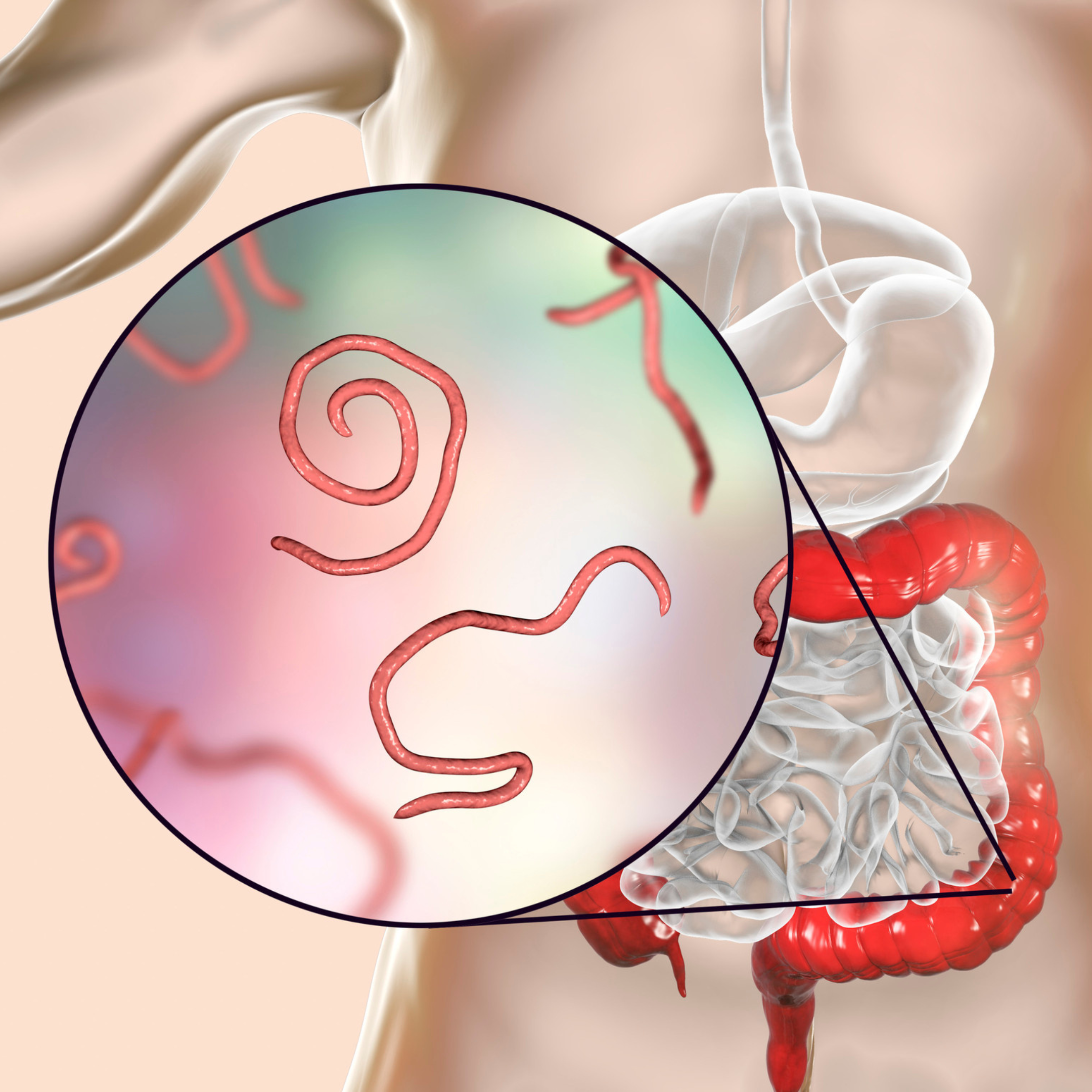
Why is it Important to Do a Parasite Cleanse?
Feeling drained and not quite yourself? You might be facing the silent struggle of parasites in your body. In our latest blog post, we dive into the importance of a parasite cleanse and how it can transform your health journey. Discover the signs of parasitic infections, the benefits of cleansing, and practical steps you can take to reclaim your energy, improve your digestion, and enhance your overall well-being. Join us as we explore how a simple cleanse can make a world of difference in your life!

In recent years, the concept of a parasite cleanse has gained traction among those seeking to improve their health and well-being. But what exactly is a parasite cleanse, and why might it be important? This blog post will explore the significance of parasite cleanses, their potential benefits, and considerations for incorporating them into your health regimen.
Understanding Parasites and Their Impact on Health
Parasites are organisms that live on or inside a host organism and derive their nutrients at the host's expense. They can be microscopic, like protozoa, or larger, like worms. Common parasites include Giardia, Cryptosporidium, and tapeworms. These invaders can affect various parts of the body, from the intestines to the skin.
Symptoms of parasitic infections can vary widely, including digestive disturbances, fatigue, weight loss, and skin issues. Sometimes, people may not even realize they have a parasite, as symptoms can be subtle or mimic other health conditions.
Why Consider a Parasite Cleanse?
Improved Digestive Health
One of the most common reasons for undertaking a parasite cleanse is to address digestive issues. Parasites can disrupt normal digestive function, leading to symptoms like bloating, gas, diarrhea, or constipation. By removing these parasites, many people report a significant improvement in their digestive health.Enhanced Immune Function
Parasites can weaken the immune system by diverting resources away from your body’s natural defenses. A cleanse can help restore balance and improve immune function, potentially making you less susceptible to infections and other illnesses.Increased Energy Levels
Chronic fatigue can be a sign of parasitic infection. As parasites consume nutrients and cause digestive disturbances, they can leave you feeling drained. Cleansing the body of parasites can help restore your energy levels and improve overall vitality.Mental Clarity and Mood Improvement
Some people find that a parasite cleanse improves mental clarity and mood. Parasites can sometimes cause or exacerbate mood swings, brain fog, or anxiety. By addressing these infections, individuals may experience better cognitive function and a more stable mood.Support for Weight Management
Unwanted parasites can affect metabolism and contribute to weight gain or loss. A cleanse may help reset your digestive system and metabolism, making it easier to manage your weight and maintain a healthy balance.
How to Approach a Parasite Cleanse
1. Consult a Healthcare Professional
Before starting a parasite cleanse, it’s crucial to consult with a healthcare provider, especially if you have underlying health conditions. They can help determine if a cleanse is appropriate for you and recommend safe and effective methods.
2. Choose the Right Method
Parasite cleanses can be done using various methods, including herbal supplements, dietary changes, and fasting. Common herbs used in cleanses include wormwood, black walnut, and cloves. Research and choose a method that aligns with your health needs and preferences.
3. Focus on a Balanced Diet
During a cleanse, it’s essential to maintain a healthy diet that supports your body’s detoxification processes. Emphasize whole foods, such as fruits, vegetables, and lean proteins, and stay hydrated to help flush out toxins.
4. Monitor Your Body’s Response
Pay attention to how your body reacts during and after the cleanse. Some people may experience temporary discomfort or symptoms as the parasites are eliminated. If you experience severe or prolonged symptoms, seek medical advice.
5. Maintain Good Hygiene Practices
Preventing future infections is crucial. Practice good hygiene, such as washing your hands regularly, cooking food thoroughly, and avoiding contact with contaminated water or soil.
Final Thoughts
A parasite cleanse can offer numerous benefits, from improved digestive health and energy levels to enhanced immune function and mental clarity. However, it’s essential to approach a cleanse with careful consideration and proper guidance. By understanding the impact of parasites on your health and taking informed steps towards cleansing, you can support your overall well-being and maintain a healthier lifestyle.
If you're considering a parasite cleanse, start by consulting with a healthcare professional to ensure it's the right choice for you and to receive personalized advice on how to proceed safely and effectively.
Join my WBC Group Parasite Cleanse and let’s get those unwanted guests OUT — for GOOD! 🪱💥
👉 If you're tired of feeling bloated, foggy, sluggish, or just off... this is your sign.
It’s time to reset your gut, boost your energy, and reclaim your body.
💪 Group support, step-by-step guidance, and real results.
You’re NOT doing this alone — we’re doing it together. 💯
Join my WBC Group Parasite Cleanse
Let's get those things OUT!

MOLD TOXICITY + NATURAL HEALING IN HOUSTON, TX (Copy)
This is a story about the mold exposure in Houston Texas and subsequent symptoms my son and I had from mycotoxins. We used a functional medicine approach to heal using a bean protocol and natural supplements.

Since going through my own mold experience, I have become much more aware of what an epidemic mold toxicity truly is. I want to share my personal story with you all, to act as a resource and a consolidated place where you can reference information that I had to spend hours and hours trying to find for myself. Please know as with any health-related information on my site, it is essential to consult with your own medical team before starting any supplements or trying to detox yourself. Mold toxicity is not something to take lightly. But the great news is that our bodies are resilient, and once your environment is cleaned up, things can get better rapidly.
My story started when we lived in an apartment in Houston. It was Dec 2017 and I had just given birth to my son. This is key point for me personally because it is the reason it took me so long to notice a mold problem—I was blaming many of my symptoms on postpartum/endocrine imbalances. Also, it is important to note that we tested the apartment for mold and it passed with flying colors. The problem is that air trap tests are not ideal in finding mycotoxins and are not the best way to assess the health of a home.
Here is a general health/event timeline of what happened, including symptoms, that looking back, may or may not have been from the mold exposure:
· I had Postpartum blues for 9 weeks, but then they lifted.
· Our infant Son, Hayes, cried a lot (as many babies do), but he would not nap more then 10-20 minutes at a time.
· Hayes developed some Keratosis Pilaris (hard small bumps on his arms and legs) around 7 months.
· Since giving birth I had extreme fatigue. It was mild from 2018-2019, then started to get much worse. This was easy to blame on being a new mom, but it was debilitating. My son was 1 and I would still have to nap every day and had a very hard time waking up in the morning. Most days I could only muster energy to sit on the couch.
· Hayes started showing signs of dysbiosis (hard, swollen belly, frequent gas) and some hyperactivity. He would act manic in response to probiotics around 1 y.o.
· I ran a GI Map stool assessment on Hayes and it came back that he had SIBO. I started him on Gut-Cleanse Supplements (see below).
· Other symptoms I experienced since giving birth/moving into the house hair was falling out, suppressed/flat mood, mild anxiety, poor memory/brain fog, no apatite, mild weight gain, no thirst, irregular cycle then lost my cycle all together as of 2019, dermatitis behind my ears and on my scalp, dandruff for the first time in my life, my skin itched all over, insomnia, rash under wedding ring and under my armpit, lower back pain, and tiny cherry angiomas all over my skin.
· At this time I was seeing a Functional MD and acupuncturist to try and address my symptoms and I took Hayes to a Functional Pediatrician to run some advanced test. See below for details.
· I was convinced all of my symptoms were from an EBV diagnosis until we did further testing.
· August 2018 we saw mold under our bathroom sink (a lot). We ran a DIY Mold test that came back positive for Aspergillus (a common mold from water damage).
· Aug 2018 I then decided to test myself. I ran Great Plains Mycotoxin Profile on myself (this is a urine panel that you take at home). This came back positive for Ochratoxin A, which is a mycotoxin from Aspergillus, the same mold that was under the sink. Normal range <4, my level was 11.8. This mold byproduct is nephrotoxic, immunotoxic, and carcinogenic.
· Hayes started to cough at night, showing no signs of cold or illness during the day. He also would wake up from naps hysterically crying, daily.- June 2019
· I took Hayes to see a Functional MD to run labs. This is what she ran: CBC with Diff, Complete Metabolic Panel, HLA Mold Susceptibility Test, GX Science newborn genetic panel, Nutrients (Iron Panel, B12, Vit D), Homocysteine, ADH, TGF Beat-1, VIP, VEGF, AGA, MSH. Summary for Hayes’ visits: Hayes has a genetic haplotype for mold susceptibility and his MSH was low which indicated that the biotoxin pathway was upregulated and he was diagnosed with Chronic Inflammatory Response Syndrome (CIRS). This means that his immune system could not tag toxins when they came into his body leading to inflammation and hormone dysregulation. This was likely the root of his GI problems and sleep issues. The game plan was to 1. Remove mold exposure by cleaning up the house 2. Decrease inflammation 3. Detox the mycotoxins
· Jan 2020 we started Hayes on protocol below and performed more mold testing to get to the source.
· I continued to have problems but going to acupuncture regularly and taking a ton of Chinese herbs and liposomal Glutathione helped me improve about 50%.
· After Hayes’ lab results came back we immediately ran an ERMI (test details below) and got air filters for the bedrooms. We also purchased two additional air filters to go in the AC units: the REME Halo and the Bi-polar 2400.
· Our ERMI results came back at a 25 (ideally they should be 0-8)
· I got on The Texas Department of Licensing & Regulation and found a licensed mold remediation company called a company to come and do a free inspection. They were familiar with the ERMI as well as the air filters I purchased, which was a good sign.
·The mold company found mold under our bathroom sink, and everywhere in the air ducts. It was extremely overwhelming.
· From this point on I became hyper aware of all of the health problems that Hayes and I were showing that were likely from mold and my anxiety was through the roof which led to a few weeks of chronic insomnia.
Hayes and I left to stay with my parents until the apartment was cleaned up.
· The entire air duct system was remediated.
· We also purchased a UV /Ozone light to kill any remaining spores that may have mobilized during the remediation.
· Below is a list of cleaning products we used on our clothes and in cleaning up the apartment.
· I personally discovered dietary and supplemental healing modality for ridding the body of mold and started the protocol Feb 2020 (more details below).
By March 2020 Hayes was 100% better and I was 95% improved. My energy was back, I was working out, my apatite was back, I lost 10#, my mood improved, etc! The only remaining symptoms were some mild skin irritations that were 75% better.
HAYES INTERVENTIONS + HEALING
Once our apartment air quality was cleaned up and Hayes went through about a month of an intense detox protocol, his health improved greatly. Hayes no longer has any Keratosis Pilaris, no belly distention or gas, reduced hyperactivity, much less frequent waking up from a nap crying. We were working on getting him to tolerate full dose probiotics and he takes minimal supplements. I ensure his diet is full of the nutrients he needs by avoiding processed food, sugar, wheat, artificial dyes, binders and fillers, etc.
Below are supplements and medications that either I used for Hayes or were suggested for him. I will not disclose exactly the path we chose, but I think its important to share options for educational purposes.
Hayes’ Mold Supplements:
Liquid Multi—Mary Ruth Organics: 1 tsp/day
Goat Colostrum :1/2-1 cap (opened up and put into applesauce)/day
All the below supplements can me found at my dispensary at Fullscripts:
Liver Lover—Bioray: 15 drops 2x/day
NDF Calm—Bioray: 1 ml/day
Primary Detox—Bioray
Organic Digestive Bitters- Urban Moonshine
Biocidin LSF—Biobotanical Research 1-5 drops 2/day
OmegAvail Smoothie—Designs for Health 1 tbps/day
Eicosamax—Klaire Labs: 1 tsp/day
Immune GI Recovery-Neurobiologix 1 chewable tablet/ day
Kidz Digestive Enzymes –Transformation Enzymes: 1 with each meal
Buffered Lemon C Powder 1/4-1/2 scoop/day
Liquid Vitamin D3+K2- Ortho Molecular 3 drops/day
D-Chiro Inositol- Neurobiologix: 1/2 capsule /day
B12 5000—Pure Encapsulations: 1 droppper/day
B12 Lotion by Neurobiologix: 1 pump/day
Inulin- NOW: 1/4 tsp/day
Megasporebiotic- Microbiomlabs 1/4 cap /day
RX:
Cholestyramine (CSM): Compounded
Low Dose Naltrexone (LDN): topical
CARLI’S INTERVENTIONS + HEALING
I started out trying to treat myself, and I pulled out all the tricks I knew, but nothing was working. I saw Functional MDs who wanted to RE-run the tests and suggest more supplements but I was not impressed and they weren’t coming up with anything that I hadn’t already thought of. So I turned to Chinese medicine. Working with an acupuncturist helped me a lot, with mood especially. And the Chinese herbs helped with the hormonal bloating, but it always came back. My energy also improved with treatments but only marginally. I knew my detox pathways were being supported some but again, it just wasn’t enough to address the mold and secondary endocrine issues. At some point I found myself taking way too many supplements and the treatments were not giving me enough improvement for what they were costing financially. My intuition led me elsewhere and this is when I first discovered a dietary “Bean Protocol” created by a biochemist turned nutritionist, Karen Hurd. Beans are a powerful source of soluble fiber which can bind things like mycotoxins and excess hormones and remove them from the body. These two things are exactly what was draining my energy and once I added beans to my diet things started to get a little better. Then I hit another wall.
I continued to follow my intuition and I was very much ready for my next steps and put all of my symptoms behind me. This is when I rediscovered Ketosis. I studied the research and found out that this metabolic approach was a way to help the body heal itself and up-regulate my detox pathways even more. Carbohydrates follow water. So by eliminating carbs, I was helping force stagnent water our of my body and increase circulation. This also assisted in lowering inflammation and balancing my blood sugar. I also loved it for allowing me to fast without damaging my hormones further (very helpful when you are busy with little ones at home and running a business!) Starting keto was HUGE for me. It also didn’t hurt that I was finally losing the stubborn weight.
I knew that I would be detoxing on keto, so I needed a protocol that would help me bind all the things I wanted to get out of my body. Something led me to Cellcore supplements and I am so grateful. Cellcore uses carbon technology to safely bind and remove toxins like mold. Their products are gentle and they work really well. So I didn’t herx and I didn’t have to worry about cellular membrane damage from the detox process (this is a concern with typical binders). You can also take their binders with food and it won’t remove the beneficial nutrients and minerals. The place to start with cellcore is ALWAYS their drainage support/Jumpstart protocol you can get here (first freebie). It is the essential first step to binding toxins and preparing your body for further detox.
Within 3 weeks of Keto + Cellcore (exact protocol above) my energy was 90% regained after 2 long years of not being able to workout or leave the house much due to chronic fatigue. My cycle returned (perfect 30 days) my insomnia went away, and it all happed nearly overnight. I now have gotten rid of most (about 75%) of my cherry angiomas. I am now so passionate about how Keto and gentle detox have helped me detox and heal that I created my own programs based off the same principles. KETOBYCARLI is a virtual program I created that you can get instant access to so you can start using food to heal. It is also how I eat all of the time now because making Ketones makes you feel super human.
Customized Roadmap Programs are a 4, 6, or 9 month systemic detox program I created based on exactly what I took to get rid of the mold. I use mostly cellcore. Again, for those of you who want to get started feeling better ASAP, I created a free download with Phase 1 supplements to start to open your drainage/detox pathways. This is the exact protocol I use with all of my Mold exposure clients. I want to help as many people as I can feel better and overcome what I did.
I feel better than I have in years and I have very few cravings since my blood sugar is so balanced. When I carb cycle, I make sure incorporate beans as much as I can (for my family as well) so they can get the daily detox support they need.
Summary Points:
· Even though mold is common, its genetic predisposition which makes some people especially vulnerable. My husband had some symptoms but nothing compared to my son and myself.
· You MUST find the source and clean up the environment in order to begin to heal
· Even if mold is “killed” its the mycotoxins that remain that cause the toxicity
· Get outside more! Ground/Earth. The mold outdoors is not the problem, it’s our indoor air quality that matters most.
· Diet and specifically, Ketosis with carb cycling with soluble fiber is KEY in removing mycotoxins
Additional MOLD Resources:
TESTING:
Great Plains Mycotoxin Test
GX Sciences Genetic Panel for Newborns
ERMI Mold Test:
The Environmental Relative Moldiness Index (ERMI) by Envirobiomics is a Swiffer test to measure mycotoxin levels in the house. It is not necessarily the actual mold that is the cause of the problem, but the mycotoxins that are released that cause the problem. If mold has died but the mycotoxins are still present then a spore trap that only looks for mold that is alive, will not find the mycotoxins that are present which are actually the cause for your symptoms and hormone dysregulation. The ERMI test is the only test thus far that has proven data which correlates with patients with CIRS.
The ERMI is the only type of test that uses Mold-Specific Quantitative Polymerase Chain Reaction (MSQPCR) and evaluates for species, spore viability, spore fragments, hyphae, hyphal fragments, AND health/safety exposure. The results can be used to evaluate the health effects by using what is called a Health Effects Roster Type Species Mycotoxin and Inflammagen formers-version 2 (HERTSMI-2). This tool is to be used in connection with biomarker results (labs) to predict what the total mold burden may be. Ideally for a person with CIRS, the HERTSMI-2 score should be less than 9.
MOLD CLEANING PRODUCTS:
1. Decon7 and RMR are products that can be used on surfaces to kill mold.
2. Micro Balance EC3 Mold Solution: a gentler product that can be used to clean on a daily basis
3. Laundry additive that kills mold on clothes: Micro Balance EC3 Laundry or Citrisafe
4. Tea tree essential oil may also be added to laundry to help eradicate mold.
5. Protex 90 is another company that have good mold cleaning supplies.
6. You can diffuse Thieves or Frankincense in your car and home and these essential oils (Young Living) help decrease the mold in the environment.
7. Home Biotic Probiotic air spray
8. One of the other products that can be used is called an AEROSOLVER which is a fogger product which binds to the mycotoxins in the air to weigh them down so that they can be wiped away.
HOUSTON INSPECTION + REMEDIATION CONTACTS:
Restore Renew Remediation
ARC Construction: Robert Lowery 281-924-1881
Patrick McIntyre from Asbestos Consulting Inc
Texas Mold Inspectors
Greg from Home Plus Restoration
BOOKS:
-Mold Illness: Surviving and Thriving: A Recovery Manual for Patients & Families Impacted By CIRS by Paula Vetter, Laurie Rossi, and Cindy Edwards.
-Break the Mold: 5 Tools to Conquer Mold and Take back your Health
WEBSITES:
https://www.jillcarnahan.com/
https://drcrista.com/
https://createyourhealthyhome.com/
https://www.survivingmold.com/
http://airinspector.com/
Mold Quiz: https://drcrista.com/quiz
PODCASTS:
The 4 Phase Cycle – Episode 2, 19
Frolic and Flow Podcast With Dr. Jill
AIR FILTERS:
I chose the iAdaptAir. Since we spend so many hours sleeping, the bedroom is the most important place in the house for clean air. You will have to think about the size of your home or rooms when purchasing your filter.
We got one iAdaptAir with nano HEPA filter (no ozone released) for each bedroom, plus a REME Halo and the Bi-polar 2400. to be installed in our AC unit.
*I hope that this article was helpful. I have poured a lot of energy into it to hopefully make your lives easier. Please ALWAYS talk to your medical team before starting any supplements on your own. I wish you all the best in your health journey.
Join my WBC Group Parasite Cleanse and let’s get those unwanted guests OUT — for GOOD! 🪱💥
👉 If you're tired of feeling bloated, foggy, sluggish, or just off... this is your sign.
It’s time to reset your gut, boost your energy, and reclaim your body.
💪 Group support, step-by-step guidance, and real results.
You’re NOT doing this alone — we’re doing it together. 💯
Let’s get those things OUT!
👇🏻👇🏻👇🏻
https://wellnessbycarli.practicebetter.io/#/5f888ca92a902902e4eeaea2/bookings?c=6658e583c6608b7648e78bbb&step=course
Carli created WELLNESS BY CARLI to combine her love of real food with her knowledge of functional medicine. These article are to share what she has learned to hopefully help you heal and feel your best!
-
April 2025
- Apr 29, 2025 Peptides 101: What They Are and Why Your Body Loves Them Apr 29, 2025
- Apr 21, 2025 From Burnout to Balance: Resetting Your Nervous System for Optimal Health Apr 21, 2025
- Apr 21, 2025 The HPA Axis: Your Body’s Stress Symphony (and How to Keep It in Harmony) By Carli Kilgore Apr 21, 2025
- Apr 11, 2025 The Stress Response: Your Body’s Alarm System (And How to Make Peace With It) Apr 11, 2025
-
February 2025
- Feb 28, 2025 The Copper IUD: A Holistic Perspective on Health Implications Feb 28, 2025
- Feb 13, 2025 Nebulizing for Mold Detox: A Powerful Tool for Recovery Feb 13, 2025
-
December 2024
- Dec 12, 2024 11 Must-Have Natural Supplements for Cold + Flu Season Dec 12, 2024
- Dec 11, 2024 Uncovering the Root of Your Health Issues: Why Deeper Healing is the Key to Lasting Wellness Dec 11, 2024
- Dec 6, 2024 Winter Wellness Cheat Sheet: Beat Colds Before They Beat You Dec 6, 2024
- Dec 4, 2024 Wellness Wishlist: Your Guide to Thoughtful, Healthful Gifts Dec 4, 2024
-
November 2024
- Nov 18, 2024 10 Tips for Staying Healthy (and Happy!) During the Holiday Season Nov 18, 2024
- Nov 18, 2024 Staying on Track While Traveling: Tips for Wellness on the Go ✈🌿 Nov 18, 2024
- Nov 7, 2024 The Hidden Connection Between Parasites and Your Energy Field Nov 7, 2024
- Nov 7, 2024 5 Myths About PCOS — Debunked! Understanding the truth about Polycystic Ovary Syndrome (PCOS) Nov 7, 2024
- Nov 7, 2024 PCOS Symptoms You Might Be Overlooking: Recognizing the Subtle Signs Nov 7, 2024
- Nov 7, 2024 Set an Intention + Plan Your Success: Your Personal Roadmap to Wellness Nov 7, 2024
- Nov 7, 2024 What You Should Know About Doing a Parasite Cleanse Nov 7, 2024
-
October 2024
- Oct 24, 2024 The Power of Meditation: Unlocking Inner Peace and Wellness Oct 24, 2024
- Oct 24, 2024 Latest in Cancer Research: Aspirin Cuts Colorectal Cancer Risk! Oct 24, 2024
- Oct 24, 2024 How Much Should You Really Eat? A Real, Honest Look at Finding Balance Oct 24, 2024
- Oct 23, 2024 How to Get a Good Night’s Sleep: A Quantum Biology Approach to Restful Nights Oct 23, 2024
- Oct 18, 2024 How the Ketogenic Diet Affects Your Gut Health Oct 18, 2024
- Oct 14, 2024 5 Supportive Ideas for Managing PCOS: Addressing Autophagy, Ketosis, and Carb Cycling Oct 14, 2024
- Oct 11, 2024 The Healing Power of Nature: Embracing the Benefits of the Great Outdoors Oct 11, 2024
- Oct 11, 2024 Aspirin and Vitamin C as Cancer Therapy: New Insights from a Recent Study Oct 11, 2024
- Oct 4, 2024 The Importance of Natural Sunlight for Hormonal Balance Oct 4, 2024
- Oct 4, 2024 Why is it Important to Do a Parasite Cleanse? Oct 4, 2024
-
September 2024
- Sep 20, 2024 MOLD TOXICITY + NATURAL HEALING IN HOUSTON, TX (Copy) Sep 20, 2024
-
February 2024
- Feb 17, 2024 What are small red skin bumps from? Feb 17, 2024
-
June 2023
- Jun 23, 2023 Is your nervous system preventing you from healing? Jun 23, 2023
-
May 2023
- May 30, 2023 Quench Your Thirst: Unlocking the Power of Hydration May 30, 2023
-
February 2023
- Feb 23, 2023 Ketosis 101 + My Keto Story Feb 23, 2023
-
July 2022
- Jul 7, 2022 Pro-Metabolic Eating to Boost Your Metabolism Jul 7, 2022
-
January 2020
- Jan 5, 2020 Why is it so important to Detox? Jan 5, 2020
-
April 2019
- Apr 26, 2019 Having Anxiety? Skip the Caffeine. Apr 26, 2019
-
November 2018
- Nov 25, 2018 Adaptogens: Why you need these now. Nov 25, 2018
-
July 2018
- Jul 5, 2018 Are you having trouble sleeping? Jul 5, 2018
-
November 2017
- Nov 10, 2017 Supplements during Pregnancy--are they safe? Nov 10, 2017
-
September 2017
- Sep 28, 2017 Carbohydrate Needs During Pregnancy + 5 Tips to Balance Blood Sugar Sep 28, 2017
-
August 2017
- Aug 15, 2017 Boost Brain Power! Aug 15, 2017









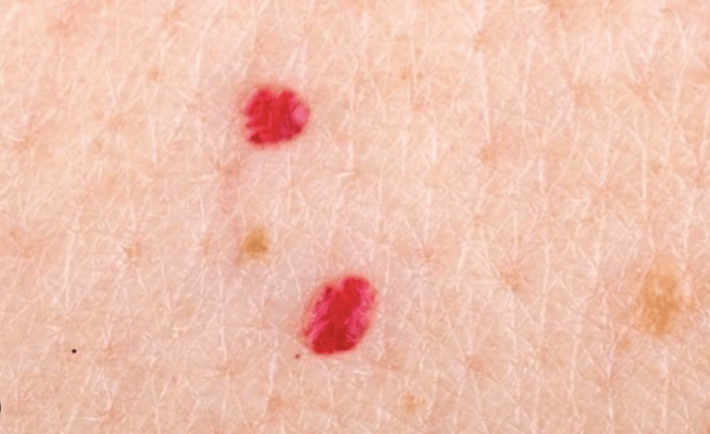
What are small red skin bumps from?
Mystery skin issues can leave you frustrated. Using a strategic food based approach can clear things up without having to go to the dermatologist.

The day I noticed that I had tiny little red bumps all over my skin (cherry angiomas) is etched in my memory. I thought to myself “This is gross and concerning at the same time. I am pretty sure these are something my grandfather had and they are everywhere…..why????”
Of course I went down the rabbit hole of trying to find out what they could be from, since I personally don't let “genetics” be an excuse for much of anything.
The conclusion? Blood sugar imbalances, NAFLD / liver sluggishness, or possibly mold toxicity. Well dang.
So not only was my healthy eating and lifestyle seemingly not working, now I was worrying about my liver and the damage that was happening from possible mycotoxins. Awesome.
Fast forward a few months, I was gearing up for knee surgery. My mind was on a swift recovery and figuring out my next moves for detoxing/liver support.
Enter KETOSIS, what I call the “Swiss army knife of dietary approaches.”
It hit me that by getting into ketosis I could address all of my issues without taking a ton of supplements or going on an extreme cleanse. I just had to adjust my diet.
How is this possible?
In ketosis, when your body is burning fat as fuel and using ketones for energy, some pretty magical things happen:
Autophagy increases (this is how the body cleans itself up, the “bad” cells eat themselves, literally!!)
Inflammation and blood sugar levels decrease
The liver is freed up to detox more! (it no longer has to constantly regulate your blood sugar and has more mitochondrial energy to detox)
Water is moved out of the body more efficiently, helping open up drainage pathways for more efficient detoxing.
YAAAS! The body has a self-healing, self-cleaning, reverse aging potential that is built in. Not 👏🏻 even👏🏻 kidding👏🏻.
So now that I have been doing ketosis with carb cycling, I am happy to report that my cherry angiomas are 75% gone!! I give the credit to my commitment to ketosis and fasting.
Ketosis allows cells to self-dissolve things like moles, angiomas, milia, skin tags & more
My KetobyCarli class will help you turn your health around, away from mystery skin issues and disease onset. And the best part is you get to just use the power of FOOD.
Carli created WELLNESS BY CARLI to combine her love of real food with her knowledge of functional medicine. These article are to share what she has learned to hopefully help you heal and feel your best!
-
April 2025
- Apr 29, 2025 Peptides 101: What They Are and Why Your Body Loves Them Apr 29, 2025
- Apr 21, 2025 From Burnout to Balance: Resetting Your Nervous System for Optimal Health Apr 21, 2025
- Apr 21, 2025 The HPA Axis: Your Body’s Stress Symphony (and How to Keep It in Harmony) By Carli Kilgore Apr 21, 2025
- Apr 11, 2025 The Stress Response: Your Body’s Alarm System (And How to Make Peace With It) Apr 11, 2025
-
February 2025
- Feb 28, 2025 The Copper IUD: A Holistic Perspective on Health Implications Feb 28, 2025
- Feb 13, 2025 Nebulizing for Mold Detox: A Powerful Tool for Recovery Feb 13, 2025
-
December 2024
- Dec 12, 2024 11 Must-Have Natural Supplements for Cold + Flu Season Dec 12, 2024
- Dec 11, 2024 Uncovering the Root of Your Health Issues: Why Deeper Healing is the Key to Lasting Wellness Dec 11, 2024
- Dec 6, 2024 Winter Wellness Cheat Sheet: Beat Colds Before They Beat You Dec 6, 2024
- Dec 4, 2024 Wellness Wishlist: Your Guide to Thoughtful, Healthful Gifts Dec 4, 2024
-
November 2024
- Nov 18, 2024 10 Tips for Staying Healthy (and Happy!) During the Holiday Season Nov 18, 2024
- Nov 18, 2024 Staying on Track While Traveling: Tips for Wellness on the Go ✈🌿 Nov 18, 2024
- Nov 7, 2024 The Hidden Connection Between Parasites and Your Energy Field Nov 7, 2024
- Nov 7, 2024 5 Myths About PCOS — Debunked! Understanding the truth about Polycystic Ovary Syndrome (PCOS) Nov 7, 2024
- Nov 7, 2024 PCOS Symptoms You Might Be Overlooking: Recognizing the Subtle Signs Nov 7, 2024
- Nov 7, 2024 Set an Intention + Plan Your Success: Your Personal Roadmap to Wellness Nov 7, 2024
- Nov 7, 2024 What You Should Know About Doing a Parasite Cleanse Nov 7, 2024
-
October 2024
- Oct 24, 2024 The Power of Meditation: Unlocking Inner Peace and Wellness Oct 24, 2024
- Oct 24, 2024 Latest in Cancer Research: Aspirin Cuts Colorectal Cancer Risk! Oct 24, 2024
- Oct 24, 2024 How Much Should You Really Eat? A Real, Honest Look at Finding Balance Oct 24, 2024
- Oct 23, 2024 How to Get a Good Night’s Sleep: A Quantum Biology Approach to Restful Nights Oct 23, 2024
- Oct 18, 2024 How the Ketogenic Diet Affects Your Gut Health Oct 18, 2024
- Oct 14, 2024 5 Supportive Ideas for Managing PCOS: Addressing Autophagy, Ketosis, and Carb Cycling Oct 14, 2024
- Oct 11, 2024 The Healing Power of Nature: Embracing the Benefits of the Great Outdoors Oct 11, 2024
- Oct 11, 2024 Aspirin and Vitamin C as Cancer Therapy: New Insights from a Recent Study Oct 11, 2024
- Oct 4, 2024 The Importance of Natural Sunlight for Hormonal Balance Oct 4, 2024
- Oct 4, 2024 Why is it Important to Do a Parasite Cleanse? Oct 4, 2024
-
September 2024
- Sep 20, 2024 MOLD TOXICITY + NATURAL HEALING IN HOUSTON, TX (Copy) Sep 20, 2024
-
February 2024
- Feb 17, 2024 What are small red skin bumps from? Feb 17, 2024
-
June 2023
- Jun 23, 2023 Is your nervous system preventing you from healing? Jun 23, 2023
-
May 2023
- May 30, 2023 Quench Your Thirst: Unlocking the Power of Hydration May 30, 2023
-
February 2023
- Feb 23, 2023 Ketosis 101 + My Keto Story Feb 23, 2023
-
July 2022
- Jul 7, 2022 Pro-Metabolic Eating to Boost Your Metabolism Jul 7, 2022
-
January 2020
- Jan 5, 2020 Why is it so important to Detox? Jan 5, 2020
-
April 2019
- Apr 26, 2019 Having Anxiety? Skip the Caffeine. Apr 26, 2019
-
November 2018
- Nov 25, 2018 Adaptogens: Why you need these now. Nov 25, 2018
-
July 2018
- Jul 5, 2018 Are you having trouble sleeping? Jul 5, 2018
-
November 2017
- Nov 10, 2017 Supplements during Pregnancy--are they safe? Nov 10, 2017
-
September 2017
- Sep 28, 2017 Carbohydrate Needs During Pregnancy + 5 Tips to Balance Blood Sugar Sep 28, 2017
-
August 2017
- Aug 15, 2017 Boost Brain Power! Aug 15, 2017

Is your nervous system preventing you from healing?
This blog is an excerpt from my Sacred Wellness Foundations class and touches on the functional importance of calming the nervous system

In the world that we are living in, stress has become a constant companion for many of us. Whether it's due to world events, work pressure, money, family issues or unexpected events, chronic stress triggers the body's natural response known as “fight, flight or freeze.” Although this innate survival mechanism is crucial in life-threatening situations, it can hinder the healing process if activated continuously. Understanding the impact of “fight or flight” on our ability to heal is essential for achieving optimal well-being.
The Subconscious Mind's Role in Healing:
To really understand the connection between the fight/flight/freeze response and healing, we must explore the subconscious mind. This powerful aspect of our psyche influences our behaviors, emotions, and physical well-being. When we experience chronic stress, the subconscious mind perceives it as an ongoing threat, triggering the stress response. In this state, the body prioritizes survival mechanisms over healing processes, redirecting energy and resources away from restoring balance and rejuvenating the body.
This core issue may be the single reason you are not seeing progress in your healing journey.
Our breathing becomes shallow, glucose is released into the blood, the hormones cortisol and adrenaline increase, and digestive function slows dramatically. To prevent these responses, we need to learn to calm ourselves down in traffic, when dealing with chaos at home and retrain how we think about things moment to moment. Otherwise, our system will constantly feel under attack and will be working against us, instead of for us.
So what are 3 ways to train and soothe our nervous system?
Deep Breathing and Mindful Practices:
One of the simplest and most effective ways to calm the nervous system is through deep breathing and mindful practices. By consciously slowing down and deepening our breaths, we activate the body's relaxation response, known as the parasympathetic nervous system. This response counteracts the fight or flight mode, signaling the body that it is safe to heal. Engaging in activities such as meditation, yoga, or tai chi can further enhance the relaxation response and promote overall well-being.
Brain Retraining with Hypnosis:
Harnessing the power of the subconscious mind, hypnosis offers a valuable tool for calming the nervous system and facilitating healing. Through hypnosis, individuals can create theta brain waves and access the subconscious mind directly, allowing for positive suggestions and imagery to be imprinted on a deeper level. This process helps reframe stress responses, reduce anxiety, and promote a state of deep relaxation. By retraining the brain's response to stressors, hypnosis empowers individuals to overcome the fight or flight mode and embrace healing.
Cold Water Face Immersion:
While it may seem unconventional, immersing your face in cold water can have an immediate calming effect on the nervous system. This technique stimulates the mammalian dive reflex, a natural response triggered by the face's contact with cold water. The dive reflex activates the parasympathetic nervous system, slowing down the heart rate and lowering blood pressure. This physiological response induces a sense of calmness, reducing the fight or flight response and creating a conducive environment for healing. And the best part? Its completely free and easy to do at home.
I have seen it so many times in my practice. Clients are responding to treatment and they swear they are eating right and taking their supplements. 9/10 what is happenings is the fight or flight response, triggered by chronic stress, is hindering the healing process by diverting the body's resources away from restoration and rejuvenation. However, by understanding the role of the subconscious mind and implementing effective techniques to calm the nervous system, clients can overcome this obstacle and support their healing journey. Deep breathing and mindful practices, brain retraining through hypnosis, and cold water face immersion are just three of the many powerful methods to counteract the fight or flight response and promote healing. Embracing these techniques empowers individuals to cultivate a state of relaxation and well-being, allowing their bodies to heal naturally and holistically. Remember, true healing begins when the mind and body are in harmony.
If you are curious about how to start nourishing your nervous system and start a step by step program towards healing, be sure you check out my Sacred Wellness Foundations class. The entire 2nd Module is dedicated to “Creating a Healing Environment” for the body and it includes everything you need to know to get your body out of fight or flight. It also includes a custom hypnotic track that I had made just for this class by world renowned hypnosis or Oracle CEO, Nathaly Granja.

Carli created WELLNESS BY CARLI to combine her love of real food with her knowledge of functional medicine. These article are to share what she has learned to hopefully help you heal and feel your best!
-
April 2025
- Apr 29, 2025 Peptides 101: What They Are and Why Your Body Loves Them Apr 29, 2025
- Apr 21, 2025 From Burnout to Balance: Resetting Your Nervous System for Optimal Health Apr 21, 2025
- Apr 21, 2025 The HPA Axis: Your Body’s Stress Symphony (and How to Keep It in Harmony) By Carli Kilgore Apr 21, 2025
- Apr 11, 2025 The Stress Response: Your Body’s Alarm System (And How to Make Peace With It) Apr 11, 2025
-
February 2025
- Feb 28, 2025 The Copper IUD: A Holistic Perspective on Health Implications Feb 28, 2025
- Feb 13, 2025 Nebulizing for Mold Detox: A Powerful Tool for Recovery Feb 13, 2025
-
December 2024
- Dec 12, 2024 11 Must-Have Natural Supplements for Cold + Flu Season Dec 12, 2024
- Dec 11, 2024 Uncovering the Root of Your Health Issues: Why Deeper Healing is the Key to Lasting Wellness Dec 11, 2024
- Dec 6, 2024 Winter Wellness Cheat Sheet: Beat Colds Before They Beat You Dec 6, 2024
- Dec 4, 2024 Wellness Wishlist: Your Guide to Thoughtful, Healthful Gifts Dec 4, 2024
-
November 2024
- Nov 18, 2024 10 Tips for Staying Healthy (and Happy!) During the Holiday Season Nov 18, 2024
- Nov 18, 2024 Staying on Track While Traveling: Tips for Wellness on the Go ✈🌿 Nov 18, 2024
- Nov 7, 2024 The Hidden Connection Between Parasites and Your Energy Field Nov 7, 2024
- Nov 7, 2024 5 Myths About PCOS — Debunked! Understanding the truth about Polycystic Ovary Syndrome (PCOS) Nov 7, 2024
- Nov 7, 2024 PCOS Symptoms You Might Be Overlooking: Recognizing the Subtle Signs Nov 7, 2024
- Nov 7, 2024 Set an Intention + Plan Your Success: Your Personal Roadmap to Wellness Nov 7, 2024
- Nov 7, 2024 What You Should Know About Doing a Parasite Cleanse Nov 7, 2024
-
October 2024
- Oct 24, 2024 The Power of Meditation: Unlocking Inner Peace and Wellness Oct 24, 2024
- Oct 24, 2024 Latest in Cancer Research: Aspirin Cuts Colorectal Cancer Risk! Oct 24, 2024
- Oct 24, 2024 How Much Should You Really Eat? A Real, Honest Look at Finding Balance Oct 24, 2024
- Oct 23, 2024 How to Get a Good Night’s Sleep: A Quantum Biology Approach to Restful Nights Oct 23, 2024
- Oct 18, 2024 How the Ketogenic Diet Affects Your Gut Health Oct 18, 2024
- Oct 14, 2024 5 Supportive Ideas for Managing PCOS: Addressing Autophagy, Ketosis, and Carb Cycling Oct 14, 2024
- Oct 11, 2024 The Healing Power of Nature: Embracing the Benefits of the Great Outdoors Oct 11, 2024
- Oct 11, 2024 Aspirin and Vitamin C as Cancer Therapy: New Insights from a Recent Study Oct 11, 2024
- Oct 4, 2024 The Importance of Natural Sunlight for Hormonal Balance Oct 4, 2024
- Oct 4, 2024 Why is it Important to Do a Parasite Cleanse? Oct 4, 2024
-
September 2024
- Sep 20, 2024 MOLD TOXICITY + NATURAL HEALING IN HOUSTON, TX (Copy) Sep 20, 2024
-
February 2024
- Feb 17, 2024 What are small red skin bumps from? Feb 17, 2024
-
June 2023
- Jun 23, 2023 Is your nervous system preventing you from healing? Jun 23, 2023
-
May 2023
- May 30, 2023 Quench Your Thirst: Unlocking the Power of Hydration May 30, 2023
-
February 2023
- Feb 23, 2023 Ketosis 101 + My Keto Story Feb 23, 2023
-
July 2022
- Jul 7, 2022 Pro-Metabolic Eating to Boost Your Metabolism Jul 7, 2022
-
January 2020
- Jan 5, 2020 Why is it so important to Detox? Jan 5, 2020
-
April 2019
- Apr 26, 2019 Having Anxiety? Skip the Caffeine. Apr 26, 2019
-
November 2018
- Nov 25, 2018 Adaptogens: Why you need these now. Nov 25, 2018
-
July 2018
- Jul 5, 2018 Are you having trouble sleeping? Jul 5, 2018
-
November 2017
- Nov 10, 2017 Supplements during Pregnancy--are they safe? Nov 10, 2017
-
September 2017
- Sep 28, 2017 Carbohydrate Needs During Pregnancy + 5 Tips to Balance Blood Sugar Sep 28, 2017
-
August 2017
- Aug 15, 2017 Boost Brain Power! Aug 15, 2017
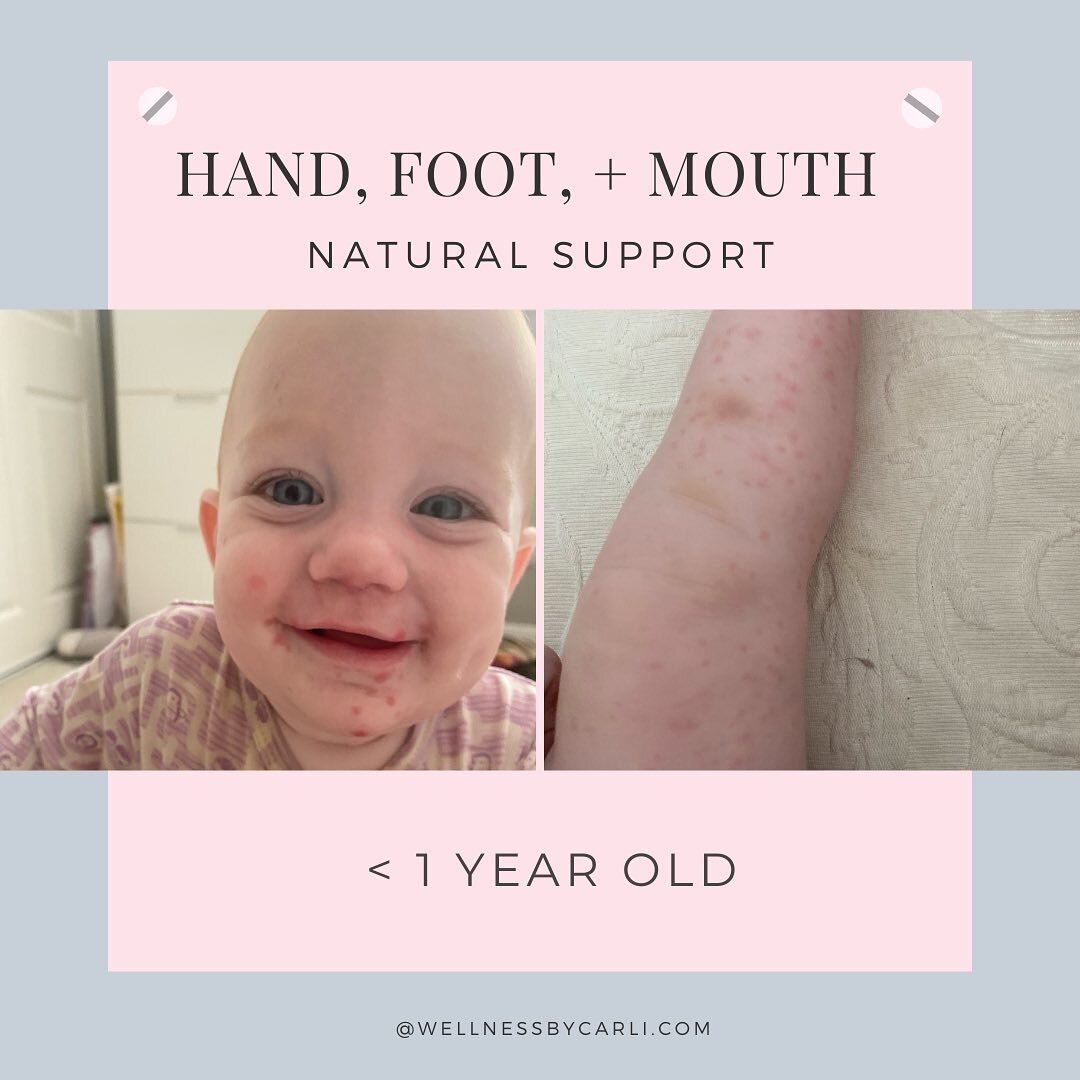
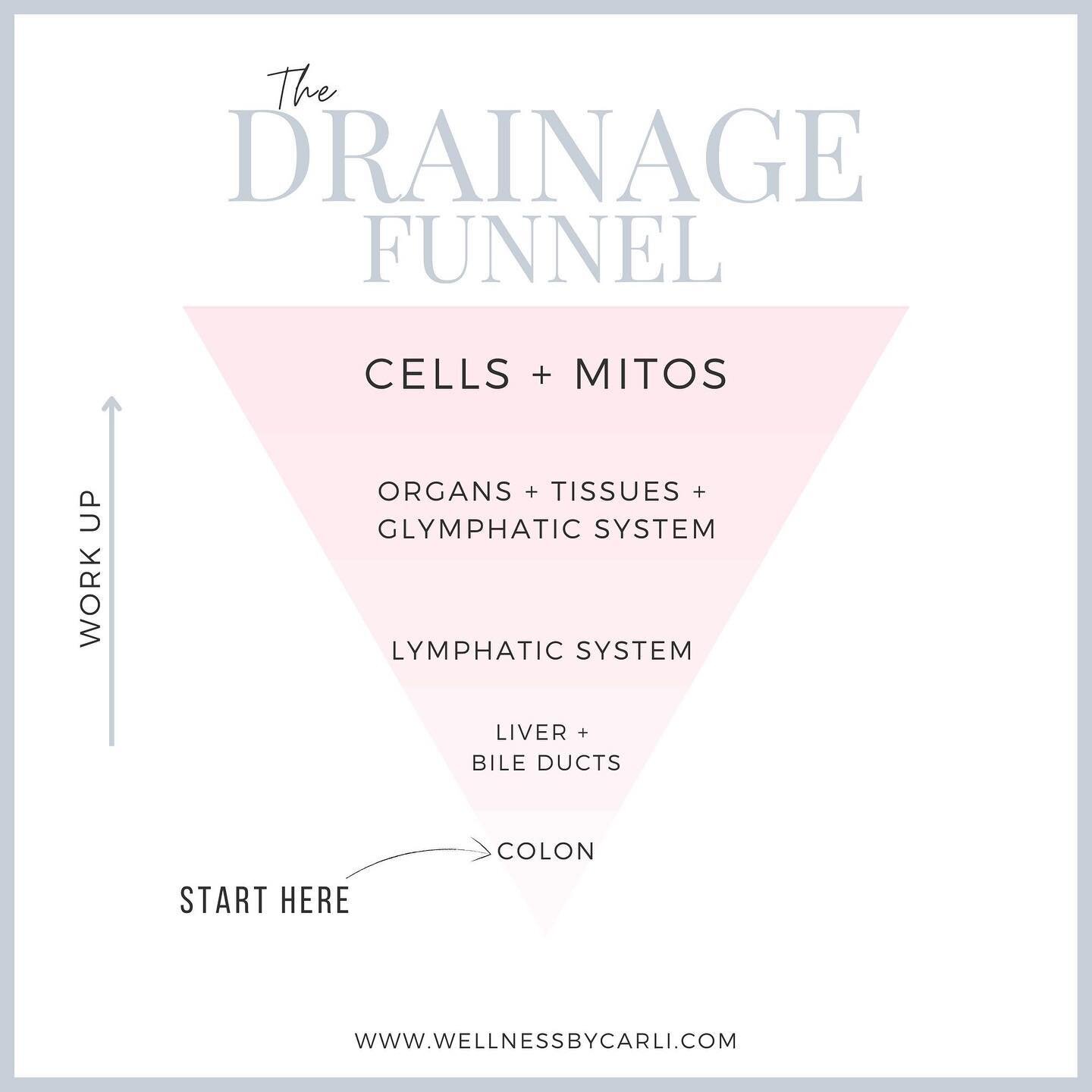






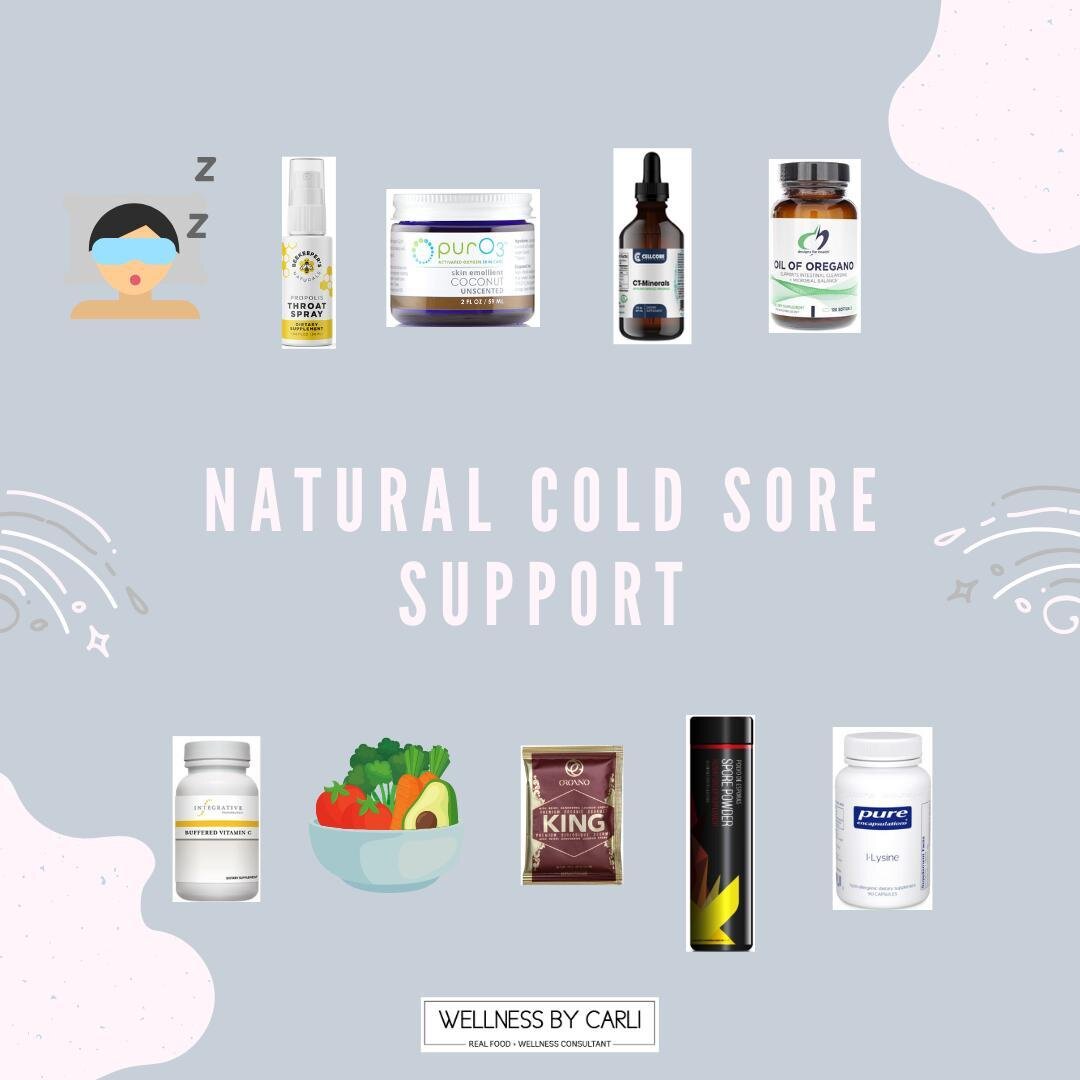

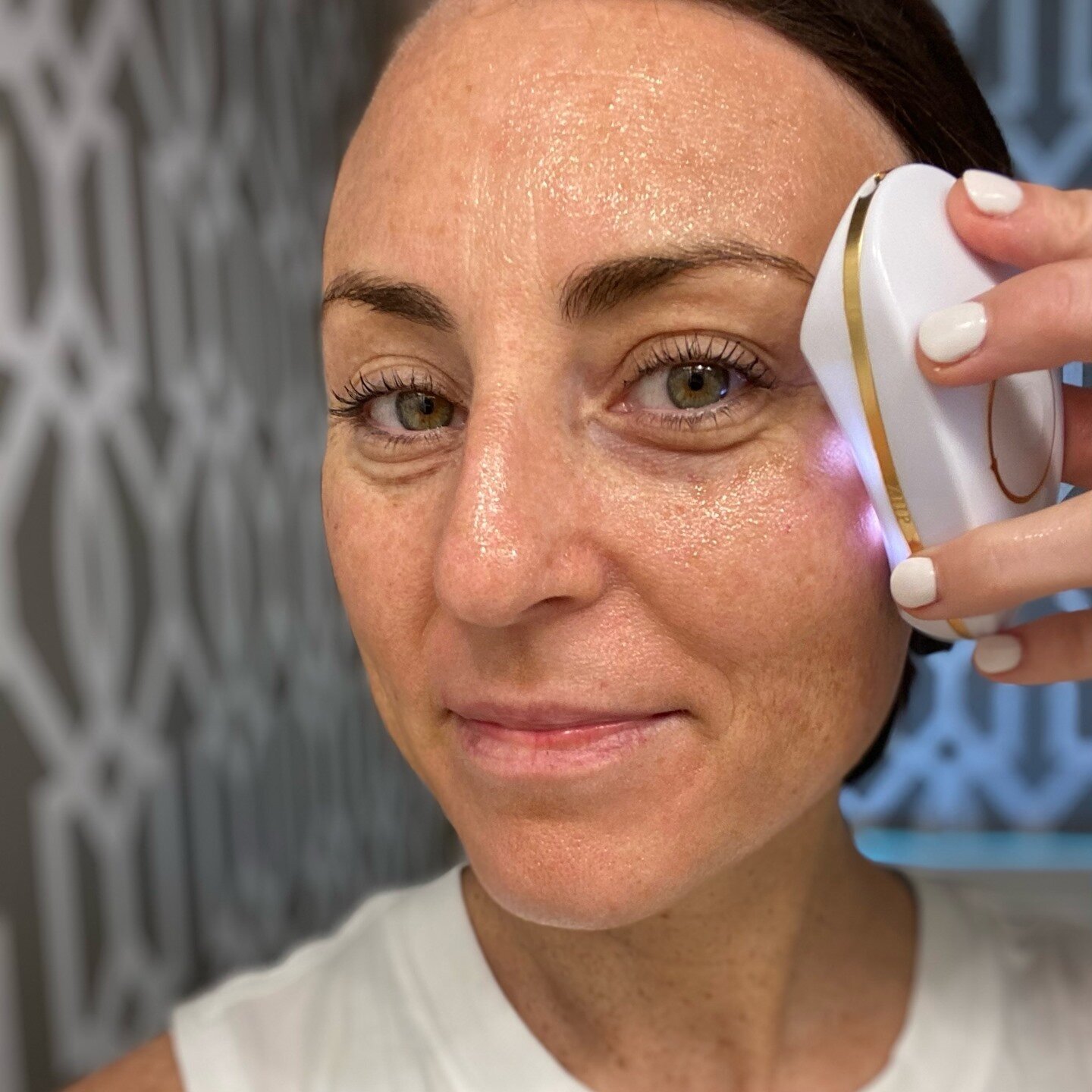

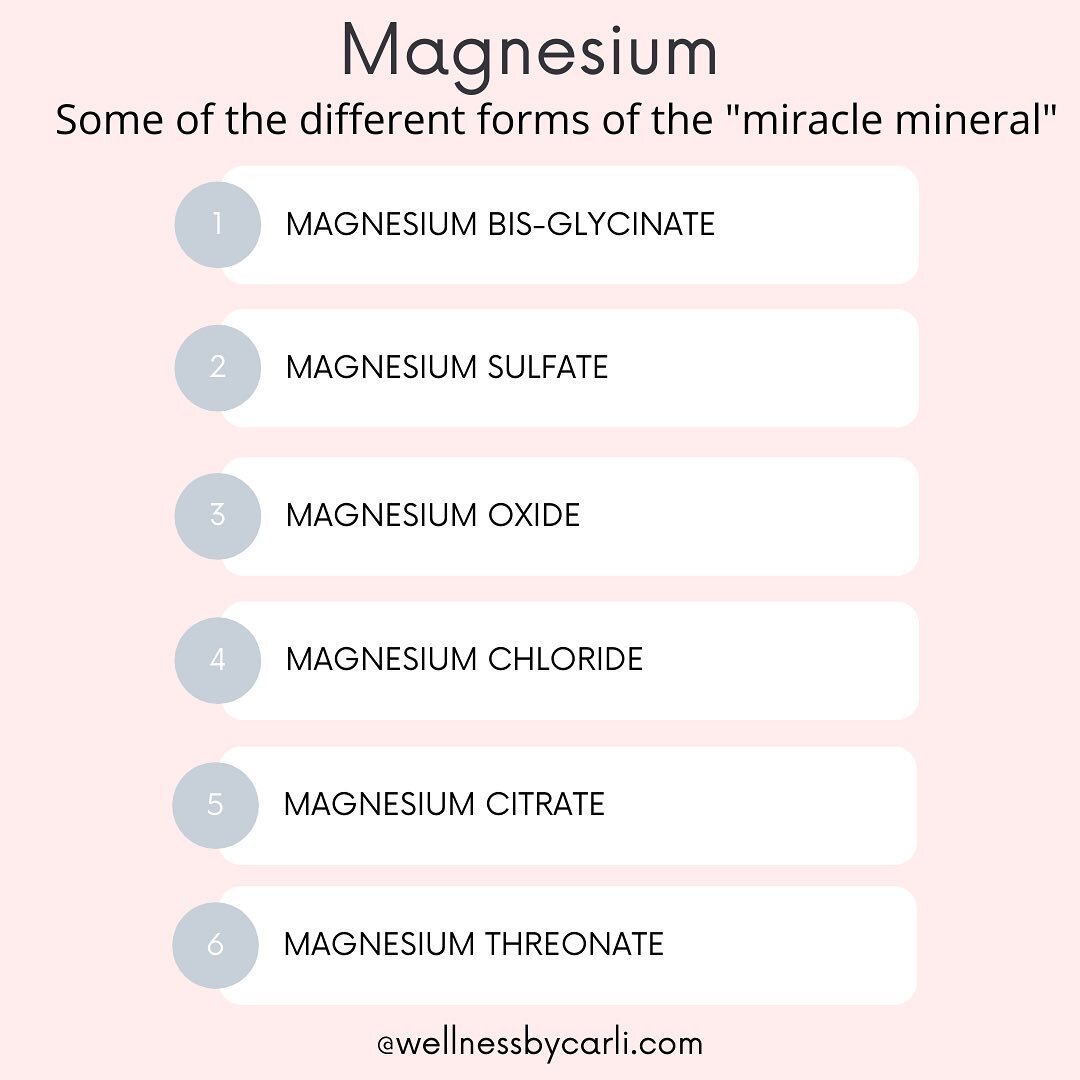

Quench Your Thirst: Unlocking the Power of Hydration
This blog is an excerpt from my Sacred Wellness Foundations class and touches on the functional importance of cellular hydration.

"Water is life's mater and matrix, mother and medium. There is no life without water." - Albert Szent-Györgyi
Water is so much more than we give it credit for. I love this quote because it is a poignant reminder of the fundamental role that water plays in our lives. Despite the vital importance of hydration, it may come as a surprise that a significant percentage of people are chronically dehydrated. According to recent studies, up to 75% of individuals may not be consuming enough water to meet their body's hydration needs.
Our bodies are composed of roughly 60% water. It’s essential for maintaining proper bodily functions. From regulating body temperature and aiding digestion to lubricating joints and transporting nutrients, water is involved in nearly every aspect of our physiology. Without adequate hydration, our bodies struggle to perform optimally, leading to a cascade of negative effects on our health and well-being.
The Dehydration Dilemma:
Despite the abundant availability of water, dehydration remains a prevalent issue affecting millions worldwide. The modern lifestyle, with its hectic pace and reliance on processed beverages, often leads to insufficient water intake. Additionally, factors such as excessive sweating, high temperatures, and certain medical conditions can further contribute to dehydration.
Alarming statistics reveal that a substantial portion of the population is falling short of their hydration needs. Whether it's due to a lack of awareness, busy schedules, or simply forgetting to drink enough water, the consequences of chronic dehydration are far-reaching.
The Power of Proper Hydration:
With summer's scorching heat approaching, staying hydrated becomes more crucial than ever. And ironically, hydration is not just about drinking more water but instead about strategic functional replenishment.
Proper hydration focuses on the importance of minerals, micro-movements, and the benefits of gel/structured water.
Importance of Minerals in Hydration:
When it comes to effective hydration, minerals and electrolytes play a crucial role in maintaining the delicate balance of fluids within our bodies. While water alone is essential, replenishing the minerals and electrolytes lost through sweating is equally important for optimal hydration. Here are several reasons why minerals and electrolytes are vital components in the hydration process:
· Fluid Balance Regulation: Electrolytes, such as sodium, potassium, magnesium, and calcium, help regulate the balance of fluids both inside and outside our cells. These minerals facilitate the movement of water across cell membranes, ensuring that the right amount of fluid is maintained within each cell. This balance is crucial for various bodily functions, including nerve signaling, muscle contractions, and maintaining blood pressure.
· Enhanced Fluid Absorption: Electrolytes also play a role in improving fluid absorption within the body. When electrolyte concentrations are optimal, water absorption in the gastrointestinal tract is more efficient. This means that the water you consume is more effectively absorbed and utilized by your body, helping to rehydrate you more effectively.
· Electrolyte Replenishment: When we sweat, we lose not only water but also valuable electrolytes. These electrolytes need to be replenished to maintain the body's fluid balance and optimal function. Sodium, in particular, is a key electrolyte lost through sweat and must be replaced to support proper hydration. Without sufficient electrolyte replenishment, the body may struggle to retain water and maintain adequate hydration levels.
· Muscle Function and Energy Production: Electrolytes, especially potassium and magnesium, are vital for proper muscle function and energy production. Potassium helps regulate muscle contractions, preventing cramps and promoting smooth muscle function, while magnesium is essential for energy metabolism and muscle relaxation. Adequate levels of these minerals ensure optimal muscle performance, reducing the risk of muscle fatigue and improving overall physical performance during exercise or physical activity.
· Electrolyte Balance and Hydration Status: Imbalances in electrolyte levels, such as low sodium (hyponatremia) or low potassium (hypokalemia), can affect your body's hydration status. Electrolyte imbalances can lead to issues like water retention, dehydration, or impaired nerve and muscle function. Ensuring a proper balance of electrolytes is essential for maintaining proper hydration levels and supporting overall health.
To replenish electrolytes and maintain optimal hydration, it's important to include mineral-rich foods in your diet. Adding citrus like lemon or lime and a high quality sea salt (crucial Four or Redmond’s) to your water is my favorite way to replenish minerals. Coconut water is another great option as well as fresh fruits and vegetables, such as melon, bananas, oranges, leafy greens, and avocados, which are excellent sources of essential minerals and electrolytes. Additionally, there electrolyte replacement powders available that can help replenish lost electrolytes during intense physical activity or when experiencing excessive sweating. I like the brands Ultima, Metagenics Endura, and LMNT.
Micromovements and Hydration:
What are Micromovements?
Micromovements are tiny, deliberate movements that can be easily integrated into your daily routine. They involve gentle stretching, flexing, and mobilizing different parts of your body. While they may seem insignificant, micromovements can have a profound impact on hydration by promoting blood circulation, stimulating lymphatic flow, and encouraging cellular activity.
Benefits of Micromovements for Hydration:
· Increased Fluid Distribution: Micromovements help distribute fluids throughout your body, ensuring that water is evenly distributed to all cells, tissues, and organs. This improved fluid circulation aids in hydration and supports the optimal functioning of various bodily systems.
· Enhanced Cellular Hydration: By engaging in micromovements, you promote the exchange of fluids within your cells. This process allows water and essential nutrients to enter cells more efficiently while aiding in the removal of waste and toxins. As a result, cellular hydration is enhanced, leading to improved overall hydration levels.
· Lymphatic System Activation: The lymphatic system plays a vital role in maintaining fluid balance and eliminating toxins from the body. Micromovements stimulate the lymphatic system, helping it flush out waste and excess fluids. This not only supports hydration but also boosts immune function and overall well-being.
Incorporating Micromovements into Your Day:
Here are a few simple ways to introduce micromovements into your daily routine:
· Stretch breaks: Take short breaks throughout the day to stretch different muscle groups. Stretch your arms overhead, twist your torso gently, and stretch your legs. These quick stretches can improve blood flow and promote hydration.
· Joint mobilization: Perform small movements to mobilize your joints. Rotate your wrists, flex and extend your fingers, roll your ankles, and gently move your neck from side to side. These movements increase joint lubrication and support fluid distribution.
· Body shakes: Stand up and gently shake your entire body for a few seconds. This movement stimulates blood circulation, lymphatic flow, and overall hydration.
· Desk exercises: If you have a sedentary job, incorporate simple exercises at your desk. Try ankle circles, shoulder rolls, or seated twists to keep your body moving and promote hydration.
Remember, consistency is key when it comes to micromovements. Aim to incorporate these small movements throughout your day, especially during long periods of sitting or inactivity. By incorporating these small, intentional movements into your daily routine, you can enhance fluid distribution, promote cellular hydration, and stimulate the lymphatic system.
Gel/Structured Water for Enhanced Hydration:
Structured water, also known as gel water, is a fascinating concept that holds potential benefits for hydration. Unlike regular water, structured water has a unique molecular arrangement that allows for improved cellular absorption and hydration. The precise organization of water molecules in structured water is believed to enhance its bioavailability and effectiveness in hydrating our cells and tissues. Proponents of structured water suggest that it can promote better nutrient absorption, support detoxification processes, improve cellular communication, and enhance overall hydration at a cellular level. While research on structured water is still emerging, incorporating hydrating foods like fruits and vegetables, which contain structured water, into your diet can be a natural way to experience some of the potential benefits. Additionally, there are devices available that claim to structure water by using specific technologies or geometrical patterns, providing an alternative way to access the potential benefits of structured water. I use the somavedic to structure my water (code CARLI for a 15% discount). It's important to note that scientific consensus and further research are needed to fully understand the extent of structured water's benefits, but it remains an intriguing area of exploration for those interested in optimizing their hydration practices.
Watermelon Salt Homemade Popsicles: A Fun Way to Keep Kids Hydrated:
Ensuring kids stay hydrated during the summer months can be challenging. However, making homemade popsicles is an excellent way to incorporate hydration while also offering a tasty treat. Here's a simple recipe to get you started:
Ingredients:
Fresh watermelon, seeds removed
Lime juice (1 lime)
Sprinkle of sea salt (I like Redmond’s)
Popsicle molds
Popsicle sticks
Instructions:
Blend the watermelon + lime juice in a blender. Pour the blended juice into the popsicle molds, leaving a little space at the top.
Insert the popsicle sticks into the molds.
Place the molds in the freezer and allow them to freeze completely, usually taking 4-6 hours.
Once frozen, remove the popsicles from the molds and enjoy!
By making your own popsicles, you have control over the ingredients, ensuring that your children are enjoying a healthy and hydrating treat. Avoid using sugary juices or artificially flavored options and instead choose homemade fruit purees for maximum nutritional value. You can also add coconut milk for a more hearty treat!
As summer temperatures rise, staying hydrated becomes vital for maintaining overall health and well-being. Remember to drink water regularly, replenish electrolytes with mineral-rich foods, and embrace movement while staying mindful of hydration needs. Additionally, engaging your children in making homemade popsicles is a fantastic way to promote hydration while keeping them refreshed and happy during the summer months. Stay hydrated and enjoy a vibrant and energized summer season!
**For more information like this, check out my Sacred Wellness Foundations Virtual class and learn to heal yourself through the power of lifestyle medicine.
Carli created WELLNESS BY CARLI to combine her love of real food with her knowledge of functional medicine. These article are to share what she has learned to hopefully help you heal and feel your best!
-
April 2025
- Apr 29, 2025 Peptides 101: What They Are and Why Your Body Loves Them Apr 29, 2025
- Apr 21, 2025 From Burnout to Balance: Resetting Your Nervous System for Optimal Health Apr 21, 2025
- Apr 21, 2025 The HPA Axis: Your Body’s Stress Symphony (and How to Keep It in Harmony) By Carli Kilgore Apr 21, 2025
- Apr 11, 2025 The Stress Response: Your Body’s Alarm System (And How to Make Peace With It) Apr 11, 2025
-
February 2025
- Feb 28, 2025 The Copper IUD: A Holistic Perspective on Health Implications Feb 28, 2025
- Feb 13, 2025 Nebulizing for Mold Detox: A Powerful Tool for Recovery Feb 13, 2025
-
December 2024
- Dec 12, 2024 11 Must-Have Natural Supplements for Cold + Flu Season Dec 12, 2024
- Dec 11, 2024 Uncovering the Root of Your Health Issues: Why Deeper Healing is the Key to Lasting Wellness Dec 11, 2024
- Dec 6, 2024 Winter Wellness Cheat Sheet: Beat Colds Before They Beat You Dec 6, 2024
- Dec 4, 2024 Wellness Wishlist: Your Guide to Thoughtful, Healthful Gifts Dec 4, 2024
-
November 2024
- Nov 18, 2024 10 Tips for Staying Healthy (and Happy!) During the Holiday Season Nov 18, 2024
- Nov 18, 2024 Staying on Track While Traveling: Tips for Wellness on the Go ✈🌿 Nov 18, 2024
- Nov 7, 2024 The Hidden Connection Between Parasites and Your Energy Field Nov 7, 2024
- Nov 7, 2024 5 Myths About PCOS — Debunked! Understanding the truth about Polycystic Ovary Syndrome (PCOS) Nov 7, 2024
- Nov 7, 2024 PCOS Symptoms You Might Be Overlooking: Recognizing the Subtle Signs Nov 7, 2024
- Nov 7, 2024 Set an Intention + Plan Your Success: Your Personal Roadmap to Wellness Nov 7, 2024
- Nov 7, 2024 What You Should Know About Doing a Parasite Cleanse Nov 7, 2024
-
October 2024
- Oct 24, 2024 The Power of Meditation: Unlocking Inner Peace and Wellness Oct 24, 2024
- Oct 24, 2024 Latest in Cancer Research: Aspirin Cuts Colorectal Cancer Risk! Oct 24, 2024
- Oct 24, 2024 How Much Should You Really Eat? A Real, Honest Look at Finding Balance Oct 24, 2024
- Oct 23, 2024 How to Get a Good Night’s Sleep: A Quantum Biology Approach to Restful Nights Oct 23, 2024
- Oct 18, 2024 How the Ketogenic Diet Affects Your Gut Health Oct 18, 2024
- Oct 14, 2024 5 Supportive Ideas for Managing PCOS: Addressing Autophagy, Ketosis, and Carb Cycling Oct 14, 2024
- Oct 11, 2024 The Healing Power of Nature: Embracing the Benefits of the Great Outdoors Oct 11, 2024
- Oct 11, 2024 Aspirin and Vitamin C as Cancer Therapy: New Insights from a Recent Study Oct 11, 2024
- Oct 4, 2024 The Importance of Natural Sunlight for Hormonal Balance Oct 4, 2024
- Oct 4, 2024 Why is it Important to Do a Parasite Cleanse? Oct 4, 2024
-
September 2024
- Sep 20, 2024 MOLD TOXICITY + NATURAL HEALING IN HOUSTON, TX (Copy) Sep 20, 2024
-
February 2024
- Feb 17, 2024 What are small red skin bumps from? Feb 17, 2024
-
June 2023
- Jun 23, 2023 Is your nervous system preventing you from healing? Jun 23, 2023
-
May 2023
- May 30, 2023 Quench Your Thirst: Unlocking the Power of Hydration May 30, 2023
-
February 2023
- Feb 23, 2023 Ketosis 101 + My Keto Story Feb 23, 2023
-
July 2022
- Jul 7, 2022 Pro-Metabolic Eating to Boost Your Metabolism Jul 7, 2022
-
January 2020
- Jan 5, 2020 Why is it so important to Detox? Jan 5, 2020
-
April 2019
- Apr 26, 2019 Having Anxiety? Skip the Caffeine. Apr 26, 2019
-
November 2018
- Nov 25, 2018 Adaptogens: Why you need these now. Nov 25, 2018
-
July 2018
- Jul 5, 2018 Are you having trouble sleeping? Jul 5, 2018
-
November 2017
- Nov 10, 2017 Supplements during Pregnancy--are they safe? Nov 10, 2017
-
September 2017
- Sep 28, 2017 Carbohydrate Needs During Pregnancy + 5 Tips to Balance Blood Sugar Sep 28, 2017
-
August 2017
- Aug 15, 2017 Boost Brain Power! Aug 15, 2017
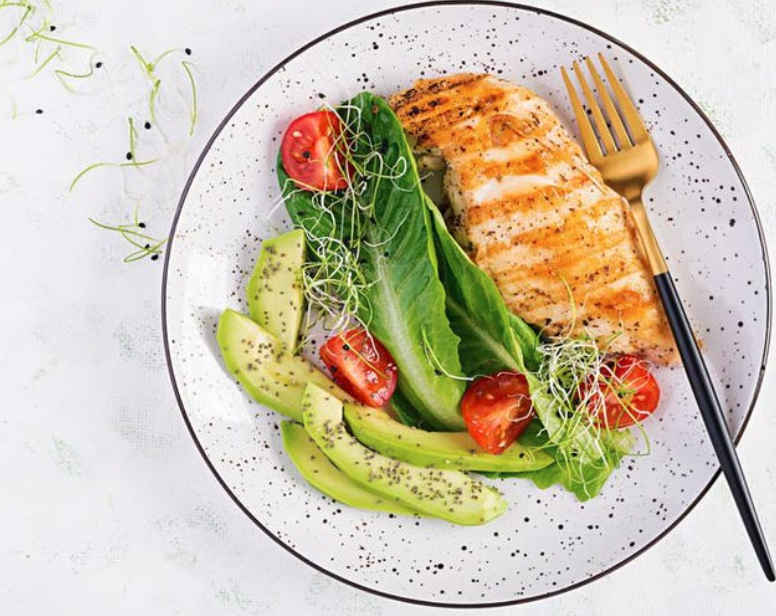
Ketosis 101 + My Keto Story
Keto 101 + my personal Keto Journey

What is Ketosis?
Ketosis is a metabolic state where the body is burning fat for energy instead of glucose (aka sugar). In order to become “fat adapted” and reach metabolic ketosis, you must lower your intake of carbs drastically and eat mostly fat and moderate amounts of protein.
When you avoid eating carbohydrates (fruit, sweeteners, grains etc), your body begins to break down fat for energy. The liver breaks down the fat into fatty acids and glycerol through a process called beta-oxidation. This process produces ketone bodies (acetoacetate, beta-hydroxybutyrate, and acetone).
You can measure the amount of ketones in your blood with a Keto Meter (I use Keto-mojo). Nutritional Ketosis is defined by serum ketone levels that fall between 0.5 to 3.0 mmol.
When broken down, 1 ketone can make 129 ATP (units of energy).
For reference, 1 molecule of glucose can only make 36 units of ATP.
What are the benefits of Ketosis?
Ketosis may not be for everyone, but I have had great success with this approach to eating (I will share more about my story below). The scientific research is extensive and shows that Ketosis can help achieve:
Weight loss (increased fat burn)
Lower apatite + cravings
Improved fertility
Blood sugar balance
Increased energy
Lower cholesterol + blood pressure
Improved digestion
Detoxification (we hold toxins in our fat cells)
Reverse aging (ketosis can help lengthen telomeres)
Improved concentration and memory
Support against epilepsy and cancer
& more
What to expect when trying Keto:
Since your body is going through a complete metabolic shift when entering ketosis, the transition may be uncomfortable at first. Your body is not used to burning fat as fuel, so you may experience some “Keto Flu” type symptoms. These symptoms usually only last a few days up to 2 weeks and include:
Fatigue
Digestive shifts: bloat, loose stools, constipation, cramps
Headaches
Lightheadedness
Bad breath
Intense cravings
Sleeping issues
Feeling weak
Mood swings
Who should avoid Ketosis?
Before starting the ketogenic diet, it’s always best to consult with your physician if you have a history of existing health conditions including diabetes, kidney disease or damage, gallbadder issues, heart problems, or history of battling an eating disorder.
My personal Keto story:
To me the benefits of Ketosis far outweigh the negatives. I also make sure to still enjoy social engagements and cycle my carbs appropriately to be fully enjoying life. The first time I tried ketosis was in 2013. I taught a Keto class at the nutrition practice where I was working and decided to try it for myself. Once I adapted, I was sold. It was the first time since college that I could remember feeling truly fantastic. My energy levels soared, my sleep improved, my cycle regulated and most importantly, the water retention that I was plagued with was finally gone. I used this dietary approach for about a year and it even helped me feel my best for my wedding day. Also, as I mentioned above, Ketosis can drastically improve fertility and I actually wound up getting pregnant 2 months after getting married, without trying to conceive.
Of course, the keto stopped there because I was pregnant. Once my little one arrived I was dealing with a lot of stress of being a depleted first time mom. I had ZERO interest in doing Ketosis again for years. Its worth nothing that it took me much longer to conceive baby #2 not being in Ketosis. Baby #2 was born in Jan 2022. I intentionally took a full year to recover and enjoy postpartum/newborn life. I nourished myself with a pro-metabolic approach and loved it. I was feeling good, but the weight from #2 would not budge and I was also feeling inflamed.
I wound up tearing my meniscus simply getting up off the floor, which likely happened because of the inflammation. So in preparation for a knee surgery, I started doing Keto again to support my recovery. I really believe it helped me bounce back much faster and in the process of healing, the baby weight was finally falling off.
As of now, I have been doing keto again for about 6 weeks and I feel the best I have in a long time. I know this approach is not for everyone, but its truly the most potent food-as-medicine experience I have had personally. My mood is always good, my cycle has re-regulated, my energy is steady, and I finally fit in my pre-baby clothes again.
*There is much more to say on this subject regarding how to do Keto the right way with carb cycling, clean food choices, hydration + electrolytes, supplements, movement etc.
This is why I have launched a LIVE virtual keto class program with weekly Q&A! Be sure to check it out HERE

I also currently work 1:1 with clients in achieving metabolic ketosis in my practice.
Carli created WELLNESS BY CARLI to combine her love of real food with her knowledge of functional medicine. These article are to share what she has learned to hopefully help you heal and feel your best!
Pro-Metabolic Eating to Boost Your Metabolism
My top tips o boost your metabolism with a pro-metabolic diet approach
What is a pro-metabolic diet?
Pro-metabolic eating is simply eating traditional foods that nourish and support the function of your body’s biological systems. The phrase “pro-metabolic diet” is not really ideal since it lends itself to being just another “fad” but this is far from the case. This is a way of eating that is based on what your body needs to thrive, plain and simple.
Since having my second baby, I have really had to work to bounce back. My body was/is depleted and needs significant replenishment. As any new mom knows, there is not a lot of “free time” when you have an infant (and a toddler!) to cook and get creative in the kitchen. There is rarely someone else helping me prepare foods so that I can take time to heal. So every bite I take needs to be extremely efficient and strategic. I need to be eating nutrient dense foods with a purpose.
When I first learned about the Pro-Metabolic approach to nourishment, a lot of bells went off. I felt as though I finally had the full-circle understanding of how to eat for robust health. That is no small statement as I have been studying food and nutrition science for over half of my lifetime. The work of researchers like Dr. Ray Peat, Kate Deering, and Dr. Morley Robbins guided me back to studying the basics of the metabolism and what it needs to thrive. The definition of metabolism is a sum of every metabolic process in your body from detox to digestion to respiration. Eating in a way that supports your metabolism is eating to support your WHOLE body.
So whether you are a new mom like me and you are working to just feel like yourself again, or you just want to feel more vibrant and energetic…these tips will get you started and point you in the right direction.
Tip #1 Eat a combination of protein, carb, and fat within 30-60 minutes of waking up…BEFORE your coffee!
If you are dealing with irregular blood sugar, this tip is crucial for you. You will know that you that your blood sugar is out of balance from certain symptoms like weight loss resistance, getting hangry or shaky between meals, extreme cravings, and disrupted sleep. Fixing these issues starts with the first thing you eat in the morning! I know…this is not want you want to hear. Most people love to wake up and go right to the coffee pot. BUT it will send your stress hormones (adrenaline and cortisol) through the roof and immediately slow down your metabolism. I have personally tested this by taking my temperature and pulse before and after a fasted cup of morning coffee and the results are undeniable. My pulse shot up (indicating stress) and my temperature went down, leaving my hands and feet very cold (indicating slowed fat burn and metabolic rate). So, if you can, eat your breakfast first thing. If you aren’t hungry, have a little snack like fruit and cheese or a little yogurt and honey, then have your coffee. I really dress up my post-breakfast coffee big for balance and additional nourishment: heavy creamer for some fat, maple syrup for carbs and extra minerals, and collagen protein for amino acids and gut health.
FOR MORE TIPS ON BLOOD SUGAR, CHECK OUT MY MINI-EBOOK
TIP #2 Increase mineral intake through Strategic Hydration + Eating More seafood.
Minerals are a HUGE component of a healthy metabolism. Nutrients like magnesium, copper, selenium and calcium are essential for fueling our system and turning food into energy.
HYDRATION
We all know hydration is important especially when its 100 degrees in Texas. But guzzling water without minerals is not helpful and can even be problematic for mineral balance. We need to consume water with minerals to help draw the water INTO the cells so they can be utilized instead of excreted right out. We need to focus on effective hydration with electrolytes and minerals. Drinking plain water can lead to an electrolyte imbalance causing water retention, headaches and other issues including a slow metabolism. Minerals also fuel mitochondria which are the energy factories of the body. If we are lacking minerals, we can feel fatigued and drained. If you look into The Kreb’s Cycle you will learn that it is the biological process in the body that turns glucose (food) into ATP (energy). Minerals are the precursors and co-factors that make this cycle work. Simply put: no minerals = no energy and slow metabolism.
Hydration Check:
You should only be peeing 4-5 times a day
You should not have to get up at night to use the bathroom
Urine should be slightly yellow (not clear!)
You should not feel thirsty all the time
So how do you hydrate properly:
Drink non-water beverages including bone broth, grass-fed milk, mineral rich teas (like nettle) and fruit juice at meal time
Add sea salt to your food and sprinkle in your water (I like the brand Redmond’s)
Drink Mineral Elixirs (Recipes on my free day of eating download)
Make spa water with fruit and/or cucumber infusions
Consume water rich foods like fruit or gazpacho
Use electrolyte sticks like Endura by Metagenics or LMNT
SEAFOOD
Seafood is my other favorite way to get minerals and it truly deserves the protein spotlight. Seafood is shockingly fast to prepare and it is packed with essential minerals that we need to thrive. I personally am partial to shellfish for its nutritional value and convenience. Shrimp, oysters, and scallops are two of my favorite choices. They are high in vitamins A, C, D, and E and B vitamins. They are a great source of B12 which is needed for every metabolic process in the body. They are especially rich in minerals: zinc, copper, selenium, iron, magnesium, sodium and manganese. They are also a great source of selenium which is an important mineral in thyroid activation. Most Americans are deeply deficient in minerals since our soils are so depleted. This means our food simply does not have the mineral content it used to and we need to be intentional about consuming mineral rich foods.
TIP #3 Avoid PUFAS
My final tip for improving your metabolism is to avoid PUFAS (poly-unsaturated fatty acids). Poly means many. The chemical structure of this type of fat has MULTIPLE double bonds that are left unsaturated with hydrogen and therefore the MOST susceptible fats to damage from light, heat, and air. This means PUFAs become rancid very easily. Most PUFAs found in food are completely artificial fats made with modern processing techniques. There are absolutely no PUFA oils that come out of the factories 100% toxin free.
PUFAs are found in some level in most foods but most of them are consumed from grain-fed animals, soybean oil, corn oil, safflower oil, rapeseed oil, sesame seed oil, and nut oils. On top of increasing cellular damage, PUFAs have been found in research to:
slow down nutrient absorption and therefore the entire metabolism
increase the need for vitamin E and B6
accelerate aging and age spots
damage mitochondria
inhibit enzyme function
inhibit thyroid hormone production
Inhibit clot removal
suppress immunity
lower protein absorption
lower general cell adaptability.
I could go on and on but if you want to read more research on the connection between PUFAs and the onset of disease- I have linked an amazing website on The PUFA Project that shares all the studies in one place as well as a great article By Dr. Ray Peat.
A pro-metabolic approach to eating makes food fun again and is actually very liberating. Keep your eye out for the class I will be launching soon for a deep dive into what to eat, how to eat, and how much to eat to boost your metabolism and heal for good.
But what do I eat?
I created a pro-metabolic meal plan to take the guesswork out of planning your nourishment!
Carli created WELLNESS BY CARLI to combine her love of real food with her knowledge of functional medicine. These article are to share what she has learned to hopefully help you heal and feel your best!
Why is it so important to Detox?

A sad truth is that chronic illness is on the rise. Medical diagnoses lead to millions of prescription medications given that in most cases serve to silence symptoms without ever unveiling the true root cause of an imbalance. We can no longer ignore the great toxic burden our bodies are enduring every day and that which are most likely causing many of these chronic diseases.
Sadly, food is our main source of toxicity, since most crops are grown with herbicides and pesticides. Conventionally-raised animals are also making us unwell. Our livestock are being fed GMO-corn, wheat, and soy instead of grass. This makes them sick so they are then treated with antibiotics and hormones and fed over 70% of all antacids produced to help with their acidic stomachs! When we eat meat and dairy products from these sources, we take on their inflammation through bioaccumulation. The quality of the food you eat is paramount to your health.
Toxins, if not safely eliminated, will continue to circulate in the body or be stored in fat cells and tissues, destroying the body from the inside out. By keeping toxic burden low and supporting the body with comprehensive nutritional support, the body will up-regulate its ability to heal and rejuvenate itself, the way it was made to do. A balanced detox approach (with both Phase 1 and Phase 2 support) will protect you from unnecessary cellular damage that mobile toxins can cause and help you continue to function normally in your day-to-day life. This is why a Seasonal Detox Program is one of the most beneficial things we can do to support our system, address imbalances, and prevent disease.
If you already eat mainly organic, that’s a great start. However, there are still other chemical exposures to consider. Almost every material our skin comes in contact with is more heavily sprayed with pesticides than the food we eat! Cotton grown with pesticides, petroleum-based synthetic clothes, bedding, furniture, and other home goods are common sources of toxicity. Beyond fabrics, toxin leaching plastics are everywhere from water bottles to the soles of our shoes! The list goes on and on. All of this adds up to over 6 billion pounds of toxic chemicals being released into the environment every year. You can imagine the toll that all of these substances can take on our systems.
Luckily, the body has a naturally built in detoxification system that can be up-regulated in order to eliminate this toxic load. Detoxing (primarily via the lungs, skin, kidneys and liver) has helped us survive over many, many years. However, we used to not need as much external detox support as we do now. As hunter-gatherers, we would fast or go on long retreats, naturally giving the body and the digestive system a break. During these times without food, the detox organs could focus on eliminating a back-up of trapped toxins. In today’s society however, we are dealing with a largely increased toxic load in combination with an epidemic of nutrient deficiencies. Because of these main factors, we have not been able to evolve as quickly as we would need to keep up with demands. This has led to an epidemic of toxic accumulation in all of us.
Signs and Symptoms you need to detox:
Chronic Fatigue
High or low blood sugar, pre-diabetes
Seasonal allergies
Joint pain
Weight gain /stubborn weight loss
Sensitivity to chemicals
Depression/ Mood imbalances d
Anxiety
Digestive Disorders: IBS (diarrhea, constipation) bloat, gas
Reflux/GERD
Skin issues: dry skin, rashes, eczema, etc
Headaches
Food cravings
Itchy/watery, red eyes
Bad Breath
Body Odor
Insomnia/restless sleep
If any of these resonate with you, a safe, whole food detox is a great place to start.


Carli created WELLNESS BY CARLI to combine her love of real food with her knowledge of functional medicine. These article are to share what she has learned to hopefully help you heal and feel your best!
-
April 2025
- Apr 29, 2025 Peptides 101: What They Are and Why Your Body Loves Them Apr 29, 2025
- Apr 21, 2025 From Burnout to Balance: Resetting Your Nervous System for Optimal Health Apr 21, 2025
- Apr 21, 2025 The HPA Axis: Your Body’s Stress Symphony (and How to Keep It in Harmony) By Carli Kilgore Apr 21, 2025
- Apr 11, 2025 The Stress Response: Your Body’s Alarm System (And How to Make Peace With It) Apr 11, 2025
-
February 2025
- Feb 28, 2025 The Copper IUD: A Holistic Perspective on Health Implications Feb 28, 2025
- Feb 13, 2025 Nebulizing for Mold Detox: A Powerful Tool for Recovery Feb 13, 2025
-
December 2024
- Dec 12, 2024 11 Must-Have Natural Supplements for Cold + Flu Season Dec 12, 2024
- Dec 11, 2024 Uncovering the Root of Your Health Issues: Why Deeper Healing is the Key to Lasting Wellness Dec 11, 2024
- Dec 6, 2024 Winter Wellness Cheat Sheet: Beat Colds Before They Beat You Dec 6, 2024
- Dec 4, 2024 Wellness Wishlist: Your Guide to Thoughtful, Healthful Gifts Dec 4, 2024
-
November 2024
- Nov 18, 2024 10 Tips for Staying Healthy (and Happy!) During the Holiday Season Nov 18, 2024
- Nov 18, 2024 Staying on Track While Traveling: Tips for Wellness on the Go ✈🌿 Nov 18, 2024
- Nov 7, 2024 The Hidden Connection Between Parasites and Your Energy Field Nov 7, 2024
- Nov 7, 2024 5 Myths About PCOS — Debunked! Understanding the truth about Polycystic Ovary Syndrome (PCOS) Nov 7, 2024
- Nov 7, 2024 PCOS Symptoms You Might Be Overlooking: Recognizing the Subtle Signs Nov 7, 2024
- Nov 7, 2024 Set an Intention + Plan Your Success: Your Personal Roadmap to Wellness Nov 7, 2024
- Nov 7, 2024 What You Should Know About Doing a Parasite Cleanse Nov 7, 2024
-
October 2024
- Oct 24, 2024 The Power of Meditation: Unlocking Inner Peace and Wellness Oct 24, 2024
- Oct 24, 2024 Latest in Cancer Research: Aspirin Cuts Colorectal Cancer Risk! Oct 24, 2024
- Oct 24, 2024 How Much Should You Really Eat? A Real, Honest Look at Finding Balance Oct 24, 2024
- Oct 23, 2024 How to Get a Good Night’s Sleep: A Quantum Biology Approach to Restful Nights Oct 23, 2024
- Oct 18, 2024 How the Ketogenic Diet Affects Your Gut Health Oct 18, 2024
- Oct 14, 2024 5 Supportive Ideas for Managing PCOS: Addressing Autophagy, Ketosis, and Carb Cycling Oct 14, 2024
- Oct 11, 2024 The Healing Power of Nature: Embracing the Benefits of the Great Outdoors Oct 11, 2024
- Oct 11, 2024 Aspirin and Vitamin C as Cancer Therapy: New Insights from a Recent Study Oct 11, 2024
- Oct 4, 2024 The Importance of Natural Sunlight for Hormonal Balance Oct 4, 2024
- Oct 4, 2024 Why is it Important to Do a Parasite Cleanse? Oct 4, 2024
-
September 2024
- Sep 20, 2024 MOLD TOXICITY + NATURAL HEALING IN HOUSTON, TX (Copy) Sep 20, 2024
-
February 2024
- Feb 17, 2024 What are small red skin bumps from? Feb 17, 2024
-
June 2023
- Jun 23, 2023 Is your nervous system preventing you from healing? Jun 23, 2023
-
May 2023
- May 30, 2023 Quench Your Thirst: Unlocking the Power of Hydration May 30, 2023
-
February 2023
- Feb 23, 2023 Ketosis 101 + My Keto Story Feb 23, 2023
-
July 2022
- Jul 7, 2022 Pro-Metabolic Eating to Boost Your Metabolism Jul 7, 2022
-
January 2020
- Jan 5, 2020 Why is it so important to Detox? Jan 5, 2020
-
April 2019
- Apr 26, 2019 Having Anxiety? Skip the Caffeine. Apr 26, 2019
-
November 2018
- Nov 25, 2018 Adaptogens: Why you need these now. Nov 25, 2018
-
July 2018
- Jul 5, 2018 Are you having trouble sleeping? Jul 5, 2018
-
November 2017
- Nov 10, 2017 Supplements during Pregnancy--are they safe? Nov 10, 2017
-
September 2017
- Sep 28, 2017 Carbohydrate Needs During Pregnancy + 5 Tips to Balance Blood Sugar Sep 28, 2017
-
August 2017
- Aug 15, 2017 Boost Brain Power! Aug 15, 2017
Having Anxiety? Skip the Caffeine.

This is the LAST thing people want to hear as a solution to any ailment. However, giving up caffeine or at least minimizing intake can drastically lower your anxiety.
Caffeine is anxiogenic, meaning, it induces anxiety. Drinking that double latte will ignite the wreckless “fight or flight” mode we all know so well by telling the adrenal glands to produce more norepinephrine and epinephrine aka adrenaline. It literally stimulates your nervous system (which may already be frail) leading to:
Jitters/Increased heart rate
Adrenal burnout
Insomnia (which can further increase anxiety)
Loose bowels
Diuresis + Dehydration
Moodiness/ Nervousness
and more
If any of these (and many more symptoms) plague you, then consider an easy morning swap! I encourage you all to try an energizing adaptogen blend (think rhodiola, cordyceps, eleuthero, or ginsing) if its that energy pop you are looking for! All of these and more can be found at Sun Potion.
What are coffee alternative to consider?
Herbal Tea like Holy Basil (an adaptogen!)
Hot Water with lemon and ginger (great to combat inflammation and improve digestion)
Mushroom coffee or coco:
If you froth up some almond milk and add a touch of honey, these morning combinations will leave you never missing that coffee!
And for those of you who are not willing to give up the caffeine, try Matcha! This green tea powder can give you energy without the other negative side effects of caffeine and with its EGCG content, can help fight free radical damage! Just be careful, due to its caffeine content it can may induce anxiety.
Be well!
Carli created WELLNESS BY CARLI to combine her love of real food with her knowledge of functional medicine. These article are to share what she has learned to hopefully help you heal and feel your best!
-
April 2025
- Apr 29, 2025 Peptides 101: What They Are and Why Your Body Loves Them Apr 29, 2025
- Apr 21, 2025 From Burnout to Balance: Resetting Your Nervous System for Optimal Health Apr 21, 2025
- Apr 21, 2025 The HPA Axis: Your Body’s Stress Symphony (and How to Keep It in Harmony) By Carli Kilgore Apr 21, 2025
- Apr 11, 2025 The Stress Response: Your Body’s Alarm System (And How to Make Peace With It) Apr 11, 2025
-
February 2025
- Feb 28, 2025 The Copper IUD: A Holistic Perspective on Health Implications Feb 28, 2025
- Feb 13, 2025 Nebulizing for Mold Detox: A Powerful Tool for Recovery Feb 13, 2025
-
December 2024
- Dec 12, 2024 11 Must-Have Natural Supplements for Cold + Flu Season Dec 12, 2024
- Dec 11, 2024 Uncovering the Root of Your Health Issues: Why Deeper Healing is the Key to Lasting Wellness Dec 11, 2024
- Dec 6, 2024 Winter Wellness Cheat Sheet: Beat Colds Before They Beat You Dec 6, 2024
- Dec 4, 2024 Wellness Wishlist: Your Guide to Thoughtful, Healthful Gifts Dec 4, 2024
-
November 2024
- Nov 18, 2024 10 Tips for Staying Healthy (and Happy!) During the Holiday Season Nov 18, 2024
- Nov 18, 2024 Staying on Track While Traveling: Tips for Wellness on the Go ✈🌿 Nov 18, 2024
- Nov 7, 2024 The Hidden Connection Between Parasites and Your Energy Field Nov 7, 2024
- Nov 7, 2024 5 Myths About PCOS — Debunked! Understanding the truth about Polycystic Ovary Syndrome (PCOS) Nov 7, 2024
- Nov 7, 2024 PCOS Symptoms You Might Be Overlooking: Recognizing the Subtle Signs Nov 7, 2024
- Nov 7, 2024 Set an Intention + Plan Your Success: Your Personal Roadmap to Wellness Nov 7, 2024
- Nov 7, 2024 What You Should Know About Doing a Parasite Cleanse Nov 7, 2024
-
October 2024
- Oct 24, 2024 The Power of Meditation: Unlocking Inner Peace and Wellness Oct 24, 2024
- Oct 24, 2024 Latest in Cancer Research: Aspirin Cuts Colorectal Cancer Risk! Oct 24, 2024
- Oct 24, 2024 How Much Should You Really Eat? A Real, Honest Look at Finding Balance Oct 24, 2024
- Oct 23, 2024 How to Get a Good Night’s Sleep: A Quantum Biology Approach to Restful Nights Oct 23, 2024
- Oct 18, 2024 How the Ketogenic Diet Affects Your Gut Health Oct 18, 2024
- Oct 14, 2024 5 Supportive Ideas for Managing PCOS: Addressing Autophagy, Ketosis, and Carb Cycling Oct 14, 2024
- Oct 11, 2024 The Healing Power of Nature: Embracing the Benefits of the Great Outdoors Oct 11, 2024
- Oct 11, 2024 Aspirin and Vitamin C as Cancer Therapy: New Insights from a Recent Study Oct 11, 2024
- Oct 4, 2024 The Importance of Natural Sunlight for Hormonal Balance Oct 4, 2024
- Oct 4, 2024 Why is it Important to Do a Parasite Cleanse? Oct 4, 2024
-
September 2024
- Sep 20, 2024 MOLD TOXICITY + NATURAL HEALING IN HOUSTON, TX (Copy) Sep 20, 2024
-
February 2024
- Feb 17, 2024 What are small red skin bumps from? Feb 17, 2024
-
June 2023
- Jun 23, 2023 Is your nervous system preventing you from healing? Jun 23, 2023
-
May 2023
- May 30, 2023 Quench Your Thirst: Unlocking the Power of Hydration May 30, 2023
-
February 2023
- Feb 23, 2023 Ketosis 101 + My Keto Story Feb 23, 2023
-
July 2022
- Jul 7, 2022 Pro-Metabolic Eating to Boost Your Metabolism Jul 7, 2022
-
January 2020
- Jan 5, 2020 Why is it so important to Detox? Jan 5, 2020
-
April 2019
- Apr 26, 2019 Having Anxiety? Skip the Caffeine. Apr 26, 2019
-
November 2018
- Nov 25, 2018 Adaptogens: Why you need these now. Nov 25, 2018
-
July 2018
- Jul 5, 2018 Are you having trouble sleeping? Jul 5, 2018
-
November 2017
- Nov 10, 2017 Supplements during Pregnancy--are they safe? Nov 10, 2017
-
September 2017
- Sep 28, 2017 Carbohydrate Needs During Pregnancy + 5 Tips to Balance Blood Sugar Sep 28, 2017
-
August 2017
- Aug 15, 2017 Boost Brain Power! Aug 15, 2017
Adaptogens: Why you need these now.
Adaptogens. Why you need these now.

Do you experience?
Fatigue
Mood Imbalances (anxiety, depression, etc)
Lack of motivation
Lack of Focus
Low stamina/endurance
Compromised immune system (get sick often)
Digestive dysfunction (IBS-C, IBS-D, IBD, etc)
Hormonal imbalances
Dry Skin
Nutritional Deficiencies
Thinning Hair
If any of these (any many more symptoms) plague you, then you need to add some Adaptogens to your regimen.
What are adaptogens?
Adaptogens are herbs found in nature that help us adapt to Allostatis, this is the body’s effort to retain homeostatis under prolonged or chronic stress. Adaptogens are botanical interventions that have been used since ancient times to counteract physiological adaptations to the stress response. They support normalization of stress-induced biochemical changes and provide a safe intervention to regain health and balance. Adaptogens provide an elevated stress resistance.
Brief History of Adaptogens:
Adaptogens were first used around 3000 BCE for medicinal purposes by TCM (Traditional Chinese Medicine,) and usually reserved for Chinese Royalty, Also used for Ayervada and later they were used by Vikings and Olympians, due to their ability to oxygenate the blood, increasing energy and stamina for battle and competition.
The term “adaptogen” was discovered in 1940s by a Russian toxicologist and referred to as a substance that “increases the state of non-specific resistance.” They quickly grew in popularity as they were discovered to support a healthy stress response and bolster stress resilience.
What does this mean? I like to think of them as a personal stress thermostat. When your house gets warm, the thermostat makes and adjustment to cool the house down. When the house gets cold, warm air will blow---keeping a constant perfect 71 degrees. Like a thermostat, adaptogens give us what we need. They either lift us up (stimulating) or calm us down.
Why do we need Adaptogens now more than ever?
In 2011, a study showed that 75% of adults experience moderate to high levels of stress and that 54% of people are concerned for the amount of stress in their lives. Where do you think those numbers are today??
Without going into the full details of the Autonomic System (ANS), just know that psychological or physiological stress can have a harsh impact on our entire body leading to an overactive or under-active HPA Axis. Kind of like a domino effect, when individuals experience chronic stress—whether real or perceived, the body thinks its under attack. This level of stress leads to inflammation (which suppresses the immune system) and can easily progress into disease.
COMMON OVERACTIVE STRESS RESPONSE SYMPTOMS:
Easily irritated
Difficulty breathing
Agitation
Insomnia
Anxiety
Intolerant
Difficulty concentrating
COMMON UNDER-ACTIVE STRESS RESPONSE SYMPTOMS:
Fatigue
Poor appetite
Decrease Libido
Hypersomnia
Inflammation
Suicidal thoughts
Low self-esteem
So how do Adaptogens help??
Adaptogens support a healthy stress response and bolster stress resilience. Different adaptogens share similar properties but they differ according to their individual organ system affinities and HPA axis effects. They also are opposite of “an ill for a pill’ as they each have numerous pharmacological effects and indications. Here are just a few things adaptogens provide us:
· Beauty (hair, skin, nails support) + Longevity
· Rich Source of B Vitamins
· Anti-aging support (skin tonic)
· Digestive support
· “Chalcones” which stimulate nerve growth (Great for post-op or neuropathy from chemo or diabetes)
· Can speed up wound healing
· Supports spiritual well being
· Can increase breast milk flow
· Purifies the blood/detox support
Anti-depressant support
Memory Enhancement
· Natural Thyroid Treatment (stimulates T3 and T4 production)
Helps increase “Natural Killer Cell” activity –aka beats pathogens and increases the immune system
· Creates sense of calm
· Suppress angiogenesis---the growth of tumor cells
· Helps balance adrenaline (norepinephrine + epinephrine)
· Indirectly liver support
· Improved Blood Glucose Levels
· Improved cholesterol levels
· Stress reduction
· Hormone balance
· Can help with: asthma, arthritis, chronic fatigue, anemia, infertility, depression, and high blood pressure
So you can see why these can help just about everyone no matter what is ailing them. And just so you know: Adaptogens are just plants and are non toxic, so they are safe for every day use! Adaptogens also work best when taken consistently over time….so bring on the herbs!!
Carli created WELLNESS BY CARLI to combine her love of real food with her knowledge of functional medicine. These article are to share what she has learned to hopefully help you heal and feel your best!
-
April 2025
- Apr 29, 2025 Peptides 101: What They Are and Why Your Body Loves Them Apr 29, 2025
- Apr 21, 2025 From Burnout to Balance: Resetting Your Nervous System for Optimal Health Apr 21, 2025
- Apr 21, 2025 The HPA Axis: Your Body’s Stress Symphony (and How to Keep It in Harmony) By Carli Kilgore Apr 21, 2025
- Apr 11, 2025 The Stress Response: Your Body’s Alarm System (And How to Make Peace With It) Apr 11, 2025
-
February 2025
- Feb 28, 2025 The Copper IUD: A Holistic Perspective on Health Implications Feb 28, 2025
- Feb 13, 2025 Nebulizing for Mold Detox: A Powerful Tool for Recovery Feb 13, 2025
-
December 2024
- Dec 12, 2024 11 Must-Have Natural Supplements for Cold + Flu Season Dec 12, 2024
- Dec 11, 2024 Uncovering the Root of Your Health Issues: Why Deeper Healing is the Key to Lasting Wellness Dec 11, 2024
- Dec 6, 2024 Winter Wellness Cheat Sheet: Beat Colds Before They Beat You Dec 6, 2024
- Dec 4, 2024 Wellness Wishlist: Your Guide to Thoughtful, Healthful Gifts Dec 4, 2024
-
November 2024
- Nov 18, 2024 10 Tips for Staying Healthy (and Happy!) During the Holiday Season Nov 18, 2024
- Nov 18, 2024 Staying on Track While Traveling: Tips for Wellness on the Go ✈🌿 Nov 18, 2024
- Nov 7, 2024 The Hidden Connection Between Parasites and Your Energy Field Nov 7, 2024
- Nov 7, 2024 5 Myths About PCOS — Debunked! Understanding the truth about Polycystic Ovary Syndrome (PCOS) Nov 7, 2024
- Nov 7, 2024 PCOS Symptoms You Might Be Overlooking: Recognizing the Subtle Signs Nov 7, 2024
- Nov 7, 2024 Set an Intention + Plan Your Success: Your Personal Roadmap to Wellness Nov 7, 2024
- Nov 7, 2024 What You Should Know About Doing a Parasite Cleanse Nov 7, 2024
-
October 2024
- Oct 24, 2024 The Power of Meditation: Unlocking Inner Peace and Wellness Oct 24, 2024
- Oct 24, 2024 Latest in Cancer Research: Aspirin Cuts Colorectal Cancer Risk! Oct 24, 2024
- Oct 24, 2024 How Much Should You Really Eat? A Real, Honest Look at Finding Balance Oct 24, 2024
- Oct 23, 2024 How to Get a Good Night’s Sleep: A Quantum Biology Approach to Restful Nights Oct 23, 2024
- Oct 18, 2024 How the Ketogenic Diet Affects Your Gut Health Oct 18, 2024
- Oct 14, 2024 5 Supportive Ideas for Managing PCOS: Addressing Autophagy, Ketosis, and Carb Cycling Oct 14, 2024
- Oct 11, 2024 The Healing Power of Nature: Embracing the Benefits of the Great Outdoors Oct 11, 2024
- Oct 11, 2024 Aspirin and Vitamin C as Cancer Therapy: New Insights from a Recent Study Oct 11, 2024
- Oct 4, 2024 The Importance of Natural Sunlight for Hormonal Balance Oct 4, 2024
- Oct 4, 2024 Why is it Important to Do a Parasite Cleanse? Oct 4, 2024
-
September 2024
- Sep 20, 2024 MOLD TOXICITY + NATURAL HEALING IN HOUSTON, TX (Copy) Sep 20, 2024
-
February 2024
- Feb 17, 2024 What are small red skin bumps from? Feb 17, 2024
-
June 2023
- Jun 23, 2023 Is your nervous system preventing you from healing? Jun 23, 2023
-
May 2023
- May 30, 2023 Quench Your Thirst: Unlocking the Power of Hydration May 30, 2023
-
February 2023
- Feb 23, 2023 Ketosis 101 + My Keto Story Feb 23, 2023
-
July 2022
- Jul 7, 2022 Pro-Metabolic Eating to Boost Your Metabolism Jul 7, 2022
-
January 2020
- Jan 5, 2020 Why is it so important to Detox? Jan 5, 2020
-
April 2019
- Apr 26, 2019 Having Anxiety? Skip the Caffeine. Apr 26, 2019
-
November 2018
- Nov 25, 2018 Adaptogens: Why you need these now. Nov 25, 2018
-
July 2018
- Jul 5, 2018 Are you having trouble sleeping? Jul 5, 2018
-
November 2017
- Nov 10, 2017 Supplements during Pregnancy--are they safe? Nov 10, 2017
-
September 2017
- Sep 28, 2017 Carbohydrate Needs During Pregnancy + 5 Tips to Balance Blood Sugar Sep 28, 2017
-
August 2017
- Aug 15, 2017 Boost Brain Power! Aug 15, 2017

Are you having trouble sleeping?

Do you:
Have a hard time falling asleep?
Can fall asleep easily but then toss and turn all night?
Wake up multiple times throughout the night?
Sleep well but wake up too early and can't fall back asleep?
Think you sleep well, yet wake up tired?
If you answered yes to any of these questions, you may be part of the 30-50% of the population that suffers from either acute or long term insomnia. Lack of sleep is an epidemic and root cause for many mental and physical health issues. While we sleep, our hormones recharge, including those that regulate your hunger (ghrelin and leptin) as well as blood sugar (insulin). This is a time when neurotransmitters are reset, which are pivotal in preventing depression and anxiety. Sleep is also involved in healing and repair of your heart and blood vessels. constantly working to prevent heart disease.
What Causes Insomnia?
Insomnia can be rooted in a host of different issues including:
Looking at blue light screens at night (smart phones, laptops, TVs etc) which can suppress the pineal gland, where melatonin is produced. Melatonin is a beneficial hormone that induces sleep and supports fat burn
Drinking too much caffeine
Drinking too much water after 7 pm (which leads to having to go to the bathroom multiple times through the night)
Not sleeping in a cool enough room
Stress and ruminating thoughts
Irregular sleep and wake routines
Health issues such as digestive imbalances or chronic pain
Sleep apnea or other breathing issues
Certain prescription medications or unsafe supplements that cause increased heart rate, frequent urination at night, etc.

What can you do to improve sleep?
Behavioral and dietary changes as well as taking certain supplements can be very helpful to rewire your system and promote resultful sleep again. These changes are paramount to healing if you are trying to overcome illness, especially auto-immune disease.
Shut down electronics 1-2 hours before bed time
Stop drinking water by 7 pm
Keep a journal bedside to export thoughts and ease the mind
Create a consistant wake and bed time to form habit
Limit caffeine and do not drink after 12pm
Lower the bedroom temperature
Clean up the diet: limit sugar especially before bed. A very low carb and high fat diet like Ketosis also helps to improve sleep by rebalancing neurotransmitters
Eat foods that increase melatonin: tart cherries, turkey, chicken tuna, walnuts, broccoli etc.
Limit or remove alcohol which can disrupt REM cycles
Take quality supplements
What supplements are best?
Below are my favorite sleep support formulas that have proven to help my clients sleep better:
*Note: If purchasing supplements, using a safe dispensary where all formulas are lab tested for quality is ideal.
1. Magnesium: Taking a magnesium supplement, about 400 to 500 milligrams a night before bed, can help you naturally reduce stress and really improve sleep. I recommend magnesium bis-glycinate in order to help relax muscles without causing loose stools.
Top product recommendations: Calm, Cenitol, NeuroMag, Mag Gly
2. Herbal Support: Adaptogens and Nervines are herbs found in nature that help support the HPA axis (stress axis). They can work to calm us down when we are dealing with stress and/or lack of sleep. My favorite sleep related herbs include: skullcap, lemon balm, hops, valerian root, and chamomile, to name a few. I typically suggest using these in compounded formulas to retrain the body to sleep.
Top product recommendations: Benesom, Sleep Factors, Sleep Aide, Stress-Relax Tranquil Sleep, sleep and relax tea
3. Probiotics: Endless amounts of research is being published in support of a healthy microbiome. Since serotonin (a neurotransmitter and precursor to melatonin) is made along the gut from bacteria, we need a plethora of healthy probiotics in order to support deep sleep.
Top product recommendations: Ther-Biotic Complete, UltraFlora Balance , liquid probiotic
4. Vitamin B12 (1500 mcg daily) — Vitamin B12 supports cellular function and a deficiency can cause problems with circadian rhythms.
Top product recommendations: B12 with L-5-MTHF, B12 Lozenges , liquid B12
NOTE: This information is not intended to provide or replace medical advice, nor should it be used to diagnose, treat, cure or prevent disease.
Sign up for FREE for my online dispensary for the highest quality and most safe medical grade supplements.
Carli created WELLNESS BY CARLI to combine her love of real food with her knowledge of functional medicine. These article are to share what she has learned to hopefully help you heal and feel your best!
-
April 2025
- Apr 29, 2025 Peptides 101: What They Are and Why Your Body Loves Them Apr 29, 2025
- Apr 21, 2025 From Burnout to Balance: Resetting Your Nervous System for Optimal Health Apr 21, 2025
- Apr 21, 2025 The HPA Axis: Your Body’s Stress Symphony (and How to Keep It in Harmony) By Carli Kilgore Apr 21, 2025
- Apr 11, 2025 The Stress Response: Your Body’s Alarm System (And How to Make Peace With It) Apr 11, 2025
-
February 2025
- Feb 28, 2025 The Copper IUD: A Holistic Perspective on Health Implications Feb 28, 2025
- Feb 13, 2025 Nebulizing for Mold Detox: A Powerful Tool for Recovery Feb 13, 2025
-
December 2024
- Dec 12, 2024 11 Must-Have Natural Supplements for Cold + Flu Season Dec 12, 2024
- Dec 11, 2024 Uncovering the Root of Your Health Issues: Why Deeper Healing is the Key to Lasting Wellness Dec 11, 2024
- Dec 6, 2024 Winter Wellness Cheat Sheet: Beat Colds Before They Beat You Dec 6, 2024
- Dec 4, 2024 Wellness Wishlist: Your Guide to Thoughtful, Healthful Gifts Dec 4, 2024
-
November 2024
- Nov 18, 2024 10 Tips for Staying Healthy (and Happy!) During the Holiday Season Nov 18, 2024
- Nov 18, 2024 Staying on Track While Traveling: Tips for Wellness on the Go ✈🌿 Nov 18, 2024
- Nov 7, 2024 The Hidden Connection Between Parasites and Your Energy Field Nov 7, 2024
- Nov 7, 2024 5 Myths About PCOS — Debunked! Understanding the truth about Polycystic Ovary Syndrome (PCOS) Nov 7, 2024
- Nov 7, 2024 PCOS Symptoms You Might Be Overlooking: Recognizing the Subtle Signs Nov 7, 2024
- Nov 7, 2024 Set an Intention + Plan Your Success: Your Personal Roadmap to Wellness Nov 7, 2024
- Nov 7, 2024 What You Should Know About Doing a Parasite Cleanse Nov 7, 2024
-
October 2024
- Oct 24, 2024 The Power of Meditation: Unlocking Inner Peace and Wellness Oct 24, 2024
- Oct 24, 2024 Latest in Cancer Research: Aspirin Cuts Colorectal Cancer Risk! Oct 24, 2024
- Oct 24, 2024 How Much Should You Really Eat? A Real, Honest Look at Finding Balance Oct 24, 2024
- Oct 23, 2024 How to Get a Good Night’s Sleep: A Quantum Biology Approach to Restful Nights Oct 23, 2024
- Oct 18, 2024 How the Ketogenic Diet Affects Your Gut Health Oct 18, 2024
- Oct 14, 2024 5 Supportive Ideas for Managing PCOS: Addressing Autophagy, Ketosis, and Carb Cycling Oct 14, 2024
- Oct 11, 2024 The Healing Power of Nature: Embracing the Benefits of the Great Outdoors Oct 11, 2024
- Oct 11, 2024 Aspirin and Vitamin C as Cancer Therapy: New Insights from a Recent Study Oct 11, 2024
- Oct 4, 2024 The Importance of Natural Sunlight for Hormonal Balance Oct 4, 2024
- Oct 4, 2024 Why is it Important to Do a Parasite Cleanse? Oct 4, 2024
-
September 2024
- Sep 20, 2024 MOLD TOXICITY + NATURAL HEALING IN HOUSTON, TX (Copy) Sep 20, 2024
-
February 2024
- Feb 17, 2024 What are small red skin bumps from? Feb 17, 2024
-
June 2023
- Jun 23, 2023 Is your nervous system preventing you from healing? Jun 23, 2023
-
May 2023
- May 30, 2023 Quench Your Thirst: Unlocking the Power of Hydration May 30, 2023
-
February 2023
- Feb 23, 2023 Ketosis 101 + My Keto Story Feb 23, 2023
-
July 2022
- Jul 7, 2022 Pro-Metabolic Eating to Boost Your Metabolism Jul 7, 2022
-
January 2020
- Jan 5, 2020 Why is it so important to Detox? Jan 5, 2020
-
April 2019
- Apr 26, 2019 Having Anxiety? Skip the Caffeine. Apr 26, 2019
-
November 2018
- Nov 25, 2018 Adaptogens: Why you need these now. Nov 25, 2018
-
July 2018
- Jul 5, 2018 Are you having trouble sleeping? Jul 5, 2018
-
November 2017
- Nov 10, 2017 Supplements during Pregnancy--are they safe? Nov 10, 2017
-
September 2017
- Sep 28, 2017 Carbohydrate Needs During Pregnancy + 5 Tips to Balance Blood Sugar Sep 28, 2017
-
August 2017
- Aug 15, 2017 Boost Brain Power! Aug 15, 2017

Supplements during Pregnancy--are they safe?

Are Supplements safe during pregnancy and if so, which ones should you take?
Pregnancy is a critical time for optimizing health and nutrition, both for the mother and her baby. Overall nutritional and caloric needs are greatly increased by pregnancy and breastfeeding. I believe that a pregnancy should be supported first and foremost with a healthy low-stress lifestyle and sound nutrition! With that being said, I also believe that quality supplements can help fill in the gaps of an imperfect diet to support the healthiest pregnancy possible. But please note: You should not take any nutritional supplements or herbal supplements during pregnancy unless directed to do so by your healthcare practitioner.
Before deciding what to supplement with during pregnancy, there are two important factors to know:
1. Other than prenatal vitamins, the majority of supplements will say "not safe for women who are pregnant or nursing" simply due to the fact that we just can’t test them on pregnant women. It is not ethical nor is it safe to to do so there is a narrow range of research on the topic and you want to be very selective about what you take.
2. The quality of supplements available on store shelves can vary widely since they are not regulated by the FDA. Over the past few years there has been a drastic increase in counterfeit supplements on online retailers like Amazon. Temperature controls and expirations dates are often not adhered to, leaving products rancid. It is important to avoid taking potentially harmful vitamins and only use products with reputable manufacturers, who are third part assessed for potency and quality. Visit my online dispensary for the highest quality and most safe medical grade supplements.
With that being said, what is ok to take?
Top nutritional supplements to consider during pregnancy:
1. Organ Supplements
Every pregnant woman should be getting the benefits of nutrient dense foods like organ meats. During the first trimester because of nausea and food aversions, women are not always able to consume the desired number of calories or variety of nutrients. In addition, several nutrients in a good well sourced organ complex have been found to benefit pregnant women who suffer from "morning sickness," including vitamin B6 and vitamin K.
The most important nutrient in an organ complex is folic acid or folate, which reduces the risk of having a child with a birth defect of the brain or spinal cord.
I recommend organ supplements starting the year before becoming pregnant, during pregnancy, and while breastfeeding. This can help produce a healthy baby and benefit the mother through labor, delivery, breastfeeding, and postpartum. Be sure to look for a brand that only uses organic and gras-fed organs and is manufactured without additives and coatings which are commonly found in mainstream prenatal tablets.
2. Probiotic
Endless amounts of research is being published in support of a healthy microbiome. Since mom's bacteria will be passed directly onto the newborn fetus, inoculating the baby during the passage through the birth canal, maintaining healthy flora is of utmost importance. Healthy bacteria will provide the building blocks of the baby's immune system, support healthy digestion (avoid colic!), and prevent cradle cap and other skin issues to name just a few benefits. It is also highly beneficial to take probiotics in order to avoid a positive Group B Strep test which will require IV antibiotics during labor.

3. Cod Liver Oil
Essential Fatty acids in the form of a high quality cod liver oil are paramount for the development of baby's brain and nervous system. EPA + DHA are two of these EFAs that support proper brain development as well as healthy behavior and mood. Low levels of DHA and EPA have been linked to depression and other mental health issues. If you are vegan, you can supplement with algae based omegas as well.
4. Calcium
Most prenatal vitamins do not have much calcium. Calcium is an important mineral to support bone and teeth development. If the baby does not get enough Calcium, it will pull stores from mom which can lead to intense leg cramps and even bone loss. Calcium would be recommended especially for those with osteopenia, osteoporosis, or scoliosis going into pregnancy. Be sure to look for the MCHC form of Calcium, as it is most absorbable.
5. Magnesium
Some of the most common symptoms during pregnancy can be addressed with magnesium: Constipation, which can be very uncomfortable and even lead to incontinence due to the added pressure on the bladder, can be improved with magnesium supplementation. Insomnia, muscle aches, and leg cramps can also be addressed by taking magnesium. Look for the bis-glycinate form of magnesium in order to address symptoms and avoid getting loose stools. Magnesium citrate can be used if addressing constipation but this form can cause some osmotic flushing of the bowel, so be sure to start with a lower dosage.
6. Digestive + Systemic Enzymes
Digestive health is often compromised during pregnancy. Many women experience reflux/GERD, constipation, feeling overly full, and even gallbladder pain from the increased production of estrogen. Digestive support in the form of enzymes during pregnancy can drastically improve digestion and even allow for greater absorption of nutrients for the development of a healthy baby!
In addition, proteolytic or systemic enzymes can improve blood flow and support healthy tissue development. They have been shown to be helpful throughout pregnancy to help prevent recurrent miscarriage due to immunological imbalances.
6. Collagen Protein Powder
Collagen is the protein building block of all your connective tissues, including your bones, muscles, skin, hair, nails and tendons. In fact, about 30% of the protein in our bodies is made of collagen. Collagen production declines with age, making it ever more important to supplement as we age.
When you are pregnant your abdomen and many other parts of your body are going to stretch substantially. Taking collagen can support your skin's elasticity and help to avoid stretch marks as well as support joints that have to adjust to carrying more weight. Collagen can also help your body and skin to recover postpartum and support the development of a healthy and strong amniotic sac!
In addition, collagen can also support a healthy gut, improved digestion, detox pathways.
If you want to know what a balanced day of food looks like to keep blood sugar stable while pregnant, just fill out the info below and I will send you a guide!

Carli created WELLNESS BY CARLI to combine her love of real food with her knowledge of functional nutrition. These article are to share what she has learned to hopefully help you heal and feel your best!
-
April 2025
- Apr 29, 2025 Peptides 101: What They Are and Why Your Body Loves Them Apr 29, 2025
- Apr 21, 2025 From Burnout to Balance: Resetting Your Nervous System for Optimal Health Apr 21, 2025
- Apr 21, 2025 The HPA Axis: Your Body’s Stress Symphony (and How to Keep It in Harmony) By Carli Kilgore Apr 21, 2025
- Apr 11, 2025 The Stress Response: Your Body’s Alarm System (And How to Make Peace With It) Apr 11, 2025
-
February 2025
- Feb 28, 2025 The Copper IUD: A Holistic Perspective on Health Implications Feb 28, 2025
- Feb 13, 2025 Nebulizing for Mold Detox: A Powerful Tool for Recovery Feb 13, 2025
-
December 2024
- Dec 12, 2024 11 Must-Have Natural Supplements for Cold + Flu Season Dec 12, 2024
- Dec 11, 2024 Uncovering the Root of Your Health Issues: Why Deeper Healing is the Key to Lasting Wellness Dec 11, 2024
- Dec 6, 2024 Winter Wellness Cheat Sheet: Beat Colds Before They Beat You Dec 6, 2024
- Dec 4, 2024 Wellness Wishlist: Your Guide to Thoughtful, Healthful Gifts Dec 4, 2024
-
November 2024
- Nov 18, 2024 10 Tips for Staying Healthy (and Happy!) During the Holiday Season Nov 18, 2024
- Nov 18, 2024 Staying on Track While Traveling: Tips for Wellness on the Go ✈🌿 Nov 18, 2024
- Nov 7, 2024 The Hidden Connection Between Parasites and Your Energy Field Nov 7, 2024
- Nov 7, 2024 5 Myths About PCOS — Debunked! Understanding the truth about Polycystic Ovary Syndrome (PCOS) Nov 7, 2024
- Nov 7, 2024 PCOS Symptoms You Might Be Overlooking: Recognizing the Subtle Signs Nov 7, 2024
- Nov 7, 2024 Set an Intention + Plan Your Success: Your Personal Roadmap to Wellness Nov 7, 2024
- Nov 7, 2024 What You Should Know About Doing a Parasite Cleanse Nov 7, 2024
-
October 2024
- Oct 24, 2024 The Power of Meditation: Unlocking Inner Peace and Wellness Oct 24, 2024
- Oct 24, 2024 Latest in Cancer Research: Aspirin Cuts Colorectal Cancer Risk! Oct 24, 2024
- Oct 24, 2024 How Much Should You Really Eat? A Real, Honest Look at Finding Balance Oct 24, 2024
- Oct 23, 2024 How to Get a Good Night’s Sleep: A Quantum Biology Approach to Restful Nights Oct 23, 2024
- Oct 18, 2024 How the Ketogenic Diet Affects Your Gut Health Oct 18, 2024
- Oct 14, 2024 5 Supportive Ideas for Managing PCOS: Addressing Autophagy, Ketosis, and Carb Cycling Oct 14, 2024
- Oct 11, 2024 The Healing Power of Nature: Embracing the Benefits of the Great Outdoors Oct 11, 2024
- Oct 11, 2024 Aspirin and Vitamin C as Cancer Therapy: New Insights from a Recent Study Oct 11, 2024
- Oct 4, 2024 The Importance of Natural Sunlight for Hormonal Balance Oct 4, 2024
- Oct 4, 2024 Why is it Important to Do a Parasite Cleanse? Oct 4, 2024
-
September 2024
- Sep 20, 2024 MOLD TOXICITY + NATURAL HEALING IN HOUSTON, TX (Copy) Sep 20, 2024
-
February 2024
- Feb 17, 2024 What are small red skin bumps from? Feb 17, 2024
-
June 2023
- Jun 23, 2023 Is your nervous system preventing you from healing? Jun 23, 2023
-
May 2023
- May 30, 2023 Quench Your Thirst: Unlocking the Power of Hydration May 30, 2023
-
February 2023
- Feb 23, 2023 Ketosis 101 + My Keto Story Feb 23, 2023
-
July 2022
- Jul 7, 2022 Pro-Metabolic Eating to Boost Your Metabolism Jul 7, 2022
-
January 2020
- Jan 5, 2020 Why is it so important to Detox? Jan 5, 2020
-
April 2019
- Apr 26, 2019 Having Anxiety? Skip the Caffeine. Apr 26, 2019
-
November 2018
- Nov 25, 2018 Adaptogens: Why you need these now. Nov 25, 2018
-
July 2018
- Jul 5, 2018 Are you having trouble sleeping? Jul 5, 2018
-
November 2017
- Nov 10, 2017 Supplements during Pregnancy--are they safe? Nov 10, 2017
-
September 2017
- Sep 28, 2017 Carbohydrate Needs During Pregnancy + 5 Tips to Balance Blood Sugar Sep 28, 2017
-
August 2017
- Aug 15, 2017 Boost Brain Power! Aug 15, 2017
COME SAY HI ON INSTA!

Carbohydrate Needs During Pregnancy + 5 Tips to Balance Blood Sugar

Although I do not claim to be an expert in this topic, I can certainly speak with confidence from my own research and experience what I have found to be true regarding carb intake during pregnancy.
First of all, I think women are often very mislead with the guidelines that have been published regarding ideal carbohydrate intake during pregnancy. Currently, it is recommended pregnant women get 50-60% of their calories from carbohydrates. For an 1800 calorie diet, that is 225-270 g per day or 6 servings PER MEAL! Recommendations for woman diagnosed with Gestational Diabetes, meaning she is having a hard time controlling her blood sugar without the assistance of exogenous insulin, is recommended to consume about 180 g of carbohydrate which is or 4 servings per meal. This may look like 1 apple, 1 piece of bread, 1/2 potato, and 1/2 cup of beans.....all in a single meal, before protein, fat, and vegetables are added. Both of these recommendations are alarmingly high, especially for someone like me who pre-pregnancy was eating a low-carbohydrate diet.
So then if not 60 g per meal, what IS the right amount of carbohydrate for a pregnant woman? The answer unfortunately is not entirely straight forward. First of all, like with all nutritional recommendations, its going to be different for every single person. Everyone has a different tolerance to how much carbohydrate they can consume. The other factor which is not well know is that insulin levels naturally vary from trimester to trimester. In the first trimester, insulin production goes up exponentially in most women, allowing for an easier time processing through higher amounts of carbohydrate than normal. I find this fascinating considering this is the time most women are most often nauseous and have a hard time eating anything other than bread and potato chips, (I know I did), and the body knows to compensate! The first trimester is also the time of highest cell replication, turning the zygote into an embryo, which requires very high levels of glucose and therefore more carbohydrates in the diet.
What is also not well known, is that in the third trimester, many women become insulin resistant as the production of insulin plummets, leading to 20% of women getting Gestational Diabetes (GD). This is also about the time during the pregnancy that the Glucose Tolerance Test (GGT) is often administered. The GGT is the diagnostic test to determine whether a momma has GD or not. A staggering number of women fail the first hour long GGT, which is not surprising considering they are drinking 50 g of straight sugar (along with food dyes and other scary ingredients) at a time when their insulin is lowest!
The most important thing to take away from all of this information about insulin fluctuations and carbohydrate needs, is that intuitive eating is crucial during pregnancy and that you must listen to your body and give it what it needs. An integrative dietitian can help you navigate the waters so you can be confident in your diet that will ultimately help grow your sweet baby!
I can say that from my experience keeping carbs low (about 60-75 grams/day) later in the pregnancy has been advantageous. As someone who pre-pregnancy was eating a Ketogenic diet, I had trained my body to use much less insulin. This lead to an even higher sensativity to carbohydrates in my third trimester as seen by slightly elevated fasting blood glucose levels. Increasing workouts (to burn excess blood sugar) and bringing my carbs a bit lower has made me more energetic and lead to fasting blood sugars in the 70s and 80s.
Please be sure to consult with a dietitian or physician before making any drastic changes to your diet! This information is meant to inform, not to treat or act as medical advice.
Top 5 Tips to Balance Blood Sugar, Naturally!
Always eat carbohydrate foods paired with a fat and or protein
Focus on carbs from whole food sources, ditch the processed foods and added sugars
Eat small meals every 3-4 hours to prevent the liver from dumping additional sugar into the blood stream
Get moving! Walking after meals and resistance training will lower fasting blood sugars
Get more sleep! Lack of sleep can lead to higher blood sugar, more stress, and more cortisol which are not good for the babe!
If you want to know what a balanced day of food looks like to keep blood sugar stable while pregnant, just fill out the info below and I will send you a guide!

Carli created WELLNESS BY CARLI to combine her love of real food with her knowledge of functional medicine. These article are to share what she has learned to hopefully help you heal and feel your best!
-
April 2025
- Apr 29, 2025 Peptides 101: What They Are and Why Your Body Loves Them Apr 29, 2025
- Apr 21, 2025 From Burnout to Balance: Resetting Your Nervous System for Optimal Health Apr 21, 2025
- Apr 21, 2025 The HPA Axis: Your Body’s Stress Symphony (and How to Keep It in Harmony) By Carli Kilgore Apr 21, 2025
- Apr 11, 2025 The Stress Response: Your Body’s Alarm System (And How to Make Peace With It) Apr 11, 2025
-
February 2025
- Feb 28, 2025 The Copper IUD: A Holistic Perspective on Health Implications Feb 28, 2025
- Feb 13, 2025 Nebulizing for Mold Detox: A Powerful Tool for Recovery Feb 13, 2025
-
December 2024
- Dec 12, 2024 11 Must-Have Natural Supplements for Cold + Flu Season Dec 12, 2024
- Dec 11, 2024 Uncovering the Root of Your Health Issues: Why Deeper Healing is the Key to Lasting Wellness Dec 11, 2024
- Dec 6, 2024 Winter Wellness Cheat Sheet: Beat Colds Before They Beat You Dec 6, 2024
- Dec 4, 2024 Wellness Wishlist: Your Guide to Thoughtful, Healthful Gifts Dec 4, 2024
-
November 2024
- Nov 18, 2024 10 Tips for Staying Healthy (and Happy!) During the Holiday Season Nov 18, 2024
- Nov 18, 2024 Staying on Track While Traveling: Tips for Wellness on the Go ✈🌿 Nov 18, 2024
- Nov 7, 2024 The Hidden Connection Between Parasites and Your Energy Field Nov 7, 2024
- Nov 7, 2024 5 Myths About PCOS — Debunked! Understanding the truth about Polycystic Ovary Syndrome (PCOS) Nov 7, 2024
- Nov 7, 2024 PCOS Symptoms You Might Be Overlooking: Recognizing the Subtle Signs Nov 7, 2024
- Nov 7, 2024 Set an Intention + Plan Your Success: Your Personal Roadmap to Wellness Nov 7, 2024
- Nov 7, 2024 What You Should Know About Doing a Parasite Cleanse Nov 7, 2024
-
October 2024
- Oct 24, 2024 The Power of Meditation: Unlocking Inner Peace and Wellness Oct 24, 2024
- Oct 24, 2024 Latest in Cancer Research: Aspirin Cuts Colorectal Cancer Risk! Oct 24, 2024
- Oct 24, 2024 How Much Should You Really Eat? A Real, Honest Look at Finding Balance Oct 24, 2024
- Oct 23, 2024 How to Get a Good Night’s Sleep: A Quantum Biology Approach to Restful Nights Oct 23, 2024
- Oct 18, 2024 How the Ketogenic Diet Affects Your Gut Health Oct 18, 2024
- Oct 14, 2024 5 Supportive Ideas for Managing PCOS: Addressing Autophagy, Ketosis, and Carb Cycling Oct 14, 2024
- Oct 11, 2024 The Healing Power of Nature: Embracing the Benefits of the Great Outdoors Oct 11, 2024
- Oct 11, 2024 Aspirin and Vitamin C as Cancer Therapy: New Insights from a Recent Study Oct 11, 2024
- Oct 4, 2024 The Importance of Natural Sunlight for Hormonal Balance Oct 4, 2024
- Oct 4, 2024 Why is it Important to Do a Parasite Cleanse? Oct 4, 2024
-
September 2024
- Sep 20, 2024 MOLD TOXICITY + NATURAL HEALING IN HOUSTON, TX (Copy) Sep 20, 2024
-
February 2024
- Feb 17, 2024 What are small red skin bumps from? Feb 17, 2024
-
June 2023
- Jun 23, 2023 Is your nervous system preventing you from healing? Jun 23, 2023
-
May 2023
- May 30, 2023 Quench Your Thirst: Unlocking the Power of Hydration May 30, 2023
-
February 2023
- Feb 23, 2023 Ketosis 101 + My Keto Story Feb 23, 2023
-
July 2022
- Jul 7, 2022 Pro-Metabolic Eating to Boost Your Metabolism Jul 7, 2022
-
January 2020
- Jan 5, 2020 Why is it so important to Detox? Jan 5, 2020
-
April 2019
- Apr 26, 2019 Having Anxiety? Skip the Caffeine. Apr 26, 2019
-
November 2018
- Nov 25, 2018 Adaptogens: Why you need these now. Nov 25, 2018
-
July 2018
- Jul 5, 2018 Are you having trouble sleeping? Jul 5, 2018
-
November 2017
- Nov 10, 2017 Supplements during Pregnancy--are they safe? Nov 10, 2017
-
September 2017
- Sep 28, 2017 Carbohydrate Needs During Pregnancy + 5 Tips to Balance Blood Sugar Sep 28, 2017
-
August 2017
- Aug 15, 2017 Boost Brain Power! Aug 15, 2017
COME SAY HI ON INSTA!
Boost Brain Power!

When it comes to cognition, many people are plagued by brain fog, feelings of lassitude, and overall sense of BLAH! What many people don't know is how drastically diet and lifestyle can improve these symptoms and help you get back to feeling vibrant and lucid!
Below are my top factors to Boost your Brain!
Eat more fat + Reduce Carbohydrate intake, especially from processed foods and sugar
Studies show that a diet high in health fats (avocado, coconut oil, grass-fed butter, nuts and seeds) and low in sugar help fight inflammation, a number one cause of brain fog and cognitive decline.
Aim for 90-120 g of carbohydrate per day as a first goal, with carbohydrates coming from whole food, fibrous sources.
Get more sleep!
Inadequate sleep will cause a domino effect of health issues including: fatigue, weight gain (from elevated cortisol), irritability, hormonal imbalance, depression, etc!
Our endocrine system re-sets while we sleep and we burn more fat when we sleep then any other time; adequate sound sleep is a crucial pillar of health.
Aim for 7-8 hours a night and be sure to turn off blue-light devices at least an hour before bed.
Hydrate
A 2013 study printed in the Journal of the Clinical Autonomic Research Society reported that dehydration was one of the most common triggers of brain fog.
Add fruit, herbs, and other flavor enhancers like cucumber to your water to increase electrolytes and help you drink more!
Aim for drinking at least half of your body weight in fluid oz of water (ie 150# woman needs to drink 75 oz/day)
Fight Inflammation (Eliminate food intolerances)
Inflammation is a main culprit for brain fog symptoms and robs you of feeling like yourself! Inflammation is also tied to mental disorders like depression, Alzhemier’s disease, dementia and insomnia.
Eating an array of colorful fruits and vegetables will help increase your intake of anti-oxidants which fight free radical damage and therefor inflammation! Think "eat the rainbow" and ensure at least 4 colors on your plate at each meal
If you suspect food allergies or intolerances, contact us about the MRT test.
Consider L-theanine!
L-Theanine is an amino acid and natural treatment alternative for both ADHD and ADD in children and adults and can help address anxiety, insomnia, depression and more.
L-Theanine increases the production of alpha brain waves, those which promote concentration and state of calm, similar to what we experience in deep meditation
Purchase today from my supplement dispensary
Carli created WELLNESS BY CARLI to combine her love of real food with her knowledge of functional medicine. These article are to share what she has learned to hopefully help you heal and feel your best!
-
April 2025
- Apr 29, 2025 Peptides 101: What They Are and Why Your Body Loves Them Apr 29, 2025
- Apr 21, 2025 From Burnout to Balance: Resetting Your Nervous System for Optimal Health Apr 21, 2025
- Apr 21, 2025 The HPA Axis: Your Body’s Stress Symphony (and How to Keep It in Harmony) By Carli Kilgore Apr 21, 2025
- Apr 11, 2025 The Stress Response: Your Body’s Alarm System (And How to Make Peace With It) Apr 11, 2025
-
February 2025
- Feb 28, 2025 The Copper IUD: A Holistic Perspective on Health Implications Feb 28, 2025
- Feb 13, 2025 Nebulizing for Mold Detox: A Powerful Tool for Recovery Feb 13, 2025
-
December 2024
- Dec 12, 2024 11 Must-Have Natural Supplements for Cold + Flu Season Dec 12, 2024
- Dec 11, 2024 Uncovering the Root of Your Health Issues: Why Deeper Healing is the Key to Lasting Wellness Dec 11, 2024
- Dec 6, 2024 Winter Wellness Cheat Sheet: Beat Colds Before They Beat You Dec 6, 2024
- Dec 4, 2024 Wellness Wishlist: Your Guide to Thoughtful, Healthful Gifts Dec 4, 2024
-
November 2024
- Nov 18, 2024 10 Tips for Staying Healthy (and Happy!) During the Holiday Season Nov 18, 2024
- Nov 18, 2024 Staying on Track While Traveling: Tips for Wellness on the Go ✈🌿 Nov 18, 2024
- Nov 7, 2024 The Hidden Connection Between Parasites and Your Energy Field Nov 7, 2024
- Nov 7, 2024 5 Myths About PCOS — Debunked! Understanding the truth about Polycystic Ovary Syndrome (PCOS) Nov 7, 2024
- Nov 7, 2024 PCOS Symptoms You Might Be Overlooking: Recognizing the Subtle Signs Nov 7, 2024
- Nov 7, 2024 Set an Intention + Plan Your Success: Your Personal Roadmap to Wellness Nov 7, 2024
- Nov 7, 2024 What You Should Know About Doing a Parasite Cleanse Nov 7, 2024
-
October 2024
- Oct 24, 2024 The Power of Meditation: Unlocking Inner Peace and Wellness Oct 24, 2024
- Oct 24, 2024 Latest in Cancer Research: Aspirin Cuts Colorectal Cancer Risk! Oct 24, 2024
- Oct 24, 2024 How Much Should You Really Eat? A Real, Honest Look at Finding Balance Oct 24, 2024
- Oct 23, 2024 How to Get a Good Night’s Sleep: A Quantum Biology Approach to Restful Nights Oct 23, 2024
- Oct 18, 2024 How the Ketogenic Diet Affects Your Gut Health Oct 18, 2024
- Oct 14, 2024 5 Supportive Ideas for Managing PCOS: Addressing Autophagy, Ketosis, and Carb Cycling Oct 14, 2024
- Oct 11, 2024 The Healing Power of Nature: Embracing the Benefits of the Great Outdoors Oct 11, 2024
- Oct 11, 2024 Aspirin and Vitamin C as Cancer Therapy: New Insights from a Recent Study Oct 11, 2024
- Oct 4, 2024 The Importance of Natural Sunlight for Hormonal Balance Oct 4, 2024
- Oct 4, 2024 Why is it Important to Do a Parasite Cleanse? Oct 4, 2024
-
September 2024
- Sep 20, 2024 MOLD TOXICITY + NATURAL HEALING IN HOUSTON, TX (Copy) Sep 20, 2024
-
February 2024
- Feb 17, 2024 What are small red skin bumps from? Feb 17, 2024
-
June 2023
- Jun 23, 2023 Is your nervous system preventing you from healing? Jun 23, 2023
-
May 2023
- May 30, 2023 Quench Your Thirst: Unlocking the Power of Hydration May 30, 2023
-
February 2023
- Feb 23, 2023 Ketosis 101 + My Keto Story Feb 23, 2023
-
July 2022
- Jul 7, 2022 Pro-Metabolic Eating to Boost Your Metabolism Jul 7, 2022
-
January 2020
- Jan 5, 2020 Why is it so important to Detox? Jan 5, 2020
-
April 2019
- Apr 26, 2019 Having Anxiety? Skip the Caffeine. Apr 26, 2019
-
November 2018
- Nov 25, 2018 Adaptogens: Why you need these now. Nov 25, 2018
-
July 2018
- Jul 5, 2018 Are you having trouble sleeping? Jul 5, 2018
-
November 2017
- Nov 10, 2017 Supplements during Pregnancy--are they safe? Nov 10, 2017
-
September 2017
- Sep 28, 2017 Carbohydrate Needs During Pregnancy + 5 Tips to Balance Blood Sugar Sep 28, 2017
-
August 2017
- Aug 15, 2017 Boost Brain Power! Aug 15, 2017