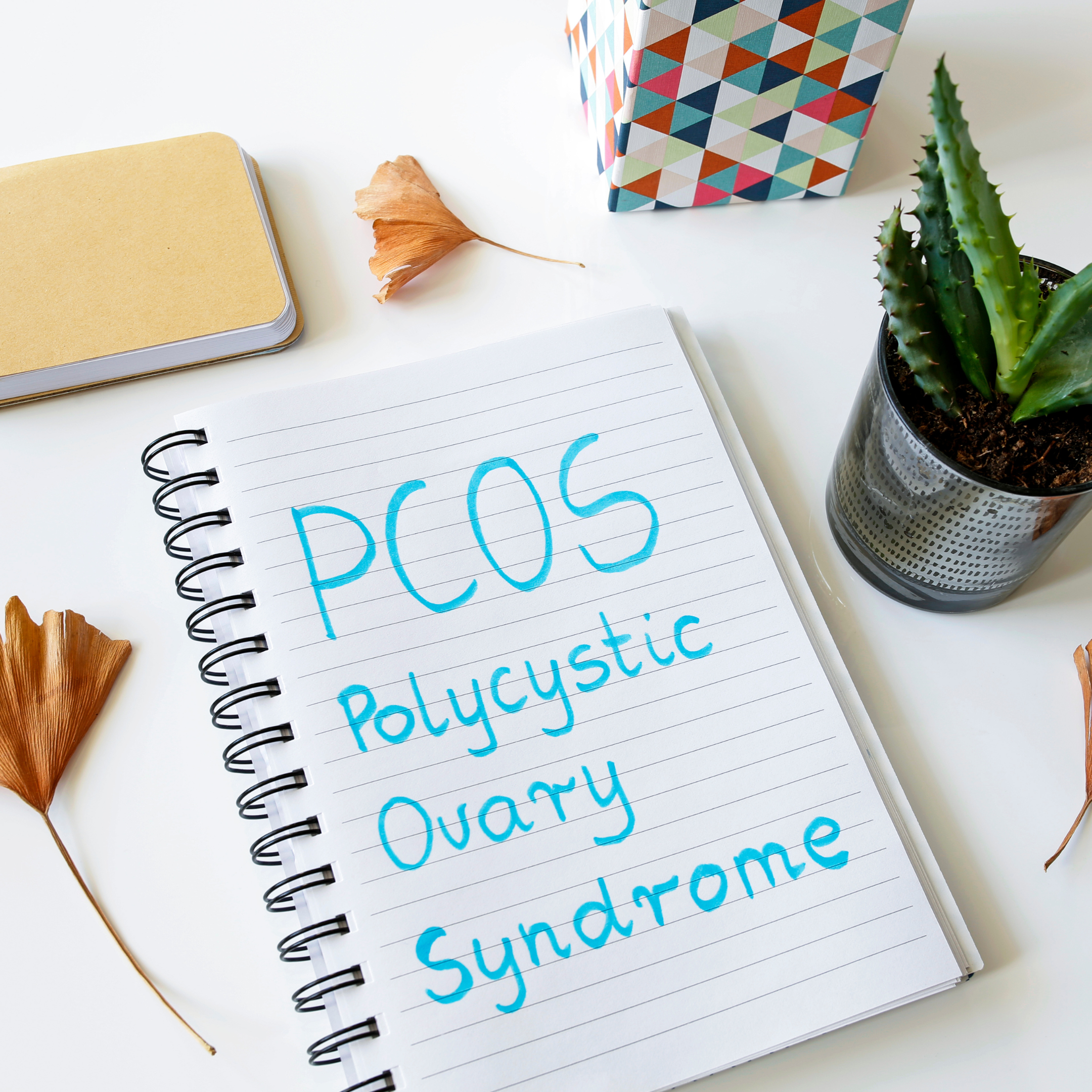
5 Supportive Ideas for Managing PCOS: Addressing Autophagy, Ketosis, and Carb Cycling
Struggling with PCOS? Explore five holistic strategies to manage symptoms, including the role of autophagy, ketosis, and carb cycling in balancing hormones and improving insulin sensitivity. Learn how small, sustainable changes can make a big difference in managing PCOS naturally.

Polycystic Ovary Syndrome (PCOS) affects millions of women worldwide and is a complex condition that goes beyond irregular periods and fertility challenges. PCOS involves insulin resistance, inflammation, hormonal imbalances, and even issues with autophagy—the body’s natural process for cleaning out damaged cells and regenerating new ones. Because of this, diet and lifestyle changes that target these root causes can be game-changers in managing PCOS.
As someone who has both studied and lived with PCOS, I’ve learned that taking a holistic approach to the condition can make a huge difference. In this post, I’ll share five key support ideas, including how understanding autophagy and utilizing ketosis with carb cycling can help you manage PCOS more effectively.
1. Support Autophagy with Fasting and Ketosis
One of the lesser-known but critical aspects of PCOS is how it disrupts autophagy, your body’s cellular cleaning process. When autophagy is impaired, it can worsen inflammation, hormone imbalances, and insulin resistance—all major factors in PCOS. One way to kickstart autophagy is through ketosis, which is achieved by following a low-carb, high-fat diet.
Ketosis mimics the effects of fasting by pushing the body to burn fat for fuel, which can reduce inflammation and improve insulin sensitivity—two core issues in PCOS.
Intermittent fasting (IF) can stimulate autophagy by allowing your body more time to repair and regenerate cells. I’ve found that a simple 16:8 fasting schedule—where you fast for 16 hours and eat during an 8-hour window—can be a great way to ease into this practice. Not only does this boost autophagy, but it also helps regulate insulin levels.
The ketogenic diet emphasizes high-fat, moderate-protein, and low-carb intake, which can push your body into a state of ketosis. This diet may reduce the frequency of insulin spikes and improve hormonal balance, helping manage PCOS symptoms like weight gain and irregular periods.
Together, fasting and ketosis can be powerful tools in activating autophagy and giving your body the internal reset it needs to manage PCOS more effectively.
2. Use Carb Cycling to Balance Hormones
While ketosis is great for managing insulin resistance and inflammation, long-term strict keto can sometimes be challenging, especially for women with hormonal imbalances. Enter carb cycling—a method where you alternate between low-carb and higher-carb days to support both metabolic flexibility and hormone regulation.
Carb cycling is beneficial for women with PCOS because it helps:
Support thyroid function: Long-term keto can sometimes suppress thyroid hormones, leading to fatigue and sluggish metabolism. A higher-carb day can give your thyroid the boost it needs to keep hormone production balanced.
Prevent metabolic slowdown: Constantly being in ketosis can reduce leptin levels (the hormone responsible for hunger and metabolism). Carb cycling helps maintain healthier leptin levels and prevents metabolic adaptation.
Boost energy: PCOS often leads to low energy, and adding carbs strategically around workout days can help you maintain energy levels and build muscle.
For example, you might follow a ketogenic diet for five days, then incorporate two days of higher carb intake, focusing on healthier carbs like sweet potatoes, quinoa, or fruit. This flexibility allows you to manage insulin resistance without the hormonal imbalances that sometimes come from strict low-carb diets.
3. Incorporate Strength Training for Insulin Sensitivity
Exercise is critical for managing PCOS, especially when it comes to improving insulin sensitivity. Strength training, in particular, has been shown to help the body use insulin more efficiently by building muscle mass, which can reduce insulin resistance—a key driver of PCOS.
Weight training helps build lean muscle, which burns more glucose and helps regulate blood sugar levels.
Resistance exercises like squats, deadlifts, and lunges improve metabolic health and encourage better insulin regulation. Over time, this helps mitigate the hormonal imbalances that are often linked to PCOS.
When you pair strength training with intermittent fasting or ketosis, it amplifies the benefits for both insulin sensitivity and autophagy, helping your body regulate itself more effectively.
4. Prioritize Gut Health with Anti-Inflammatory Foods
PCOS is often linked with chronic inflammation, which can exacerbate symptoms like acne, fatigue, and weight gain. Poor gut health can contribute to inflammation, so it's essential to include foods that nourish your gut and reduce inflammation.
Eat fermented foods like sauerkraut, kimchi, and yogurt, which provide beneficial probiotics to support gut health.
Incorporate anti-inflammatory foods like fatty fish (salmon, sardines), leafy greens, and berries. These foods contain omega-3 fatty acids and antioxidants, which help reduce the chronic inflammation associated with PCOS.
Limit inflammatory triggers like processed foods, refined sugar, and trans fats. These can worsen insulin resistance and inflammation, which only makes PCOS symptoms harder to manage.
A diet rich in fiber, healthy fats, and anti-inflammatory foods can also support your body’s autophagy process, helping your cells function optimally and reducing the underlying inflammation that drives many PCOS symptoms.
5. Reduce Stress to Support Hormonal Balance
Stress is one of the biggest but often overlooked factors that can worsen PCOS. When you're constantly stressed, your body produces more cortisol, which can lead to increased insulin resistance, weight gain, and hormonal imbalances.
Chronic stress also interferes with autophagy and cellular repair processes, making it harder for your body to recover and heal. Reducing stress through simple daily practices can help balance your hormones and improve PCOS symptoms.
Practice mindfulness or meditation for at least 10 minutes each day. Even short sessions can lower cortisol levels and help regulate your menstrual cycle.
Breathing exercises can calm the nervous system and reduce stress-induced hormonal imbalances.
Prioritize sleep. Poor sleep can spike cortisol and insulin, both of which are already problematic in PCOS. Aim for 7–8 hours of restful sleep each night to support hormonal balance and improve your body’s ability to activate autophagy.
By managing stress, you're giving your body the chance to function more optimally and regulate hormones naturally.
Final Thoughts
Managing PCOS requires a multi-faceted approach that addresses not just symptoms but the root causes—insulin resistance, inflammation, and impaired autophagy. Strategies like intermittent fasting, ketosis with carb cycling, strength training, gut health, and stress reduction all work together to support your body’s natural healing processes.
If you’re looking for holistic ways to manage PCOS, start by exploring how these strategies fit into your lifestyle. Small, sustainable changes can have a significant impact on your health and help you take control of PCOS in a way that works for your body.
If you are interested in learning more, then pitch my KetobyCarli virtual class.
What are small red skin bumps from?
Mystery skin issues can leave you frustrated. Using a strategic food based approach can clear things up without having to go to the dermatologist.

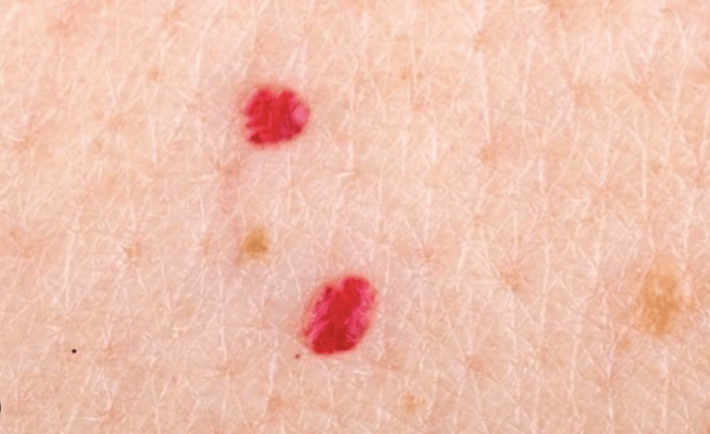
The day I noticed that I had tiny little red bumps all over my skin (cherry angiomas) is etched in my memory. I thought to myself “This is gross and concerning at the same time. I am pretty sure these are something my grandfather had and they are everywhere…..why????”
Of course I went down the rabbit hole of trying to find out what they could be from, since I personally don't let “genetics” be an excuse for much of anything.
The conclusion? Blood sugar imbalances, NAFLD / liver sluggishness, or possibly mold toxicity. Well dang.
So not only was my healthy eating and lifestyle seemingly not working, now I was worrying about my liver and the damage that was happening from possible mycotoxins. Awesome.
Fast forward a few months, I was gearing up for knee surgery. My mind was on a swift recovery and figuring out my next moves for detoxing/liver support.
Enter KETOSIS, what I call the “Swiss army knife of dietary approaches.”
It hit me that by getting into ketosis I could address all of my issues without taking a ton of supplements or going on an extreme cleanse. I just had to adjust my diet.
How is this possible?
In ketosis, when your body is burning fat as fuel and using ketones for energy, some pretty magical things happen:
Autophagy increases (this is how the body cleans itself up, the “bad” cells eat themselves, literally!!)
Inflammation and blood sugar levels decrease
The liver is freed up to detox more! (it no longer has to constantly regulate your blood sugar and has more mitochondrial energy to detox)
Water is moved out of the body more efficiently, helping open up drainage pathways for more efficient detoxing.
YAAAS! The body has a self-healing, self-cleaning, reverse aging potential that is built in. Not 👏🏻 even👏🏻 kidding👏🏻.
So now that I have been doing ketosis with carb cycling, I am happy to report that my cherry angiomas are 75% gone!! I give the credit to my commitment to ketosis and fasting.
Ketosis allows cells to self-dissolve things like moles, angiomas, milia, skin tags & more
My KetobyCarli class will help you turn your health around, away from mystery skin issues and disease onset. And the best part is you get to just use the power of FOOD.
Carli created WELLNESS BY CARLI to combine her love of real food with her knowledge of functional medicine. These article are to share what she has learned to hopefully help you heal and feel your best!
-
April 2025
- Apr 29, 2025 Peptides 101: What They Are and Why Your Body Loves Them Apr 29, 2025
- Apr 21, 2025 From Burnout to Balance: Resetting Your Nervous System for Optimal Health Apr 21, 2025
- Apr 21, 2025 The HPA Axis: Your Body’s Stress Symphony (and How to Keep It in Harmony) By Carli Kilgore Apr 21, 2025
- Apr 11, 2025 The Stress Response: Your Body’s Alarm System (And How to Make Peace With It) Apr 11, 2025
-
February 2025
- Feb 28, 2025 The Copper IUD: A Holistic Perspective on Health Implications Feb 28, 2025
- Feb 13, 2025 Nebulizing for Mold Detox: A Powerful Tool for Recovery Feb 13, 2025
-
December 2024
- Dec 12, 2024 11 Must-Have Natural Supplements for Cold + Flu Season Dec 12, 2024
- Dec 11, 2024 Uncovering the Root of Your Health Issues: Why Deeper Healing is the Key to Lasting Wellness Dec 11, 2024
- Dec 6, 2024 Winter Wellness Cheat Sheet: Beat Colds Before They Beat You Dec 6, 2024
- Dec 4, 2024 Wellness Wishlist: Your Guide to Thoughtful, Healthful Gifts Dec 4, 2024
-
November 2024
- Nov 18, 2024 10 Tips for Staying Healthy (and Happy!) During the Holiday Season Nov 18, 2024
- Nov 18, 2024 Staying on Track While Traveling: Tips for Wellness on the Go ✈🌿 Nov 18, 2024
- Nov 7, 2024 The Hidden Connection Between Parasites and Your Energy Field Nov 7, 2024
- Nov 7, 2024 5 Myths About PCOS — Debunked! Understanding the truth about Polycystic Ovary Syndrome (PCOS) Nov 7, 2024
- Nov 7, 2024 PCOS Symptoms You Might Be Overlooking: Recognizing the Subtle Signs Nov 7, 2024
- Nov 7, 2024 Set an Intention + Plan Your Success: Your Personal Roadmap to Wellness Nov 7, 2024
- Nov 7, 2024 What You Should Know About Doing a Parasite Cleanse Nov 7, 2024
-
October 2024
- Oct 24, 2024 The Power of Meditation: Unlocking Inner Peace and Wellness Oct 24, 2024
- Oct 24, 2024 Latest in Cancer Research: Aspirin Cuts Colorectal Cancer Risk! Oct 24, 2024
- Oct 24, 2024 How Much Should You Really Eat? A Real, Honest Look at Finding Balance Oct 24, 2024
- Oct 23, 2024 How to Get a Good Night’s Sleep: A Quantum Biology Approach to Restful Nights Oct 23, 2024
- Oct 18, 2024 How the Ketogenic Diet Affects Your Gut Health Oct 18, 2024
- Oct 14, 2024 5 Supportive Ideas for Managing PCOS: Addressing Autophagy, Ketosis, and Carb Cycling Oct 14, 2024
- Oct 11, 2024 The Healing Power of Nature: Embracing the Benefits of the Great Outdoors Oct 11, 2024
- Oct 11, 2024 Aspirin and Vitamin C as Cancer Therapy: New Insights from a Recent Study Oct 11, 2024
- Oct 4, 2024 The Importance of Natural Sunlight for Hormonal Balance Oct 4, 2024
- Oct 4, 2024 Why is it Important to Do a Parasite Cleanse? Oct 4, 2024
-
September 2024
- Sep 20, 2024 MOLD TOXICITY + NATURAL HEALING IN HOUSTON, TX (Copy) Sep 20, 2024
-
February 2024
- Feb 17, 2024 What are small red skin bumps from? Feb 17, 2024
-
June 2023
- Jun 23, 2023 Is your nervous system preventing you from healing? Jun 23, 2023
-
May 2023
- May 30, 2023 Quench Your Thirst: Unlocking the Power of Hydration May 30, 2023
-
February 2023
- Feb 23, 2023 Ketosis 101 + My Keto Story Feb 23, 2023
-
July 2022
- Jul 7, 2022 Pro-Metabolic Eating to Boost Your Metabolism Jul 7, 2022
-
January 2020
- Jan 5, 2020 Why is it so important to Detox? Jan 5, 2020
-
April 2019
- Apr 26, 2019 Having Anxiety? Skip the Caffeine. Apr 26, 2019
-
November 2018
- Nov 25, 2018 Adaptogens: Why you need these now. Nov 25, 2018
-
July 2018
- Jul 5, 2018 Are you having trouble sleeping? Jul 5, 2018
-
November 2017
- Nov 10, 2017 Supplements during Pregnancy--are they safe? Nov 10, 2017
-
September 2017
- Sep 28, 2017 Carbohydrate Needs During Pregnancy + 5 Tips to Balance Blood Sugar Sep 28, 2017
-
August 2017
- Aug 15, 2017 Boost Brain Power! Aug 15, 2017