Are you having trouble sleeping?

Do you:
Have a hard time falling asleep?
Can fall asleep easily but then toss and turn all night?
Wake up multiple times throughout the night?
Sleep well but wake up too early and can't fall back asleep?
Think you sleep well, yet wake up tired?
If you answered yes to any of these questions, you may be part of the 30-50% of the population that suffers from either acute or long term insomnia. Lack of sleep is an epidemic and root cause for many mental and physical health issues. While we sleep, our hormones recharge, including those that regulate your hunger (ghrelin and leptin) as well as blood sugar (insulin). This is a time when neurotransmitters are reset, which are pivotal in preventing depression and anxiety. Sleep is also involved in healing and repair of your heart and blood vessels. constantly working to prevent heart disease.
What Causes Insomnia?
Insomnia can be rooted in a host of different issues including:
Looking at blue light screens at night (smart phones, laptops, TVs etc) which can suppress the pineal gland, where melatonin is produced. Melatonin is a beneficial hormone that induces sleep and supports fat burn
Drinking too much caffeine
Drinking too much water after 7 pm (which leads to having to go to the bathroom multiple times through the night)
Not sleeping in a cool enough room
Stress and ruminating thoughts
Irregular sleep and wake routines
Health issues such as digestive imbalances or chronic pain
Sleep apnea or other breathing issues
Certain prescription medications or unsafe supplements that cause increased heart rate, frequent urination at night, etc.

What can you do to improve sleep?
Behavioral and dietary changes as well as taking certain supplements can be very helpful to rewire your system and promote resultful sleep again. These changes are paramount to healing if you are trying to overcome illness, especially auto-immune disease.
Shut down electronics 1-2 hours before bed time
Stop drinking water by 7 pm
Keep a journal bedside to export thoughts and ease the mind
Create a consistant wake and bed time to form habit
Limit caffeine and do not drink after 12pm
Lower the bedroom temperature
Clean up the diet: limit sugar especially before bed. A very low carb and high fat diet like Ketosis also helps to improve sleep by rebalancing neurotransmitters
Eat foods that increase melatonin: tart cherries, turkey, chicken tuna, walnuts, broccoli etc.
Limit or remove alcohol which can disrupt REM cycles
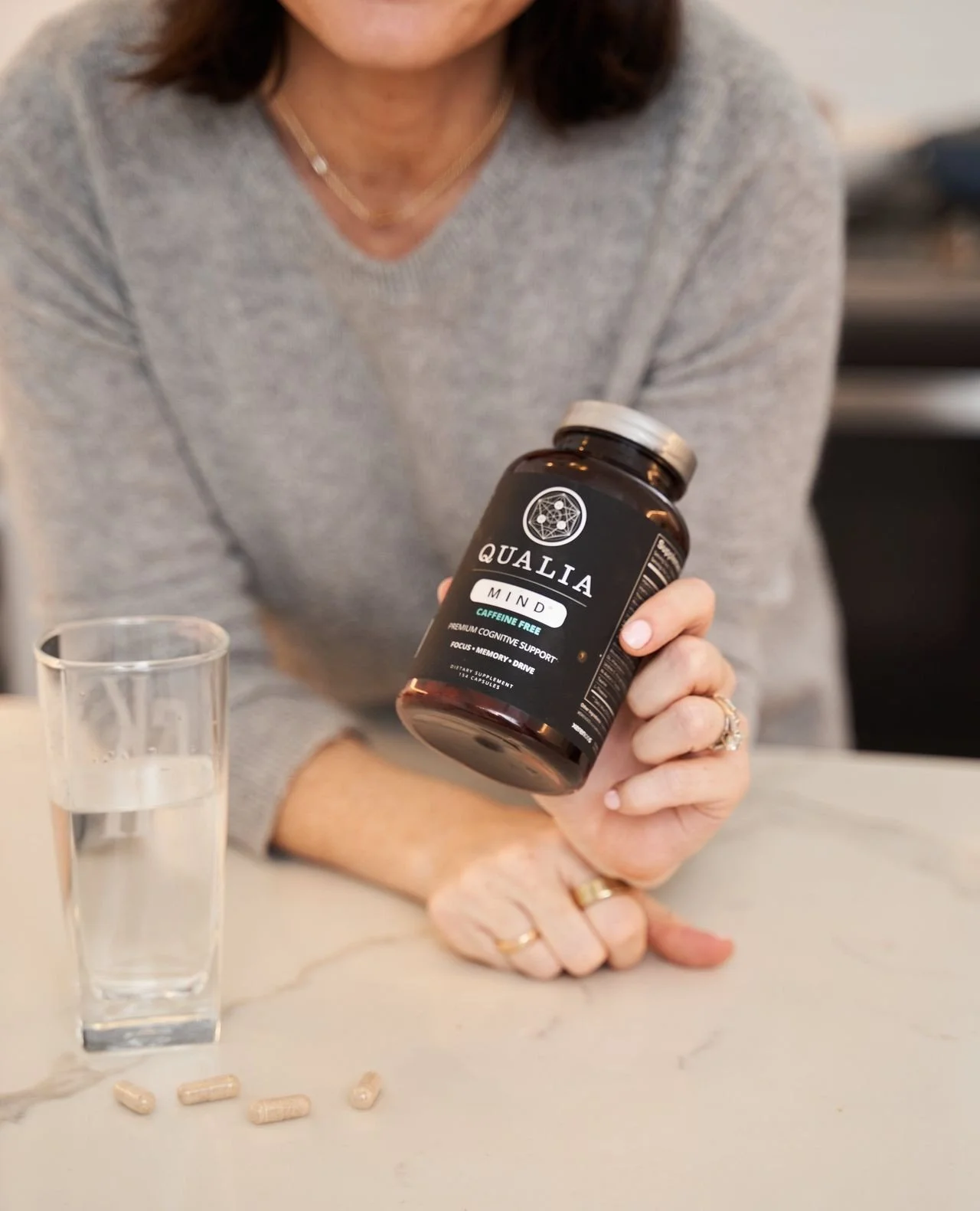
Take quality supplements
What supplements are best?
Below are my favorite sleep support formulas that have proven to help my clients sleep better:
*Note: If purchasing supplements, using a safe dispensary where all formulas are lab tested for quality is ideal.
1. Magnesium: Taking a magnesium supplement, about 400 to 500 milligrams a night before bed, can help you naturally reduce stress and really improve sleep. I recommend magnesium bis-glycinate in order to help relax muscles without causing loose stools.
Top product recommendations: Calm, Cenitol, NeuroMag, Mag Gly
2. Herbal Support: Adaptogens and Nervines are herbs found in nature that help support the HPA axis (stress axis). They can work to calm us down when we are dealing with stress and/or lack of sleep. My favorite sleep related herbs include: skullcap, lemon balm, hops, valerian root, and chamomile, to name a few. I typically suggest using these in compounded formulas to retrain the body to sleep.
Top product recommendations: Benesom, Sleep Factors, Sleep Aide, Stress-Relax Tranquil Sleep, sleep and relax tea
3. Probiotics: Endless amounts of research is being published in support of a healthy microbiome. Since serotonin (a neurotransmitter and precursor to melatonin) is made along the gut from bacteria, we need a plethora of healthy probiotics in order to support deep sleep.
Top product recommendations: Ther-Biotic Complete, UltraFlora Balance , liquid probiotic
4. Vitamin B12 (1500 mcg daily) — Vitamin B12 supports cellular function and a deficiency can cause problems with circadian rhythms.
Top product recommendations: B12 with L-5-MTHF, B12 Lozenges , liquid B12
NOTE: This information is not intended to provide or replace medical advice, nor should it be used to diagnose, treat, cure or prevent disease.

Sign up for FREE for my online dispensary for the highest quality and most safe medical grade supplements.

Carli created WELLNESS BY CARLI to combine her love of real food with her knowledge of functional medicine. These article are to share what she has learned to hopefully help you heal and feel your best!
-
April 2025
- Apr 29, 2025 Peptides 101: What They Are and Why Your Body Loves Them Apr 29, 2025
- Apr 21, 2025 From Burnout to Balance: Resetting Your Nervous System for Optimal Health Apr 21, 2025
- Apr 21, 2025 The HPA Axis: Your Body’s Stress Symphony (and How to Keep It in Harmony) By Carli Kilgore Apr 21, 2025
- Apr 11, 2025 The Stress Response: Your Body’s Alarm System (And How to Make Peace With It) Apr 11, 2025
-
February 2025
- Feb 28, 2025 The Copper IUD: A Holistic Perspective on Health Implications Feb 28, 2025
- Feb 13, 2025 Nebulizing for Mold Detox: A Powerful Tool for Recovery Feb 13, 2025
-
December 2024
- Dec 12, 2024 11 Must-Have Natural Supplements for Cold + Flu Season Dec 12, 2024
- Dec 11, 2024 Uncovering the Root of Your Health Issues: Why Deeper Healing is the Key to Lasting Wellness Dec 11, 2024
- Dec 6, 2024 Winter Wellness Cheat Sheet: Beat Colds Before They Beat You Dec 6, 2024
- Dec 4, 2024 Wellness Wishlist: Your Guide to Thoughtful, Healthful Gifts Dec 4, 2024
-
November 2024
- Nov 18, 2024 10 Tips for Staying Healthy (and Happy!) During the Holiday Season Nov 18, 2024
- Nov 18, 2024 Staying on Track While Traveling: Tips for Wellness on the Go ✈🌿 Nov 18, 2024
- Nov 7, 2024 The Hidden Connection Between Parasites and Your Energy Field Nov 7, 2024
- Nov 7, 2024 5 Myths About PCOS — Debunked! Understanding the truth about Polycystic Ovary Syndrome (PCOS) Nov 7, 2024
- Nov 7, 2024 PCOS Symptoms You Might Be Overlooking: Recognizing the Subtle Signs Nov 7, 2024
- Nov 7, 2024 Set an Intention + Plan Your Success: Your Personal Roadmap to Wellness Nov 7, 2024
- Nov 7, 2024 What You Should Know About Doing a Parasite Cleanse Nov 7, 2024
-
October 2024
- Oct 24, 2024 The Power of Meditation: Unlocking Inner Peace and Wellness Oct 24, 2024
- Oct 24, 2024 Latest in Cancer Research: Aspirin Cuts Colorectal Cancer Risk! Oct 24, 2024
- Oct 24, 2024 How Much Should You Really Eat? A Real, Honest Look at Finding Balance Oct 24, 2024
- Oct 23, 2024 How to Get a Good Night’s Sleep: A Quantum Biology Approach to Restful Nights Oct 23, 2024
- Oct 18, 2024 How the Ketogenic Diet Affects Your Gut Health Oct 18, 2024
- Oct 14, 2024 5 Supportive Ideas for Managing PCOS: Addressing Autophagy, Ketosis, and Carb Cycling Oct 14, 2024
- Oct 11, 2024 The Healing Power of Nature: Embracing the Benefits of the Great Outdoors Oct 11, 2024
- Oct 11, 2024 Aspirin and Vitamin C as Cancer Therapy: New Insights from a Recent Study Oct 11, 2024
- Oct 4, 2024 The Importance of Natural Sunlight for Hormonal Balance Oct 4, 2024
- Oct 4, 2024 Why is it Important to Do a Parasite Cleanse? Oct 4, 2024
-
September 2024
- Sep 20, 2024 MOLD TOXICITY + NATURAL HEALING IN HOUSTON, TX (Copy) Sep 20, 2024
-
February 2024
- Feb 17, 2024 What are small red skin bumps from? Feb 17, 2024
-
June 2023
- Jun 23, 2023 Is your nervous system preventing you from healing? Jun 23, 2023
-
May 2023
- May 30, 2023 Quench Your Thirst: Unlocking the Power of Hydration May 30, 2023
-
February 2023
- Feb 23, 2023 Ketosis 101 + My Keto Story Feb 23, 2023
-
July 2022
- Jul 7, 2022 Pro-Metabolic Eating to Boost Your Metabolism Jul 7, 2022
-
January 2020
- Jan 5, 2020 Why is it so important to Detox? Jan 5, 2020
-
April 2019
- Apr 26, 2019 Having Anxiety? Skip the Caffeine. Apr 26, 2019
-
November 2018
- Nov 25, 2018 Adaptogens: Why you need these now. Nov 25, 2018
-
July 2018
- Jul 5, 2018 Are you having trouble sleeping? Jul 5, 2018
-
November 2017
- Nov 10, 2017 Supplements during Pregnancy--are they safe? Nov 10, 2017
-
September 2017
- Sep 28, 2017 Carbohydrate Needs During Pregnancy + 5 Tips to Balance Blood Sugar Sep 28, 2017
-
August 2017
- Aug 15, 2017 Boost Brain Power! Aug 15, 2017