
Peptides 101: What They Are and Why Your Body Loves Them
If you've dialed in your wellness routine but still don’t feel your best, peptides might be the missing link. These small but mighty amino acid chains can support fat loss, gut healing, hormone balance, immune function, and more—often with noticeable results in just days. In this post, we break down what peptides are, why they’re not as intimidating as they sound (yes, even the injections!), and how they can help you finally move the needle on stubborn symptoms. Think of them as a next-level tool for those who’ve done the foundational work and are ready for real, root-cause change.
By: Carli Kilgore

Let’s talk about something that sounds super scientific—but actually has the power to change how you feel, look, and even heal: peptides.
I know, I know. “Peptides” sounds like something you’d find in a chemistry textbook, not something you’d be excited to talk about over your morning smoothie. But bear with me—because once you understand what they do, you’ll start to see why these little protein fragments are getting so much attention in the health and wellness world (and rightly so).
First Things First: What Are Peptides?
Peptides are small chains of amino acids—the basic building blocks of proteins. But while proteins are like full-length novels, peptides are more like short, powerful poems. They are quick-acting, highly targeted messengers that tell your body exactly what to do: heal, grow, repair, calm inflammation, burn fat, and more.
They’re not “foreign” to your body either. Your body naturally makes peptides every day—it’s just that stress, age, illness, and modern life can make production sluggish. Supplementing with therapeutic peptides is like handing your body a megaphone and saying, "Hey, remember how amazing you can be?"
Why Peptides Matter—Especially If You’ve Tried Everything
If you've mastered the wellness basics—clean eating, hydration, exercise, mindset work, high-quality supplements—but you're still not feeling 100%, you are not alone. Supplements can only get you so far. They often rely on your body being able to process and convert them properly, and if your gut or cellular health is compromised, even the best supplements might not hit the mark.
This is where peptides shine. They are already in their “ready-to-use” form. Your body recognizes them immediately. Some people notice shifts—better sleep, less pain, improved energy, less bloating—in days, not months. They are, truly, like magic when used correctly.
What Can Peptides Help With?
The better question might be: what can't they help with? Some of the biggest wins I’ve seen include:
Tissue repair and recovery: BPC-157 and TB-500 are incredible for healing injuries, post-surgery recovery, and even stubborn gut issues.
Gut healing and food intolerances: Peptides like BPC-157 work wonders for leaky gut, which is at the root of so many food sensitivities, autoimmune flares, and digestive struggles.
Fat loss and metabolism: Certain peptides directly support fat burning, muscle building, and appetite regulation—making weight loss feel natural instead of forced.
Hormone balance: Peptides like CJC-1295 and Ipamorelin gently stimulate your own natural growth hormone production, which can support energy, strength, and vitality as you age.
Immune modulation: Some peptides help calm an overactive immune system (think autoimmunity, allergies) or boost a sluggish one (think chronic infections).
And of course—skin, sleep, mood, libido—all get a boost when your body's systems start clicking into place.
A Note on GLP-1 Peptides (Yes, the Weight Loss “Shots”)
You’ve probably heard about GLP-1 medications like semaglutide (Ozempic, Wegovy). They can be incredibly helpful for weight loss because they regulate appetite and blood sugar brilliantly.
But here’s the thing: they often get a bad reputation—and honestly, for good reason sometimes.
They are frequently over-prescribed, over-dosed, and mixed with other additives that can cause unpleasant side effects. When used properly (lower doses, the right patient, real lifestyle support alongside them), GLP-1 peptides can be safe, effective, and life-changing. But they should never be the first or only tool someone reaches for. Root cause work and wellness foundations still matter.
Are Peptides Safe?
When used appropriately, yes. Peptides are generally well-tolerated because they’re natural to the body. However, it’s critical to work with a knowledgeable practitioner who understands dosing, sourcing, and your individual health needs.
This is not a “one-size-fits-all” area of medicine. It's about precision, personalization, and supporting the body's innate intelligence—not overriding it.
How Are Peptides Used?
There are a few ways people use peptides therapeutically: injections, creams, nasal sprays, and capsules. The delivery method depends on the goal. For deeper healing (like repairing tissue or balancing hormones), injections are often the most effective. For skin or superficial use, creams might do the trick.
I always recommend working with a trained practitioner if you’re considering peptide therapy. It’s powerful stuff—but only when personalized. Like any root cause work, the magic is in the nuance.
But… I’m Scared of Needles
This is super common! A lot of people feel intimidated when they first hear that many peptides are delivered by tiny subcutaneous injections (similar to an insulin shot).
Here’s the truth:
It doesn’t hurt. The needle is incredibly fine—think less painful than a mosquito bite.
Most people say after the first time, they wonder why they were so nervous.
If injections really aren’t your thing, many peptides are also available in capsule or nasal spray forms.
However, injections tend to be the most effective and direct method, especially for healing, weight loss, and hormone optimization.
You deserve to choose what feels right for you—and there are options!
The Bottom Line
Peptides are one of the most exciting and powerful tools we have today for truly getting to the root of stubborn health issues. They're ideal for those who have laid a strong wellness foundation but still feel like something is missing.
If you're ready to feel real changes—in energy, body composition, healing speed, digestion, sleep—sometimes in just days rather than months, peptides might just be the magic your body has been waiting for.
And remember: true wellness isn't about hacks. It’s about giving your body what it needs to thrive—and peptides can be a beautiful part of that journey.
Ready to try for yourself? Check out my Precision Peptide Packages to get the results you deserve.

From Burnout to Balance: Resetting Your Nervous System for Optimal Health
Burnout isn’t just about feeling tired—it’s a sign that your nervous system is crying out for help. In this blog, we explore how chronic stress pushes your body into overdrive and share practical, compassionate steps to reset your nervous system. Learn how to move from survival mode to a balanced, thriving state where you can truly feel like yourself again.
Burnout. It’s a word we hear a lot these days, and for good reason. It’s not just a buzzword—it’s a real, physical, and emotional state that affects so many people. Maybe you’ve felt it too: the exhaustion that never seems to go away, the constant mental fog, the overwhelm that makes even the smallest tasks feel impossible.
As a root cause practitioner, I’ve had the privilege of working with individuals who are in the throes of burnout. I’ve seen how it affects their bodies, their minds, and their lives. But here’s the good news: burnout isn’t a permanent sentence. With the right tools and guidance, you can reset your nervous system and restore balance to your life. And the best part? It’s not just about managing symptoms—it’s about finding true healing at the root.
What Is Burnout, Really?
Burnout is often viewed as the result of too much work, too much stress, and too little rest. But the reality is more complex. Burnout occurs when your body’s stress response system—the nervous system—becomes overwhelmed and stuck in a perpetual state of "fight or flight."
When we experience stress, the body activates the sympathetic nervous system (SNS). This is our survival mechanism, designed to prepare us for danger. However, in our modern world, where work pressures, family obligations, and constant digital connectivity can feel like ongoing threats, our SNS rarely gets a chance to turn off. Over time, this chronic activation causes wear and tear on the body, contributing to exhaustion, emotional depletion, and physical symptoms like muscle tension, digestive issues, and sleep disturbances.
On the flip side, the parasympathetic nervous system (PNS) is responsible for the rest-and-digest response, helping our body to heal, rejuvenate, and restore. When your nervous system is in balance, it can seamlessly shift between these two states. But when you’re burned out, that shift becomes harder and harder to make.
The Impact of Burnout on Your Nervous System
Burnout is essentially a nervous system failure to reset. It’s like a car running on empty for too long, the engine revving but not going anywhere. Here’s what burnout does to the nervous system:
Chronic Sympathetic Activation
When your stress response is constantly triggered, your body remains in a heightened state of alert. This can lead to constant feelings of anxiety, poor sleep, and a lack of relaxation.Dysregulated Hormones
Chronic stress affects the HPA axis (hypothalamic-pituitary-adrenal axis), the system that controls your stress hormones, including cortisol. Over time, this dysregulation leads to adrenal fatigue and an inability to cope with stress effectively.Emotional Disconnection
Prolonged burnout can numb your emotions. You may find yourself feeling detached, irritable, or even apathetic—unable to connect with people or experiences the way you once did.Physical Symptoms
Burnout often manifests as body aches, digestive issues, headaches, or weight fluctuations. The body holds on to stress physically, and it can feel like everything is falling apart.
From Burnout to Balance: How to Reset Your Nervous System
Now that we understand the toll burnout takes on the body, let’s talk about the healing process. It’s not about simply taking a vacation (though that can help!). It’s about resetting the nervous system so that you can create lasting change and return to a state of balance. Here’s how you can do that:
1. Prioritize Rest and Recovery
Sleep: Quality sleep is non-negotiable. Sleep is when your body and nervous system restore. Aim for 7-9 hours of restful sleep each night. Creating a calming bedtime routine, limiting screen time before bed, and keeping your sleep environment dark and quiet can make a world of difference. You should also consider shutting off your wifi and putting your phone on airplane mode.
Rest: Even if you’re not asleep, you still need deep rest. Rest isn’t just for the body—it’s for your nervous system. Allow yourself moments of stillness throughout the day. This could be a short meditation, a 5-minute breathing exercise, or simply sitting quietly in nature.
2. Regulate Your Nervous System
Breathing Techniques: The quickest way to reset your nervous system is through deep, conscious breathing. Try diaphragmatic breathing (breathing deeply into your belly) or the 4-7-8 method (inhale for 4 seconds, hold for 7 seconds, exhale for 8 seconds). These techniques activate your parasympathetic nervous system and help shift you out of fight-or-flight mode.
Vagus Nerve Stimulation: The vagus nerve is your body’s main "reset" switch. Stimulating it helps turn off stress responses and activate healing. Simple activities like humming, gargling, or deep belly laughter can stimulate the vagus nerve and bring you back to a place of balance.
3. Reconnect with Your Body
Movement: Gentle movement, like yoga or walking, can help release built-up tension in your muscles. The key is to avoid intense exercise that could further stress your nervous system. Focus on what feels good and nurturing for your body.
Massage and Bodywork: A good massage, acupuncture, or bodywork session can help release stored tension in your muscles and reset your nervous system. It's not just a luxury; it's an essential part of healing from burnout.
4. Nourish Your Body with Healing Foods
Gut Health: The state of your gut is intricately connected to your nervous system. Eating gut-healing foods like bone broth, fermented foods, and fiber-rich vegetables can support both your digestion and your mood. If you’re struggling with burnout, it’s important to avoid excessive caffeine, sugar, and processed foods, which can further irritate your nervous system.
Adaptogenic Herbs: Herbs like ashwagandha, rhodiola, and holy basil are known as adaptogens—they help balance your body’s response to stress. Adding them to your routine (under the guidance of a healthcare practitioner) can support your recovery.
5. Address the Root Causes of Burnout
Emotional Healing: Burnout often has emotional roots, whether it’s unresolved trauma, people-pleasing tendencies, the constant pressure to perform, or perfectionism. Working with a psych-k therapist, coach, or energy healer can help uncover these underlying issues and allow you to heal at a deeper level.
Set Boundaries: One of the biggest contributors to burnout is the inability to say no. Learning to set clear, compassionate boundaries—whether in your work or personal life—helps prevent future burnout and allows you to honor your needs.
Healing is a Journey, Not a Quick Fix
The journey from burnout to balance isn’t linear. Some days, you might feel on top of the world, and other days, you’ll need to rest and reset. It’s okay. Healing is a process, and you don’t have to go through it alone.
As someone who has worked through my own experiences with burnout, I can tell you this: the path to healing starts with self-compassion. It’s about understanding that you don’t have to be perfect. You don’t have to keep pushing through. You are worthy of rest, of balance, and of a life that feels good—not just looks good.
You’re already taking the first step by reading this and seeking support. Trust that your nervous system can heal, and with the right tools, you can return to a state of balance where both your body and mind thrive.

The HPA Axis: Your Body’s Stress Symphony (and How to Keep It in Harmony) By Carli Kilgore
Ever feel wired but tired, running on empty, or like your body’s in constant overdrive? It could be your HPA axis calling for help. This intricate stress-response system is at the core of your energy, hormones, sleep, and mood. In this blog, we’ll unpack what the HPA axis is, how chronic stress throws it off balance, and most importantly—how to gently restore it using root cause, whole-body healing. Your body’s not broken—it’s protecting you. Let’s help it feel safe again.

When we talk about stress, adrenal fatigue, burnout, or even hormonal imbalances, there’s one key system at the center of it all: the HPA Axis. Think of it as your body’s stress conductor—quietly orchestrating how you respond to the world around you, minute by minute, day by day.
But what is the HPA axis exactly, and why does it matter so much for your health and healing?
Let’s dive in.
💡 What is the HPA Axis?
The HPA axis stands for the Hypothalamic-Pituitary-Adrenal axis. It's a dynamic communication network between three major glands:
Hypothalamus (in the brain) – The control center, sensing changes and sending out the first signal.
Pituitary gland (also in the brain) – The messenger, receiving signals from the hypothalamus and directing the adrenal glands.
Adrenal glands (on top of the kidneys) – The doers, releasing cortisol and other stress hormones in response to the signals they receive.
This trio works together to manage your stress response, regulate energy, influence your immune system, control blood pressure, and even affect digestion and mood.
🧠 Stress & the HPA Axis: A Delicate Balance
Your HPA axis is beautifully designed to help you survive a threat—a lion chasing you, a car cutting you off, or a big work presentation. In short bursts, cortisol (your primary stress hormone) is adaptive. It sharpens your mind, raises your blood sugar, and readies your muscles.
But here’s the catch…
Chronic, unrelenting stress—from deadlines, poor sleep, toxic relationships, blood sugar dips, overtraining, or even inflammation—keeps this system "on" all the time. That’s when problems start.
🛑 What Happens When the HPA Axis Goes Off Track?
When your HPA axis is chronically activated, it starts to misfire. Over time, this can lead to what's often called HPA axis dysregulation (formerly known as adrenal fatigue). It’s not that your adrenals are “tired,” but rather the entire communication loop is off.
Symptoms can include:
Fatigue (especially in the morning or mid-afternoon)
Difficulty sleeping (wired but tired at night)
Cravings for salt, sugar, or caffeine
Anxiety or feeling "on edge"
Brain fog and poor memory
Low libido
Hormonal imbalances (e.g., PMS, irregular periods, low testosterone)
Immune dysfunction (frequent colds or autoimmunity)
Sound familiar?
🔍 Getting to the Root: What’s Driving Your HPA Dysregulation?
As a root cause practitioner, we don’t just look at symptoms—we ask why. What’s behind the HPA imbalance?
Here are common contributors:
Emotional stress – trauma, grief, work overload, perfectionism
Inflammation – gut issues, infections, toxins, food sensitivities
Blood sugar imbalances – skipping meals, sugar highs and crashes
Poor sleep quality – not just hours, but restorative sleep
Circadian rhythm disruption – blue light at night, shift work, irregular schedules
Overtraining or under-recovery – especially in women and high achievers
🛠 How to Rewire and Support Your HPA Axis (Naturally)
Healing the HPA axis is not about popping an adaptogen and hoping for the best. It's about creating safety in the body, consistency in your rhythms, and reconnection with your body’s needs.
Here’s where we start:
1. Nourish Regularly & Stabilize Blood Sugar
Eat balanced meals with protein, fat, and fiber
Ditch intermittent fasting if you're burnt out—it’s not for everyone
Keep snacks handy (especially if you crash mid-morning or mid-afternoon)
2. Prioritize Deep, Restorative Sleep
Get morning sunlight to anchor your circadian rhythm
Shut down screens an hour before bed
Consider magnesium, glycine, or calming herbs (under guidance)
3. Embrace Nervous System Regulation
Breathwork, meditation, somatic practices, EFT, or yoga
Even 10 minutes a day can shift your state from “fight or flight” to “rest and repair”
4. Honor Your Energy Cycles
Match your workouts to your energy (hint: not every day needs to be high-intensity)
Build in true rest days—guilt-free
5. Use Targeted Supplementation (When Needed)
Adaptogens like ashwagandha, rhodiola, holy basil
Nutrients like B vitamins, vitamin C, magnesium, and electrolytes
Functional testing to tailor support (e.g., DUTCH test, salivary cortisol)
❤️ Final Thoughts: Your Body Wants to Heal
The HPA axis isn’t broken—it’s adaptive. It’s doing its best to protect you based on the signals it’s receiving. When you begin to shift those inputs—physically, emotionally, environmentally—you help your body feel safe again.
And from that place of safety, healing becomes not just possible—but inevitable.
Ready to rebalance your HPA axis and reclaim your energy?
Let’s work together to get to the root and build resilience from the inside out.
Want to learn more about Stress Reset?
Watch this podcast on Youtube about
The Stress Reset Protocol: How to Calm Your Brain & Body for Good
👇👇👇
Instagram post:
👇👇👇
Trauma & Unresolved Stress Keep You Stuck in Freeze Mode
https://www.instagram.com/p/DITsWcLpjKC/?utm_source=ig_web_copy_link&igsh=MzRlODBiNWFlZA==

The Stress Response: Your Body’s Alarm System (And How to Make Peace With It)
We often think of stress as the problem—but what if it's actually a messenger?
Your stress response is your body's built-in alarm system, designed to protect you. But in today's world, it's often triggered by more than just real danger—it's set off by emails, old wounds, and a culture that glorifies busyness.
In this post, we explore the human side of stress—what's happening inside your body, why chronic stress shows up, and how you can begin to calm the chaos from the inside out. As a root cause practitioner and wellness coach, I’ll share the deeper story behind stress, and offer gentle, practical tools to help you shift from survival mode into true safety.
Stress isn’t something to conquer—it’s something to understand.

Let’s talk about stress—not the kind that’s just about deadlines and traffic jams (though yes, those count), but the kind that gets under your skin. The stress that lives in your body long after the chaos has passed. The stress that keeps you up at night and follows you through your day like a shadow.
Stress is a part of being human. It’s not your enemy. In fact, your stress response is one of your greatest survival tools. But like any tool, it can either serve you… or run the show. And when stress runs the show, everything else—your digestion, your sleep, your focus, your relationships—gets hijacked.
So let’s take a compassionate, root-level look at what stress really is, how it works, and how to come back into balance.
🌪 The Science of Stress: A Quick & Human Look
Your stress response is your body's internal alarm system. When it senses a threat—real or perceived—it sends out a 911 call from your brain (specifically the amygdala), alerting your nervous system. Cortisol and adrenaline flood your system, your heart rate speeds up, your muscles tense, and your digestion pauses.
This is brilliant in short bursts—if you’re running from a bear or giving a big presentation. But your nervous system doesn’t know the difference between a bear and an inbox full of unread emails, or between physical danger and emotional conflict.
This means that many of us are walking around with our stress switch stuck in the “on” position. That’s where the trouble starts.
🔍 The Root Cause Perspective: Stress is a Signal
As a root cause practitioner, I always ask: Why is the body reacting this way? What deeper imbalance or unmet need is driving this stress response?
Often, chronic stress is not just about what’s happening to you—it’s about what’s happening inside you:
Is your nervous system dysregulated from past trauma?
Is your body depleted of key nutrients that help you stay resilient?
Are you caught in a pattern of overgiving, overthinking, or under-receiving?
Are you disconnected from your values, your breath, your body?
Stress isn’t always about the thing—it’s about the story underneath the thing.
🛠 Rewriting the Stress Story: From Survival to Safety
Here’s the beautiful part: your body is wired for healing. The same system that turns stress on can also turn it off. It just needs the right signals.
Here’s what helps bring your nervous system back into balance:
1. Safe Connection:
The opposite of stress isn’t calm—it’s safety. Deep, co-regulating connection (with others or even with nature) sends your brain the message: “You’re okay. You’re not alone.”
2. Breath & Body Awareness:
Slow, intentional breathing isn’t a trend—it’s a tool. It literally tells your vagus nerve to shift out of “fight-or-flight” and into “rest-and-digest.” Movement, touch, and somatic practices help too.
3. Restoring Foundations:
Your body’s ability to handle stress depends on what I call the “foundational four”: sleep, nutrition, blood sugar balance, and gut health. You can’t regulate your mind if your body is running on empty.
4. Inner Listening:
Stress often signals that a part of you is feeling unseen or unheard. Journaling, therapy, or quiet self-reflection can help you decode the deeper message.
5. Boundaries & Beliefs:
Healing your stress response may mean letting go of old beliefs like “I have to do it all” or “Rest is lazy.” That’s brave work. It’s root work.
❤️ You’re Not Broken—You’re Wired for Survival
If you’ve been feeling chronically stressed, please hear this: there’s nothing wrong with you. Your body is doing exactly what it was designed to do—keep you safe. But you’re allowed to rewrite the rules. You’re allowed to move from survival mode into a life that feels spacious, safe, and supported.
Stress isn’t the enemy—it’s a messenger. And when you listen with compassion, it can lead you back home to yourself.
Want to learn more about Stress Reset?
Watch this podcast on Youtube about
The Stress Reset Protocol: How to Calm Your Brain & Body for Good
👇👇👇
Check our Instagram post:
👇👇👇
Trauma & Unresolved Stress Keep You Stuck in Freeze Mode
https://www.instagram.com/p/DITsWcLpjKC/?utm_source=ig_web_copy_link&igsh=MzRlODBiNWFlZA==
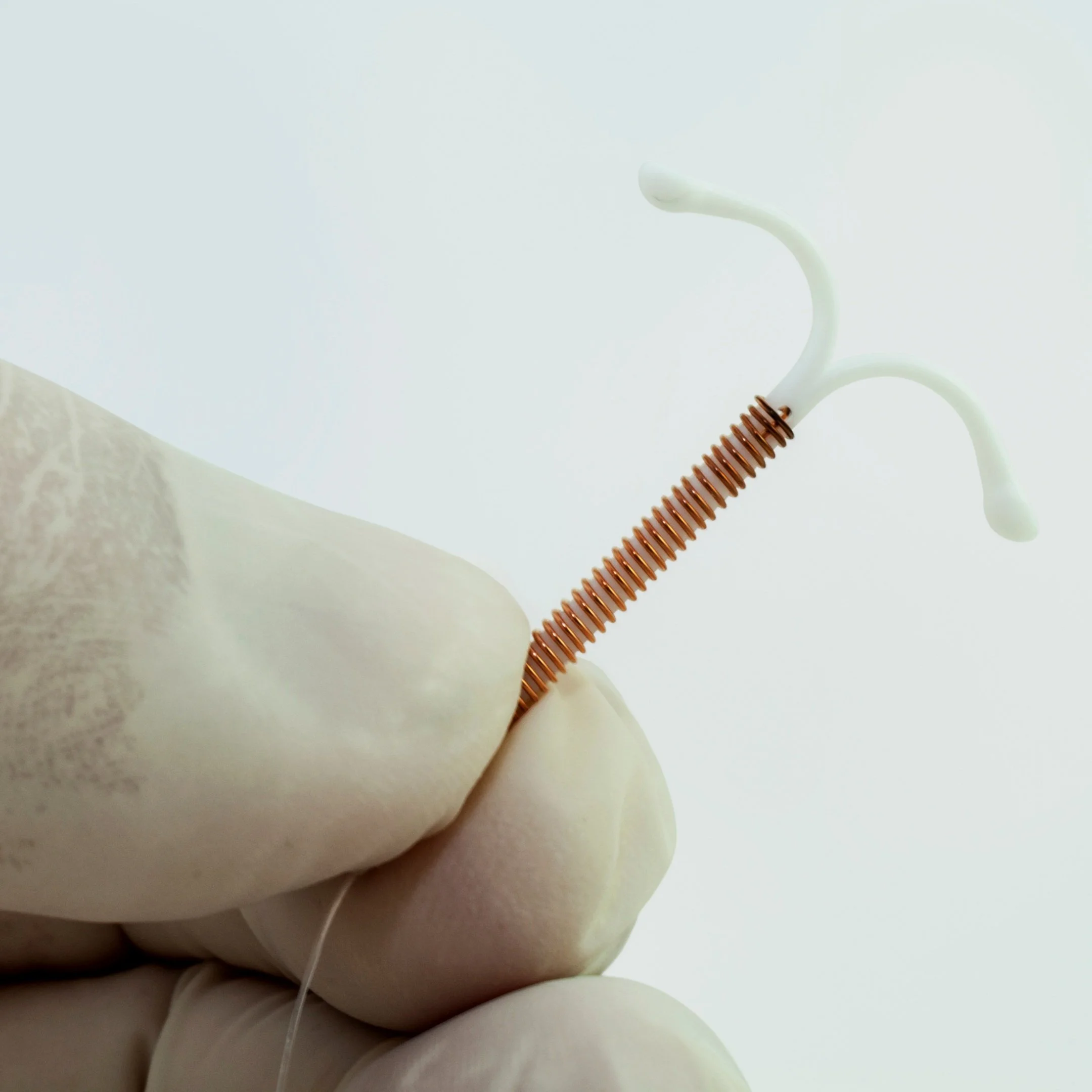
The Copper IUD: A Holistic Perspective on Health Implications
Could your Copper IUD be affecting your health? Many women experience fatigue, anxiety, brain fog, and hormonal imbalances without realizing their birth control may be a contributing factor. While marketed as “hormone-free,” the Copper IUD continuously releases copper, which can disrupt mineral balance, estrogen levels, and overall well-being. This article explores common symptoms of copper overload, who may be more sensitive, and holistic strategies to support your body. Plus, discover natural birth control alternatives that align with your health goals.

I often see women struggling with mysterious symptoms—fatigue, anxiety, brain fog, and hormonal imbalances—that conventional medicine brushes off as normal. But what if I told you that your birth control method could be playing a significant role in your health?
The Copper IUD (ParaGard) is often chosen as a "hormone-free" birth control option, but that doesn’t mean it’s free from systemic effects. In holistic and functional medicine, we recognize that this device continuously releases copper into the body, potentially impacting mineral balance, hormone regulation, and overall well-being. Let’s dive into some of the most common concerns and how you can support your body if you have—or are considering—a Copper IUD.
1. Copper Toxicity & Mineral Imbalances
The body needs a delicate balance of minerals to function optimally. The Copper IUD steadily releases copper, which can lead to an imbalance, especially in relation to zinc. This can contribute to:
Fatigue
Anxiety & mood swings
Brain fog
Hormonal imbalances
Skin issues (acne, eczema)
Insomnia
Joint pain
Your liver plays a key role in detoxifying excess copper, but if detox pathways are sluggish, copper can build up and wreak havoc on your body.
2. Estrogen Dominance
Copper has an estrogenic effect, meaning it may contribute to estrogen dominance, a condition linked to:
Heavy, painful periods
Breast tenderness
PMS
Weight gain (especially around the hips/thighs)
Increased risk of fibroids, endometriosis, and hormonal acne
If you’re already struggling with hormonal imbalances, introducing additional copper into the system could tip the scales further out of balance.
3. Gut & Microbiome Disruptions
Copper plays a role in microbial balance, but too much of it can disrupt the gut, contributing to:
Candida overgrowth
Gut dysbiosis
Increased inflammation in the digestive tract
Since gut health is foundational to overall wellness, chronic disruptions here can lead to widespread symptoms.
4. Adrenal & Nervous System Stress
The adrenals use zinc for stress regulation, and since copper and zinc work in opposition, excess copper can deplete zinc levels. This may result in:
Increased anxiety or panic attacks
Feeling overstimulated, wired but tired
Sensory sensitivity
Blood sugar instability
If you’re already dealing with stress, fatigue, or burnout, excess copper can further dysregulate your nervous system.
5. Autoimmune & Inflammatory Reactions
Some women experience chronic inflammation or autoimmune flares after getting a Copper IUD. Holistic practitioners believe this could be due to:
A reaction to the foreign device in the body
The immune system overreacting to increased copper levels
This is especially important for those with existing autoimmune conditions or a family history of immune dysregulation.
Who Might Be More Sensitive to the Copper IUD?
Some women are more vulnerable to the effects of excess copper, including:
Women with MTHFR mutations or poor detox pathways (they may struggle with copper clearance)
Those with a history of adrenal fatigue or HPA-axis dysfunction
Women already experiencing estrogen dominance, thyroid issues, or heavy metals toxicity
If any of these apply to you, monitoring your copper levels and supporting detoxification is crucial.
How to Mitigate Negative Effects
If you choose to keep a Copper IUD but want to minimize potential side effects, here are some holistic strategies:
Support Liver Detoxification
Dandelion root tea, milk thistle, beet juice
Sulfur-rich foods: garlic, onions, eggs, cruciferous veggies (broccoli, cabbage, Brussels sprouts)
Balance Copper with Zinc
Zinc-rich foods: oysters, pumpkin seeds, grass-fed beef
Supplementation: 30-50mg zinc picolinate per day (balance with a little copper)
Strengthen Gut Health
Probiotics
Avoiding sugar and processed foods
Manage Stress & Support Adrenals
Magnesium, B vitamins
Adaptogens like ashwagandha
Testing for Copper Toxicity & Balancing Minerals
If you suspect copper toxicity, testing can provide clarity:
Lab Testing for Copper Imbalance
Micronutrient Test Shows long-term mineral imbalances, including high copper and low zinc.
Blood Tests:
Serum Copper
Ceruloplasmin (low levels suggest free copper buildup)
Serum Zinc
Plasma Vitamin B6 (helps detox excess copper)
If serum copper is above 110 µg/dL or the copper-to-zinc ratio is skewed (higher than 1:8), you may be dealing with copper overload.
Natural Birth Control Alternatives
If you’re looking to remove the Copper IUD but still want effective, non-hormonal birth control, consider these options:
1. Fertility Awareness Method (FAM)
Tracks ovulation naturally using basal body temperature and cervical mucus
Apps like Natural Cycles or Read Your Body help chart accurately
When done correctly, it's 99% effective (as effective as the pill!)
2. Non-Hormonal Barrier Methods
Diaphragm (Caya) – Can be paired with natural spermicide
Copper-Free IUD (Ballerine) – Less copper exposure than ParaGard
External & Internal Condoms – Prevent both pregnancy & STDs
3. Herbal Birth Control Support
Wild carrot seed (Queen Anne’s Lace) has been traditionally used to prevent implantation
Neem oil & Ayurvedic herbs have antifertility properties (use with caution)
4. Cycle Syncing & Conscious Conception
Tracking ovulation and using protection during fertile windows (~6 days per month) can be highly effective
Final Thoughts
The Copper IUD may work well for some women, but for others, it can trigger a cascade of health issues. If you notice symptoms like anxiety, fatigue, or hormonal imbalances after insertion, it may be worth assessing your copper levels and supporting detoxification.
Your body is unique, and your birth control choice should align with your overall wellness. If you're struggling with symptoms and suspect your IUD is a factor, trust your intuition, get tested, and take steps to support your body's natural balance.
As always, if you need personalized guidance, working with a holistic practitioner can help you navigate the best path for your body and health goals.
Check my Instagram Post ro learn more about Copper IUD
👇🏻👇🏻👇🏻
Is Copper IUD Affecting Your Health?
https://www.instagram.com/p/DGv5ffoT1lT/?utm_source=ig_web_copy_link&igsh=MzRlODBiNWFlZA==
Is Copper IUD Secretly Draining You?
https://www.instagram.com/reel/DGgfKqLzuMy/?utm_source=ig_web_copy_link&igsh=MzRlODBiNWFlZA==

Nebulizing for Mold Detox: A Powerful Tool for Recovery
Nebulizing is a powerful tool for detoxing mold toxins and supporting respiratory health. By delivering therapeutic agents directly to the lungs, it offers fast and effective relief from symptoms like brain fog, fatigue, and sinus congestion. Learn how to use nebulizing safely, the best solutions for mold detox, and additional strategies to support your recovery.
As a root cause practitioner, wellness coach, and mom, I know firsthand how mold exposure can impact health. Whether you're dealing with chronic fatigue, brain fog, sinus congestion, or respiratory issues, mold toxicity can be a hidden culprit. One of the most effective ways to support detoxification and recovery from mold exposure is nebulizing. Let’s explore why nebulizing is a game-changer and how to use it safely for mold detox.
Why Nebulizing?
Nebulizing allows therapeutic agents to reach deep into the respiratory system, where mold spores and mycotoxins often linger. Unlike oral supplements, which must pass through digestion, nebulized treatments deliver relief directly to the lungs and bloodstream, offering fast and effective detox support.
Best Solutions for Nebulizing Mold Detox
Different solutions can be nebulized to help detox from mold, depending on individual needs. Here are some of the most effective options:
Glutathione – Known as the body’s master antioxidant, glutathione helps break down toxins, supports the liver, and enhances cellular detoxification.
Hydrogen Peroxide (Diluted 3%) – A natural antimicrobial, hydrogen peroxide can help clear fungal infections, bacterial overgrowth, and improve oxygenation.
Silver Hydrosol – Helps fight mold-related infections and supports immune function.
Saline Solution – Moisturizes and soothes irritated airways while helping clear out mucus and toxins.
Essential Oils (in proper dilution) – Certain essential oils like eucalyptus, thyme, and tea tree oil have antimicrobial properties that can aid in clearing mold toxins.
How to Nebulize Safely
Safety is key when using a nebulizer for detox. Follow these guidelines to ensure a safe and effective experience:
Use a Medical-Grade Nebulizer – Choose a high-quality nebulizer designed for fine mist delivery.
Choose the Right Solution for Your Needs – Work with a practitioner to determine which solution suits your detox plan.
Follow Proper Dilution Ratios – Never use undiluted hydrogen peroxide or essential oils. Always mix them according to recommended guidelines.
Nebulize in a Well-Ventilated Area – This helps prevent re-inhalation of released toxins.
Start Slowly – Begin with short sessions and gradually increase as tolerated.
Listen to Your Body – If you experience discomfort, stop immediately and consult a healthcare professional.
Additional Detox Support
Nebulizing is just one part of the mold detox puzzle. Supporting detox pathways holistically can enhance recovery:
Binders (activated charcoal, bentonite clay, chlorella) to trap and remove toxins.
Hydration to flush toxins from the system.
Liver Support (milk thistle, dandelion tea, castor oil packs) for efficient detoxification.
Sauna Therapy to aid in sweating out mycotoxins.
Nasal Rinsing to clear mold spores from sinuses.
Final Thoughts
Mold toxicity can feel overwhelming, but with the right tools, healing is possible. Nebulizing is a powerful, targeted approach to help clear toxins, support respiratory health, and aid in overall recovery. Always work with a knowledgeable practitioner to ensure safety and effectiveness in your detox journey.
If you’ve used nebulizing for mold detox, I’d love to hear about your experience! Share your thoughts in the comments below.
Join my WBC Group Parasite Cleanse
Let's get those things OUT!
👇🏻👇🏻👇🏻
https://wellnessbycarli.practicebetter.io/#/5f888ca92a902902e4eeaea2/bookings?c=6658e583c6608b7648e78bbb&step=course

11 Must-Have Natural Supplements for Cold + Flu Season
Gear up for cold and flu season with these 11 must-have natural supplements! From immune-boosting elderberry syrup to soothing bee propolis spray, this guide covers powerful remedies to strengthen your immunity and support overall health. Explore now for tips and product links!

The cold and flu season is upon us, and staying healthy is more important than ever. While proper hygiene and a balanced diet are essential, natural supplements can provide an extra layer of support. Below is a curated list of 11 must-have natural supplements to help bolster your immunity and keep you resilient during this season. Don’t forget to check out my Fullscript store for easy access to these products.
1. Bee Propolis Honey Spray
My kids love this one and its so easy to implement! This natural immune booster combines the antimicrobial properties of bee propolis with the soothing benefits of honey. It’s perfect for:
Soothing sore throats
Supporting respiratory health
Enhancing overall immunity
2. Zinc and Elderberry Cough Drops
This is a great combo to help ease sore throats while supporting healing. These cough drops:
Provide zinc to support the immune system
Help soothe and coat sore throats
Harnesses the antioxidant power of elderberry
3. Elderberry Syrup
Another great tasting supplement the kids are always happy to take. This is a staple in natural cold and flu remedies, elderberry syrup:
Contains nutrients like vitamin C, iron, and potassium, and is high in antioxidants, which may help reduce cell damage and boost the immune system
Some research suggests that elderberry syrup can shorten the duration of the flu and reduce the severity of symptoms, especially if taken within 24 to 48 hours of the onset of symptoms.
4. Quinton Hypertonic Minerals
This supplement provides a concentrated source of bioavailable minerals and trace elements.
Seawater Electrolyte Liquid Minerals Supplement for Hydration, Muscle Recovery + Energy Support
100% pure seawater, with up to 78 minerals & trace elements. Ideal for fast-acting hydration and mineral replenishment. Use when a revitalizing effect is desired or to support exertion from physical or mental effort.
This raw marine solution is sourced exclusively from the depths of protected, plankton-rich ocean blooms off the coast of France and cold-sterilized to retain its healing properties
5. Oscillococcinum
A popular homeopathic remedy for flu-like symptoms, Oscillococcinum:
Reduces the duration and severity of body aches, headaches, fevers, and chills
Is non-drowsy and suitable for adults and children ages 2 and up
Easy to implement for kids–tastes like sugar!
Gentle and effective
6. Biotoxin Binder from Cellcore
This gentle binder supports toxin removal and cellular detoxification. It is particularly useful for:
Gut health + removing illness causing bacteria and viral bi-produts
Helps remove problematic pathogens to aid in faster recovery
7. Magnesium Glycinate
Magnesium is essential for overall health. The glycinate form:
Supports relaxation and sleep
Eases muscle health
Helps manage stress and sleep disturbances
Will make you more comfortable during recovery and aids in 500+ enzymatic processes, many of which are used for healing
8. Castor Oil Packs
A time-tested natural remedy, castor oil packs promote:
Liver detoxification
Improved lymphatic drainage
Reduced inflammation
9. Probiotic Blend
Gut health plays a critical role in immunity. A high-quality, multi-strain probiotic:
Supports overall immunity
Helps maintain microbiome balance, especially after antibiotic use
Helps wards off problematic disease causing pathogens
10. CytoImmune by CellCore
CytoImmune is the perfect immune supplement to have on hand before you need it.
A well-rounded solution for a healthy immune and inflammatory response year-round, CytoImmune can be taken at the early onset of symptoms, for seasonal immune support, and during periods where immunity may be weakened – such as when traveling or experiencing stress.
This formula has eight herbs that work synergistically to support an effective immune system and inflammatory response, as well as the respiratory system and healthy breathing in the face of modern-day health challenges.
It also aids energy production and stamina, gentle detoxification, and cognitive health during periods of weakened immunity.
Formulated with BioActive Carbon Technology for extra cellular support
11. Pure Defense with NAC by Pure Encapsulations
One of my go-tos when I geel something coming on, this is formulated with N-Acetylcysteine (NAC), and:
Supports detoxification
Enhances respiratory health
Strengthens the immune system
Bonus: Proteolytic Enzymes: Enzyme Defense Pro
Proteolytic enzymes help break down mucus, promoting clearer airways. They:
Enhance immune function by targeting proteins from pathogens
Support the body’s natural ability to fight off seasonal infections
My biggest advice is to keep your diet lower in sugar to prevent sickness onset and keep getting outside even when it's cold. Either way, it's always best to be prepared and not let getting sick catch you off guard and ill-prepared. These natural supplements can provide essential support for your immune system and overall health. You can find all of them on my Fullscript store or at www.cellcore.com.
Stay well <3
Join my WBC Group Parasite Cleanse
Let's get those things OUT!
👇🏻👇🏻👇🏻
https://wellnessbycarli.practicebetter.io/#/5f888ca92a902902e4eeaea2/bookings?c=6658e583c6608b7648e78bbb&step=course

Uncovering the Root of Your Health Issues: Why Deeper Healing is the Key to Lasting Wellness
Are you stuck in a cycle of trial and error with your health? True healing goes beyond quick fixes like supplements or diets—it requires uncovering the root causes of your issues. In this blog, we explore why deeper healing is essential and dive into the three foundational pillars—nervous system regulation, spiritual hygiene, and somatic processing—that can help you achieve lasting wellness.

When we face persistent health challenges, it’s easy to reach for the quick fixes—supplements, diets, and lifestyle hacks that promise relief. But what if I told you that true healing requires going deeper? Without addressing the root causes of your issues, these solutions are often just temporary band-aids.
As a root cause practitioner and wellness consultant, I’ve seen it all—and I’ve been there myself. I spent years stuck in the trial-and-error phase, following advice that only scratched the surface of what my body truly needed. Supplements that were life changing for other people didn’t seem to move the needle at all for me. It wasn’t until I dove into the deeper layers of healing that everything changed.
In this blog, we’ll explore why addressing deeper energetic, emotional, and physiological imbalances is essential for overcoming health challenges. We’ll also look at the three foundational pillars of healing that can help you finally move beyond the cycle of frustration and toward lasting transformation.
Why Quick Fixes Fall Short
When health issues arise, the first instinct is often to address the symptoms. And while supplements, dietary changes, and lifestyle shifts can be helpful, they won’t solve the underlying problem if the root cause remains unaddressed.
Think of it this way: if you have a plant with withering leaves, you don’t fix it by polishing the leaves—you go straight to the roots. The same principle applies to our bodies. The symptoms we experience are signals of deeper imbalances, and ignoring these signals only prolongs the healing process.
Without tackling the core issues—like emotional trauma, nervous system dysregulation, or unresolved energetic blockages—healing becomes an uphill battle.
The Three Pillars of Deep Healing
If you’re ready to go beyond surface-level fixes, these three foundational areas are where your healing journey should begin:
1. Nervous System Regulation
Your body cannot heal in a state of chronic stress. When your nervous system is dysregulated—constantly pumping out stress hormones—it sends a signal to your body that it’s not safe to relax or repair.
This can lead to:
Lowered immune defenses
A leaky gut, where toxins and pathogens enter your system
Hormonal imbalances
To create an environment where healing can occur, it’s essential to calm your nervous system. Practices like breathwork, meditation, and grounding exercises can help, but the key is consistency and finding what works for you.
2. Spiritual Hygiene
Healing isn’t just physical; it’s deeply spiritual. Many of the health issues we face are tied to unresolved emotional wounds, limiting beliefs, and patterns stored in the subconscious mind.
Spiritual hygiene involves:
Healing past traumas and inner child wounds
Letting go of ego-driven fears
Cultivating a deeper connection with yourself
When you work through these layers, your body no longer has to carry the burden of unresolved emotions, and it can begin to release what no longer serves you.
3. Somatic Processing
Your body stores memories, emotions, and traumas at a cellular level. To release this energetic residue, you must engage in somatic processing—a practice that allows you to feel and move through these experiences rather than suppressing them.
This can involve:
Movement practices like dance or yoga
Breathwork and body scans
Spending time in nature
Working with a practitioner who can guide you through deeper emotional releases
As uncomfortable as it might seem, feeling into these stored experiences is how you create space for healing and growth.
Beyond Band-Aids: A Holistic Approach to Healing
In addition to the deeper work, addressing physical imbalances is still crucial. Common contributors to chronic health challenges include:
Mineral imbalances
Low stomach acid
Poor lymphatic drainage or bile flow
Gut dysbiosis or overgrowths
However, these tangible elements are much easier to correct when your nervous system is regulated, your emotional wounds are addressed, and your body is energetically ready to heal.
Why You Don’t Have to Do This Alone
I know how overwhelming this can feel—I’ve been there. Healing isn’t a linear process, and it often requires the support of someone who has walked the path before you.
If you’re ready to move beyond the trial-and-error phase and uncover the true roots of your health issues, I’m here to help. Together, we can address your physical, emotional, and spiritual imbalances and create a personalized roadmap for lasting wellness.
Healing is possible when you approach it from the inside out. Let’s work together to help you feel vibrant, whole, and truly well again.
Join my WBC Group Parasite Cleanse and let’s get those unwanted guests OUT — for GOOD! 🪱💥
👉 If you're tired of feeling bloated, foggy, sluggish, or just off... this is your sign. It’s time to reset your gut, boost your energy, and reclaim your body.
💪 Group support, step-by-step guidance, and real results. You’re NOT doing this alone — we’re doing it together. 💯
Let’s get those things OUT! 👇🏻👇🏻👇🏻

Winter Wellness Cheat Sheet: Beat Colds Before They Beat You
Winter is here, and so is cold season! Don’t let sneezes and sniffles slow you down. This cheat sheet is packed with simple, effective tips to boost your immunity, prevent colds, and recover faster if one sneaks through. Stay healthy and enjoy the season to the fullest!

The chill of winter brings cozy sweaters, warm drinks, and festive vibes, but it also invites the sniffles, sneezes, and scratchy throats. If you’re like most of us, the thought of being sidelined by a nasty cold this season is less than appealing. Fear not! I’ve put together a cheat sheet to help you tackle cold season like a pro. Let’s get you through winter feeling strong, resilient, and, most importantly, healthy.
Know Your Enemy: What’s a Cold?
The common cold is caused by viruses—yes, plural—there are over 200 of them. They attack when your immune system is vulnerable, causing symptoms like congestion, coughing, sneezing, and fatigue. The trick isn’t just treating a cold but strengthening your body to prevent it in the first place.
Cheat Sheet to Stay Ahead of the Cold Game
1. Amp Up Your Immune System
Your immune system is your first line of defense. Here’s how to keep it in fighting shape:
Eat the Rainbow: Load up on fruits and vegetables, especially those rich in Vitamin C (citrus, bell peppers) and zinc (nuts, seeds).
Stay Hydrated: Dry winter air can dehydrate you, making it easier for viruses to latch on. Aim for warm teas like ginger or chamomile for bonus soothing effects.
Probiotic Power: Gut health is directly linked to immunity. Yogurt, kefir, or fermented foods like kimchi can help keep your gut flora happy.
2. Wash, Wash, Wash!
Viruses love to linger on surfaces. Wash your hands often with soap and water, especially after being in public spaces. Can’t get to a sink? Carry hand sanitizer with at least 60% alcohol.
3. Rest is Medicine
Sleep isn’t just for beauty—it’s a vital repair process for your body. Aim for 7-9 hours of quality sleep per night. If you feel a cold coming on, listen to your body and rest more.
4. Layer Up Smartly
Cold weather doesn’t directly cause colds, but being cold can stress your body. Keep warm and dry by layering clothes. Choose breathable fabrics to avoid overheating and sweating, which can make you feel chilly once you stop moving.
5. Keep Stress in Check
Chronic stress weakens your immune system. Take time Drink plenty of fluids to flush out toxins and keep your mucus thin (yes, I said it—thin mucus is your friend). Hot broths, teas, and even warm water with honey and lemon can work wonders.
Cheat Sheet for When You Catch a Cold
Even with the best precautions, sometimes colds sneak through. Here’s how to bounce back fast:
1. Hydration Overload
Drink plenty of fluids to flush out toxins and keep your mucus thin (yes, I said it—thin mucus is your friend). Hot broths, teas, and even warm water with honey and lemon can work wonders.
2. Natural Remedies
Ginger Tea: A warm cup of ginger tea soothes your throat and reduces inflammation.
Steam It Up: A bowl of steaming water with a drop of eucalyptus oil can clear sinuses and help you breathe easier.
Honey and Turmeric: A teaspoon of honey with a pinch of turmeric is a natural anti-inflammatory powerhoto unwind with mindfulness practices like yoga, journaling, or simply stepping outside for some fresh air. Your mental health is just as important as your physical health in staying well.
3. Rest, Repeat
Your body heals when you rest. Take naps, sleep in, and skip the gym until you’re feeling better. It’s okay to prioritize recovery over productivity for a few days.
4. Don’t Overmedicate
Over-the-counter cold meds can relieve symptoms but won’t speed up recovery. Stick to the basics unless you absolutely need extra relief for work or sleep.
Final Thoughts
Colds are a fact of life, but they don’t have to be a miserable experience. By being proactive with your health and knowing how to care for yourself when illness strikes, you can make it through winter feeling strong and resilient.
So, stock up on some ginger, grab a cozy blanket, and make this your healthiest winter yet. Remember: your body is capable of amazing things when you support it with the right tools.
Stay well, stay warm, and happy winter!
Got your own cold-fighting tips or favorite remedies? Share them in the comments below—I’d love to hear what works for you!
Check out my all natural Supplement Protocols that I use for my clients!

Wellness Wishlist: Your Guide to Thoughtful, Healthful Gifts
Looking for the perfect wellness gifts this holiday season? As a wellness coach, I’ve rounded up my favorite self-care essentials—from non-toxic candles and cozy slippers to free, everyday wellness tips like breathwork and quality sleep. Whether you're treating yourself or someone special, this list is packed with thoughtful ideas to inspire balance, joy, and health.

Happy Holiday Season! 🎄✨ Every holiday season, one of my favorite traditions each year is curating a Wellness Wishlist/carlikilgore2024—a collection of my favorite self-care finds and gift ideas to inspire holistic health and well-being. Whether you’re shopping for loved ones or indulging in a little self-love, this guide is here to help.
Remember, the most essential components of wellness—nature, mindful breathwork, hydration, and quality sleep—are entirely free. But if you’re looking to sprinkle some extra joy into your routine (or someone else’s), these thoughtful, well-vetted products are a wonderful place to start. Plus, many of these companies are known for offering fantastic Black Friday and Cyber Monday deals. Let’s dive in!
The Essentials: Nature's Free Wellness Tools
Before we get to the wishlist, let’s not forget the true pillars of well-being:
Nature Therapy: Spend time outdoors to boost serotonin, reduce stress, and ground yourself.
Breathwork: Mindful breathing calms the nervous system and enhances energy flow.
Hydration: Stay hydrated for optimal skin, energy, and overall health.
Sleep: Invest in rest—it’s the foundation of physical and emotional wellness.
These are timeless gifts you can give yourself daily, without spending a dime.
Favorite Things: A Curated Gift Roundup
For Sensory Bliss

The Skinny Confidential NON-TOXIC CANDLE
Enjoy a toxin-free ambiance with a luxurious, clean-burning candle.

Henry Rose | Torn Eau de Parfum
A hypoallergenic, elegant fragrance that aligns with clean beauty standards

BRANCH BASICS | Beeswax Candle
Perfect for cozy winter evenings, made with clean ingredients.

c\BRANCH BASICS | Gel Hand Soap
A gentle, non-toxic soap that’s safe for you and the planet.
For Luxurious Comfort

Weezie | Women’s Long Lightweight Robe
Wrap yourself in softness with this versatile robe—perfect for morning coffee or post-shower relaxation.

COZY EARTH | Women’s H Lounge Socks
Ultra-soft and breathable socks for all-day coziness.

BOMBAS | Sundal Slippers
Durable, cushy, and sustainably crafted slippers for warm, happy feet.
For Wellness Rituals

Waterless Diffuser for Essential Oils
Elevate your space with a sleek diffuser that creates a spa-like atmosphere.

VerVita Essential Oils
High-quality essential oils to support emotional and physical balance.

THE SKINNY CONFIDENTIAL | Hot Mess Ice Roller
De-puff and rejuvenate with this must-have for your skincare routine.

HIGHERDOSE | Serotonin Soak Salt
Add these salts to your bath for a mood-boosting, muscle-relaxing experience.

WILDLING | Gua Sha Empress Stone
Improve circulation and relieve tension with this beautiful skincare tool.
For Holistic Health

HIGHERDOSE | Infrared PEMF Mat
A cutting-edge mat designed to soothe muscles, improve circulation, and reduce stress through infrared heat and PEMF technology

LumeBox
A light therapy box to combat winter blues and boost energy.

VivaRay Blue Blockers
Protect your sleep and eye health from harmful blue light with these stylish glasses.
For Beauty & Pampering
For the Home Chef

Dazzle Dry | Nail Polish
A long-lasting, quick-drying, and non-toxic nail polish for vibrant, healthy nails.

AGENT NATEUR | Holi (wash) Ageless Resurfacing Body Cleanser
A luxurious, clean cleanser that leaves your skin glowing and smooth.

REMOTE | Smeg Milk Frother
Create café-quality lattes, matchas, and frothy drinks from the comfort of your kitchen
Making the Holidays Meaningful
While it’s fun to share these fabulous finds, remember that wellness is ultimately about how we care for ourselves and others. This holiday season, consider pairing a physical gift with an experience:
Take a mindful walk in nature together.
Host a wellness night with DIY face masks and yoga.
Share a gratitude practice as a family or with friends.
The best gifts are those that nurture connection, balance, and joy. Whether you’re inspired to try something from this list or simply take a few extra deep breaths today, I hope this guide serves as a reminder that wellness is the most precious gift of all.
Wishing you a season filled with peace, love, and health! 🎁💖

10 Tips for Staying Healthy (and Happy!) During the Holiday Season
The holidays are such a magical time, but they can also be a whirlwind of late nights, indulgent treats, and busy schedules. If you’ve ever felt drained by January, you’re not alone! That’s why I’m sharing my favorite tips to help you stay healthy, stress-free, and full of energy—all while enjoying the season to the fullest.

The holiday season is here, and it’s such a special time. We’ve got cozy gatherings, endless treats, festive drinks, and time with loved ones. But let’s face it—holidays can also be overwhelming, and all those extra treats, late nights, and packed schedules can take a toll on our health and well-being. If you’ve ever felt run-down by January, you’re not alone! That’s why I wanted to share some of my favorite, totally doable tips to help you stay healthy, keep your energy up, and still enjoy every bit of the holiday season.
1. Eat Mindfully and Actually Savor Your Food
The holidays bring out some incredible food, and there’s nothing wrong with enjoying it. But how often do we really taste what we’re eating when we’re chatting, laughing, and juggling so many things? Try to slow down and savor each bite. Before grabbing another cookie or helping of pie, take a second to check in and ask yourself if you’re hungry or just eating because it’s there. Trust me, when you’re fully present with your food, you’ll actually enjoy it more and likely feel more satisfied.
2. Don’t Skimp on Sleep (It’s Your Secret Weapon!)
I get it—holiday schedules are packed, and sleep can feel like it’s getting in the way of all the fun. But if there’s one thing that keeps your mood, energy, and immunity strong, it’s sleep! Prioritize getting a solid 7-8 hours when you can. Even little things like reading instead of scrolling before bed or bringing an eye mask if you’re traveling can make a difference. Good sleep is your foundation, you make more leptin when you are well rested which helps burn fat and keep cravings down.
3. Sneak in Some Movement (It Doesn’t Have to Be a Workout)
Holiday plans can make regular workouts hard to keep up with, but just moving a little each day can help boost your mood and balance out some of those extra treats. Think small: a quick walk after dinner, a few stretches, or even a quick dance party in the kitchen. Keeping your body moving, even for 15 minutes a day, can give you an energy boost and help you feel like you’re staying active without a big time commitment.
4. Remember to Drink Water
With so many festive drinks around, plain water can easily fall off the radar. But staying hydrated is so important, especially if you’re enjoying some holiday cocktails. A simple trick? Try drinking a glass of water before each meal or before a night out. Carry a reusable water bottle if you’re on the go—it’s a reminder to sip throughout the day. Hydration keeps you feeling good, helps with digestion, and even reduces snack cravings.
5. Enjoy Holiday Drinks in Moderation
Holiday drinks are part of the fun, but too much alcohol can leave you feeling drained and disrupt your sleep. Try setting a limit for yourself or alternating cocktails with a glass of water. You don’t have to skip the fun; just stay mindful so you wake up refreshed the next day. I also love to try new alcohol free beverages that taste like a treat and don’t leave me feeling yucky. Kin Euphorics and Brez are two of my favorite brands.
6. Set Boundaries and Remember It’s Okay to Say ‘No’
The holidays can stretch us thin with invites, family obligations, and social events. If you’re feeling overwhelmed, give yourself permission to say “no” when something doesn’t feel right. Set boundaries that protect your time and energy. It’s totally okay to skip a party or take time to recharge. Your peace matters, and you’ll have more to give when you take care of yourself first.
7. Balance Indulgent Meals with Some Healthier Options
Yes, the holidays are all about delicious, indulgent meals! Instead of holding back, aim for balance. If you’re hosting, try adding a salad or veggie platter to the spread. If you’re a guest, offer to bring a dish you love that’s also healthy. That way, you have options to enjoy your favorite holiday foods while still nourishing yourself.
8. Take Time for Self-Care to Manage Stress
Between planning, gift shopping, and attending gatherings, holiday stress can creep up fast. Try carving out a few minutes each day for self-care. Whether it’s taking a relaxing bath, journaling, meditating, or simply taking a few deep breaths, find what relaxes you and makes you feel grounded. Remember, you deserve a little downtime to keep your sanity in check.
9. Set Realistic Goals (No Need for Holiday Heroics)
This season might not be the best time to aim for a big fitness or diet goal, and that’s totally fine! Focus on maintaining balance and consistency with small, manageable goals, like fitting in short workouts, eating mindfully, or getting good sleep. Small steps make a big difference, and you can save those big goals for the New Year. For now, let yourself just be and enjoy without pressure.
10. Practice Gratitude and Focus on What Matters
At the heart of it, the holidays are really about connection, gratitude, and joy. Take a few moments each day to reflect on what you’re grateful for—it could be your family, friends, good food, or just the chance to relax. This small habit can make the season feel even richer and help you stay focused on what truly matters. It’s a time to soak in those little moments, make memories, and enjoy the people you love.
Final Thoughts
The holidays don’t have to mean letting go of everything that makes you feel good. By making a few mindful choices, you can keep your wellness routine going and still enjoy the magic of the season. So, here’s to a holiday filled with laughter, balance, and a little extra self-care. Cheers to enjoying every minute and stepping into the New Year feeling happy, healthy, and recharged!

Staying on Track While Traveling: Tips for Wellness on the Go ✈🌿
Traveling is such an adventure, but let’s be real—it can throw your wellness routine out the window. Over the years, I’ve learned a few simple tricks to stay healthy while on the move, like packing my favorite snacks, staying hydrated with a little extra care, and finding moments to ground myself. These tips have made all the difference for me, and I’m excited to share them with you so you can feel your best, wherever your travels take you!

Traveling is an exciting adventure, but it can also be a bit of a wellness challenge. Between the long flights, unfamiliar food options, and constant change in surroundings, it’s easy to let your health routine slide. However, with some thoughtful planning and mindful choices, you can stay nourished, hydrated, and grounded while on the move. Here are some of my favorite tips to help you maintain your wellness while traveling—whether you’re headed for a weekend getaway or a global adventure.
1. Plan Ahead for Success
The key to staying healthy on the road is preparation. A little bit of effort before you leave can make a big difference. I like to do some research on the local food scene before I arrive, especially looking for farm-to-table restaurants that focus on fresh, wholesome ingredients. Booking a place with a mini-fridge is also a game-changer, as it allows me to stock up on healthy snacks and even prepare simple meals when needed. This way, I avoid relying on processed foods and make healthier choices throughout my trip.
2. Hydrate with Minerals and Electrolytes
We all know that staying hydrated is essential, but proper hydration goes beyond just drinking water. On long flights or when I’m in dry climates, I make sure to add a pinch of sea salt, lemon juice or use mineral drops to my water. This helps replenish lost electrolytes and keeps my energy levels stable. I also limit sugary drinks and alcohol to avoid dehydration. When you’re well-hydrated, you’ll feel more energized and less sluggish, which is crucial for keeping up with your travel plans.
3. Pack Nourishing Snacks
One of the biggest challenges when traveling is finding healthy food on the go. Airport snacks and fast food options often leave a lot to be desired. To avoid unhealthy temptations, I always pack my own nourishing snacks. Raw nuts, seeds, jerky, green powders, protein powder packs and bars are my staples. And for a little energy boost, my reishi coffee is a game-changer! Having these healthy options at hand keeps me satisfied and helps me avoid the dreaded "desperate snack grab" at the airport.
4. Move & Sweat
Traveling can be exhausting, especially with long flights and hours of sitting. I make it a point to get moving every day to keep my body feeling good. Whether it’s a quick yoga stretch in my hotel room or a brisk walk around the city, staying active helps with travel fatigue and promotes good circulation. Even a few minutes of movement can make a world of difference in how you feel.
5. Prioritize Grounding
After a long flight or a busy day of sightseeing, I always make time for grounding. This practice helps me reconnect with the Earth, reset my nervous system, and alleviate the stress of travel. If possible, I find a quiet outdoor space—like a park or beach—and take a few moments to breathe deeply, soak up the natural surroundings, and clear my mind. It’s a simple yet effective way to stay balanced and calm.
6. Choose Balanced Meals
When it’s time to eat out, I opt for balanced meals that include whole foods like seafood, lean protein, and seasonal veggies. These types of meals give me the energy I need without leaving me feeling weighed down or sluggish. Whenever I can, I avoid heavy, processed foods and stick to meals that nourish my body rather than drain it.
7. Support Detox with a Binder
Traveling exposes you to new environments, which can sometimes mean exposure to new toxins or stressors. I always carry a detox binder like CellCore’s ViradChem when I travel. It helps clear out any toxins accumulated from flights or new surroundings, supporting my body in staying cleansed and energized. It's like a little extra layer of protection for my wellness routine on the go!
8. Breathe Deeply to Reduce Stress
Travel can be stressful, and stress can wreak havoc on your digestion, immune system, and overall well-being. One of the simplest ways to combat stress is through deep breathing. I take moments throughout the day to focus on my breath, slowing it down and allowing my body to relax. Deep breathing can lower cortisol levels, boost circulation, and help keep my body in balance, no matter where I am.
Final Thoughts
Traveling doesn’t have to derail your wellness routine. With a little planning and mindful habits, you can stay nourished, energized, and balanced no matter where you are. These tips have helped me maintain my health while on the go, and I hope they’ll help you too! Whether you’re exploring a new city or just taking a weekend trip, prioritize your well-being, and your body will thank you for it.
Safe travels and happy adventures! ✨🌿

The Hidden Connection Between Parasites and Your Energy Field
Parasites don’t just affect your body—they can also drain your energy field, leaving you feeling fatigued, emotionally off, and vulnerable to negative influences. When these energetic invaders weaken your personal boundaries, both physical and emotional, they can make you more susceptible to stress and unhealthy relationships. In this post, we explore the hidden connection between parasites and your energetic health, and share practical steps for cleansing, healing, and restoring balance to your body and energy field. Reclaim your vitality and protect your aura with these transformative practices.

Most people don’t realize that parasites don’t just disrupt your body—they can deeply affect your energy field too. These energetic hitchhikers drain not only your physical vitality but can also weaken your emotional and energetic boundaries. The result? You may feel more tired, emotionally off, and increasingly vulnerable to stress or toxic relationships. This connection between parasites and your energetic health isn’t discussed enough, but it could be the missing link to feeling like yourself again.
The Energy Within Us
When we explore health through the lens of quantum biology, we discover that everything in our body—down to our cells and emotions—vibrates at a specific frequency. Parasites lower your vibrational energy by stealing your life force, both on a physical level (by consuming your nutrients and energy) and on a quantum level (by draining your personal energy field).
So, let’s break this down. We are not just physical beings; we are energetic systems. Your body’s energy field, often referred to as your aura or subtle body, plays a crucial role in maintaining your personal space, boundaries, and emotional resilience. When parasites invade your body, they compromise not only your immune system but also your energetic shield, making you more susceptible to emotional overwhelm, negative thought patterns, and even the energy of others.
Have you ever noticed feeling extra drained after social interactions, or found yourself more reactive to emotional stressors than usual? This could be because your energetic field is compromised—and parasites could be playing a significant role in this depletion.
The Impact of Parasites on Your Energetic Health
Parasites disrupt the delicate balance of your energy field, creating holes or leaks that weaken your personal boundaries both physically and emotionally. You might find yourself constantly taking on other people’s emotions or feeling fatigued after being around certain individuals. This is a sign that your energetic field may be under attack.
On a quantum level, everything is energy, and parasites are no exception. When they invade your physical body, they tap into your energy, lowering your vibrational frequency. This can make you more susceptible to toxic energies in relationships—think energetic vampires, unhealthy emotional dynamics, and absorbing negativity more easily. Essentially, parasites weaken your energetic defense system, leaving you open to external influences.
Reclaiming Your Energy
So, how do you reclaim your energy and restore balance to your life? Here are some steps you can take:
Parasite Cleansing: Start by physically removing parasites through a targeted detox. This is the essential first step to clearing your body of these invaders and restoring balance.
Energetic Healing: Engage in practices like grounding, energy healing (such as network spinal or Reiki), or breathwork. These methods can help rebuild your energetic boundaries and restore balance to your aura.
Protect Your Energy Field: Incorporate daily practices like meditation, visualization, and setting clear emotional boundaries with people in your life. Strengthening your auric field is just as crucial as detoxing your body.
By focusing on healing your body from parasites, you also reclaim your energetic sovereignty. This means you stop leaking energy and strengthen your physical and emotional boundaries. Once you cleanse your body of parasites, you’ll likely feel physically lighter, less affected by the energies of others, and more aligned with your true self.
A Holistic Approach to Health
Taking care of your body is inherently linked to taking care of your energy. As we detox parasites, we also heal at a quantum level, reclaiming our power and protecting our boundaries. This creates space for healthier, more aligned relationships in our lives.
If you’ve experienced any emotional upgrades since cleansing parasites, I would love to hear about it! Your journey could inspire others to reclaim their energy and restore balance in their lives. Remember, it’s not just about the physical; it’s about nurturing your entire being—body, mind, and spirit. Let’s create a community where we share our experiences and support each other in this healing journey. 💫
Join my WBC Group Parasite Cleanse
Let's get those things OUT!
5 Myths About PCOS — Debunked! Understanding the truth about Polycystic Ovary Syndrome (PCOS)
PCOS affects millions of women, yet misconceptions about it are everywhere. From myths about weight and fertility to misunderstandings about its impact on health, it’s time to set the record straight. Learn the truth behind the top 5 PCOS myths and get empowered with facts to better understand and manage this complex condition.

If you've recently been diagnosed with PCOS or have been dealing with it for years, you may have heard all sorts of advice, theories, and well-meaning but confusing comments from people. This condition, affecting up to 1 in 10 women, is complicated and often misunderstood. Let’s dig into some of the biggest myths about PCOS and shed light on the truth to help you feel more empowered in your health journey.
Myth #1: “Only overweight people get PCOS.”
One of the most common misunderstandings about PCOS is that it only affects those who are overweight or obese. While weight can play a role in PCOS for many, it’s not exclusive to body size or type. PCOS doesn’t discriminate; people of all shapes and sizes can develop it.
About 40-50% of women with PCOS are of a “normal” weight, and some are even underweight. However, being overweight or underweight can impact the severity of symptoms, as fat cells influence insulin and hormone levels, which are often out of balance in PCOS. The key takeaway? PCOS is more about hormone and insulin regulation issues than it is about body size.
Myth #2: “PCOS is just a reproductive issue.”
It’s true that PCOS can affect fertility and menstrual health, but calling it just a “reproductive issue” is a massive understatement. PCOS is actually a hormonal and metabolic condition that can impact almost every aspect of health. It can increase the risk of diabetes, heart disease, depression, and anxiety.
Beyond physical health, PCOS can deeply affect mental health as well. The constant battle with symptoms and the stress of managing a chronic condition can lead to anxiety, depression, and even self-esteem issues. Recognizing PCOS as more than just a reproductive issue is essential, as it allows us to address the entire person and create a holistic approach to wellness.
Myth #3: “If you have PCOS, you can’t get pregnant.”
Many people believe that PCOS equals infertility, but that’s not the whole story. While PCOS can make it more challenging to conceive naturally because of irregular ovulation, it doesn’t mean pregnancy is impossible. In fact, many women with PCOS go on to have healthy pregnancies, sometimes with lifestyle changes alone, and other times with fertility assistance.
There are many approaches to support fertility with PCOS, including lifestyle modifications, diet, stress management, and natural supplements. Medical treatments like Clomid or IVF are also options. The journey might require some extra planning and support, but PCOS does not make pregnancy an absolute “no.”
Myth #4: “If you have cysts on your ovaries, you have PCOS.”
It’s easy to think that the “cystic ovaries” part of PCOS is the main indicator, but not all women with PCOS actually have cysts on their ovaries! PCOS is a complex syndrome with a range of symptoms, and while polycystic ovaries can be one sign, they aren’t required for a diagnosis.
PCOS is primarily diagnosed based on symptoms and hormone levels, not just the presence of cysts. Key diagnostic criteria include irregular periods, excess androgen (male hormones that can cause acne or excessive hair growth), and sometimes, the appearance of small cysts on the ovaries. A person might have polycystic ovaries on an ultrasound without having PCOS, or they might have PCOS without visible ovarian cysts.
Myth #5: “Losing weight will cure your PCOS.”
This is probably the most frustrating myth, especially since women with PCOS are often told to just “lose weight” as a solution. While weight management can be a helpful tool in managing PCOS symptoms, it is not a cure. PCOS is a lifelong condition with hormonal, genetic, and lifestyle factors all at play.
Yes, if weight is a factor, losing even 5-10% of body weight can help improve insulin sensitivity, regulate hormones, and reduce symptoms, but it doesn’t “cure” PCOS. Plus, weight loss is incredibly challenging with PCOS due to insulin resistance, hormonal imbalances, and other factors. The focus should be on building sustainable health habits, like balanced eating, regular movement, stress management, and supportive sleep routines, instead of fixating on weight as a solution.
Embracing the Truth
Understanding these myths and the real facts behind them can be empowering. PCOS is complex, and there’s no one-size-fits-all approach. Each person’s journey with PCOS is unique, and addressing it is often about finding the right combination of lifestyle habits, medical support, and self-compassion.
As a wellness coach, I encourage my clients to focus on what they can control and build a routine that nurtures both their body and mind. With the right support, beating PCOS is absolutely possible…I am a walking example! Reach out to find out more about how working 1:1 we can help you beat it too.

PCOS Symptoms You Might Be Overlooking: Recognizing the Subtle Signs
PCOS affects more than just your menstrual cycle and fertility. From fatigue and mood swings to skin issues and digestive troubles, the lesser-known symptoms of PCOS can impact daily life in surprising ways. In this guide, learn about these hidden signs and find holistic tips to manage and support your health with PCOS.

Polycystic Ovary Syndrome (PCOS) is often talked about in terms of irregular periods and fertility struggles, but it’s so much more than that. As a hormone and metabolic condition, PCOS impacts nearly every system in the body, sometimes showing up in ways you’d never expect.
If you have PCOS or suspect you might, you might already know some common signs, but what about the lesser-known symptoms that are often dismissed or go unmentioned? Let’s talk about some of these subtle signals — they can be the missing pieces to understanding and managing your health better.
1. Fatigue That Won’t Go Away
Are you constantly exhausted, no matter how much sleep you get?
Fatigue can be overwhelming with PCOS, yet it’s often ignored. This isn’t just “I stayed up late” tired; it’s an ongoing exhaustion that can make the simplest tasks feel like running a marathon. One reason for this could be insulin resistance, which is common in PCOS. When your cells don’t effectively use glucose for energy, you’re left feeling drained and sluggish.
Tip: To combat fatigue, focus on stable blood sugar by eating balanced meals with protein, healthy fats, and fiber. Avoiding sugary foods and choosing low-glycemic carbs can help keep your energy levels more even.
2. Mood Swings and Anxiety
Do you find your mood fluctuates without warning, or feel anxious more than usual?
PCOS doesn’t just affect your body; it can have a huge impact on your mental health. Hormones that are out of balance — such as higher-than-normal levels of androgens (male hormones) — can mess with mood stability. Many women with PCOS experience sudden mood swings, irritability, or heightened anxiety and depression. The stress of dealing with chronic symptoms can amplify these feelings.
Tip: While it may seem unrelated, regular exercise (even gentle forms like walking or yoga) can help stabilize mood by lowering stress hormones and boosting “feel-good” endorphins. And if your anxiety or depression feels overwhelming, don’t hesitate to reach out for professional support; mental health is just as important as physical health.
Tip: Consider using gentle hair-care routines and seek support from a dermatologist if necessary. Supplements like biotin and zinc might also help support hair health, but always consult with a healthcare provider first.
3. Skin Issues: Acne, Dark Patches, and More
Do you feel like your skin is breaking out as though you’re back in high school?
Skin symptoms are an often-overlooked hallmark of PCOS. While acne is commonly associated with PCOS due to elevated androgen levels, other skin issues are also prevalent. For example, many women develop acanthosis nigricans, which are patches of dark, velvety skin that often appear on the neck, armpits, or inner thighs. These can be a sign of insulin resistance and are often mistaken for dirt or bruises.
Tip: Support your skin by opting for skincare products that are gentle and non-comedogenic (meaning they won’t clog your pores). Avoiding high-glycemic foods, which can spike insulin, may also help reduce acne breakouts over time.
4. Unexplained Weight Gain or Difficulty Losing Weight
Is your body weight fluctuating, or does it feel impossible to lose a few pounds?
Many women with PCOS find that they gain weight quickly, especially around their abdomen, and struggle to lose it. This isn’t because they’re not trying hard enough; it’s because of insulin resistance and hormone imbalances, which make it easier to gain weight and much harder to lose it. For those with PCOS, the body stores fat differently, often increasing the risk of developing metabolic issues.
Tip: Instead of focusing solely on weight loss, shift to a balanced lifestyle approach. Small, sustainable changes like reducing sugar intake, incorporating more whole foods, and finding enjoyable forms of movement can support your body in the long run.
5. Hair Loss or Unwanted Hair Growth
Are you noticing more hair where you don’t want it — and less where you do?
PCOS can lead to hair loss on the scalp (known as androgenic alopecia) and unwanted hair growth on areas like the face, chest, or back. This can feel particularly frustrating and isolating, but it’s a common experience for many with PCOS. The culprit here? Androgens, which are typically higher in people with PCOS, affecting hair follicles and triggering hair growth in unexpected places.
6. Digestive Issues
Do you experience bloating, gas, or irregular digestion?
Digestive issues, like bloating or discomfort, aren’t usually listed as classic PCOS symptoms, but they are common. PCOS is linked to inflammation, which can also affect the gut, leading to symptoms like constipation, gas, or bloating. Since our gut health is tightly connected to hormone health, it’s no surprise that PCOS can create digestive challenges.
Tip: Eating a high-fiber diet and incorporating fermented foods (like yogurt, kimchi, or kombucha) can support gut health. Managing stress, which is often a silent factor in digestion, can also make a huge difference.
Embracing a Holistic View of PCOS
PCOS isn’t just one or two symptoms — it’s an interconnected set of challenges that each affect the other. Many women feel misunderstood when their symptoms don’t match the “classic” picture of PCOS. The truth is, every PCOS journey is unique, and there’s no one-size-fits-all experience. Understanding the less-discussed symptoms can help you feel validated in your experience and empower you to make choices that support your health.
Learning to listen to your body, prioritizing balanced nutrition, moving in ways that feel good, and seeking a community or coach can help immensely. PCOS is complex, but remember, with small steps and a holistic approach, managing your symptoms and living well with PCOS is absolutely possible.

Set an Intention + Plan Your Success: Your Personal Roadmap to Wellness
Setting intentions and planning your wellness journey can be transformative. In this guide, discover how to create a personalized roadmap to achieve your health goals, stay motivated, and make meaningful progress. With practical tips and reflective exercises, learn to approach wellness with clarity and purpose.

As a wellness consultant in this space for over 10 years, I've seen countless individuals take steps toward a healthier, more fulfilling life. One of the most impactful practices I encourage is setting intentions and creating a solid plan to achieve your goals. It’s about moving forward with purpose and clarity, and I want to help you do just that. So, let’s dive in together!
The Power of Setting Intentions
Have you ever felt the excitement of starting something new, only to find that enthusiasm fade away? You’re not alone. Many of us have signed up for programs or set goals only to lose steam after a few weeks. But here’s the thing: setting an intention can change everything.
Before we rush into the “how,” let’s take a moment to pause. I invite you to find a quiet space where you can reflect—just 5 to 10 minutes. Close your eyes, take a few deep breaths, and let your mind settle. Now, consider these questions:
Do I usually sign up for something and then not follow through?
Think about past experiences. What stopped you from sticking to your commitments? Identifying these barriers is the first step toward overcoming them.What health goals are draining me by not addressing?
Are there aspects of your wellness that you’ve been avoiding? Perhaps you’ve been meaning to exercise more, eat healthier, or focus on your mental health. Acknowledging these can be freeing and energizing.What will committing to this program help me achieve?
Visualize the outcomes. What does success look like for you? Whether it’s increased energy, improved mood, or simply feeling more balanced, understanding what you want to achieve will help keep your motivation alive.
Once you’ve reflected on these questions, grab the “Identifying Your Why” worksheet I’ve created. This exercise will help you articulate your motivations and set your intentions for the next four months. When you know your ‘why,’ it becomes easier to stay committed to your goals.
Planning for Success: "Fail to Plan, and You Plan to Fail"
Now that you’ve set your intentions, it’s time to put a plan in place. I often say, “Fail to plan, and you plan to fail.” It might sound cliché, but it’s true—having a roadmap is crucial. Here’s how to create yours:
Define Your Goals: Let’s get specific! Instead of saying, “I want to be healthier,” try setting measurable goals like “exercise for 30 minutes five times a week” or “incorporate at least five servings of fruits and veggies daily.”
Break It Down: Large goals can feel overwhelming. Let’s break them down into bite-sized pieces. For instance, if your goal is to run a 5K, start by walking for 10 minutes each day and gradually increase your pace and distance. Each small step is a victory worth celebrating!
Create a Timeline: Establish a timeline for your goals. It could be weekly or monthly, or you might set a four-month plan. Deadlines keep us accountable, so don’t shy away from them!
Track Your Progress: I’ve attached a wellness tracker that you can use over the next four months. There’s something incredibly satisfying about crossing off tasks or marking milestones. It gives you that little hit of dopamine—trust me, it feels great!
Stay Flexible: Life happens, and sometimes our plans need tweaking. If you find a goal isn’t working or needs adjustment, be open to change. Flexibility is key to staying on course.
Conclusion: Commit to Your Journey
As you embark on this journey, remember that setting an intention and planning for success are vital to achieving your wellness goals. Take the time to reflect on what truly matters to you, break down your objectives into actionable steps, and stay committed to your path.
You’ve got this! Grab your worksheet, set those intentions, and let’s make the next four months a time of growth, accomplishment, and fulfillment. I’m here cheering you on every step of the way. Here’s to your success and a healthier, happier you!
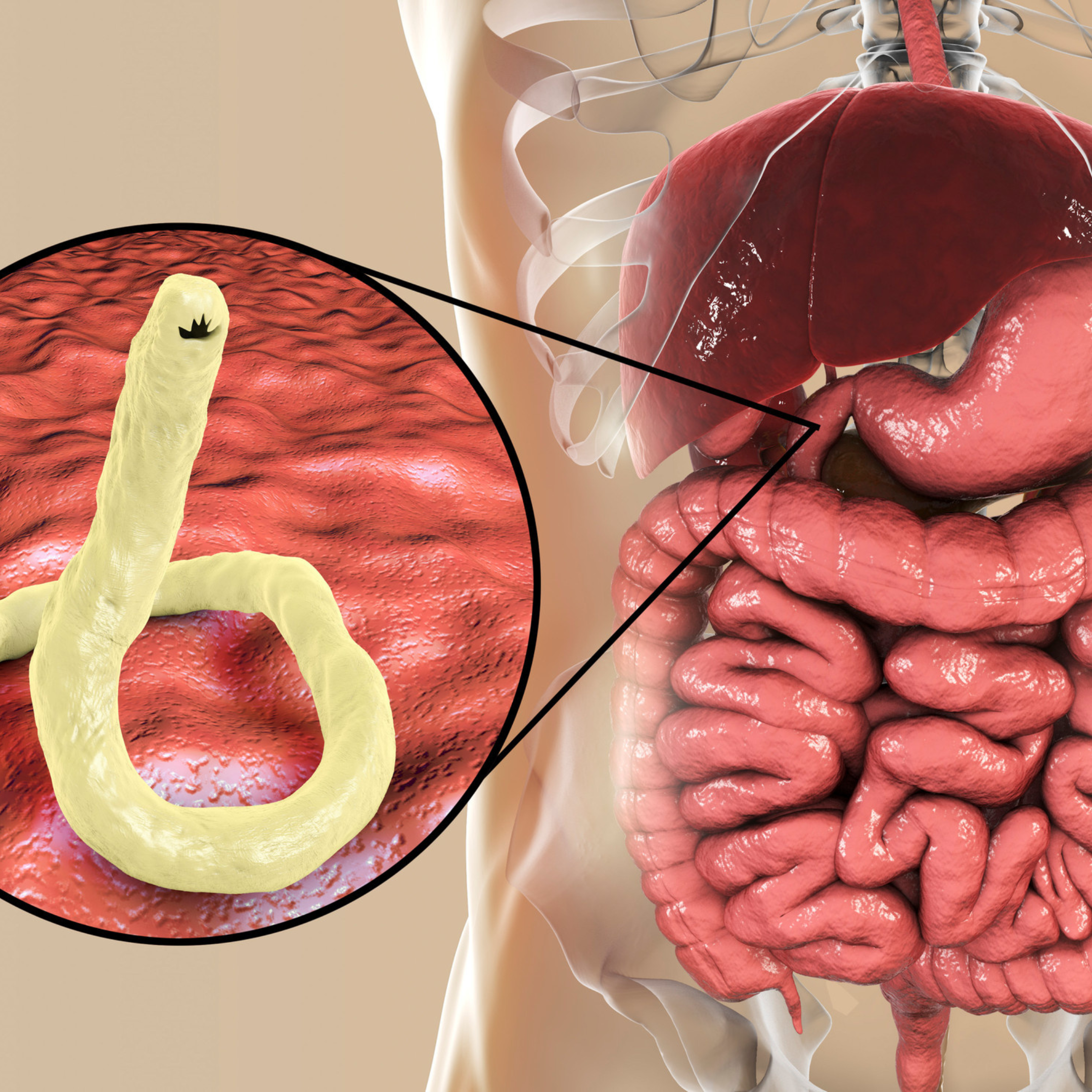
What You Should Know About Doing a Parasite Cleanse
Parasites can be hidden culprits behind digestive issues, fatigue, skin problems, and more. In this guide, learn what a parasite cleanse is, signs that you might need one, and how to detox safely and effectively. With insights from a wellness coach, find out how a cleanse can boost your energy, improve digestion, and help you feel your best.

Parasites are often the unwanted guests that invade our bodies, sometimes without us even realizing it. As a root cause practitioner and health wellness coach, I frequently encounter questions about parasites and the idea of doing a parasite cleanse. In this blog post, I’ll share everything you need to know about parasite cleanses, including their benefits, the signs you might need one, and how to approach the process safely and effectively.
Understanding Parasites
Before diving into the specifics of a parasite cleanse, let’s clarify what parasites are. Parasites are organisms that live on or in a host (that’s you) and rely on that host for survival. They can take various forms, including:
Protozoa: Single-celled organisms, such as Giardia and amoebae.
Helminths: Worms, including roundworms, tapeworms, and flukes.
Ectoparasites: Organisms like ticks and fleas that live on the outside of the host.
While we often think of parasites as something you might pick up from traveling or consuming contaminated food, they can be more common than you think. In fact, estimates suggest that nearly one in four people globally may be affected by parasitic infections.
Signs You Might Need a Parasite Cleanse
Many people may not even know they have parasites, as symptoms can be subtle or mistaken for other health issues. Here are some signs that might indicate a need for a parasite cleanse:
Digestive Issues: Chronic bloating, gas, diarrhea, or constipation can all be signs of a parasitic infection.
Unexplained Weight Changes: Sudden weight loss or gain without changes in diet or exercise can be linked to parasites.
Fatigue: Persistent tiredness or a feeling of exhaustion can be a result of the body fighting off a parasite.
Skin Issues: Rashes, eczema, or acne that don’t respond to typical treatments may be linked to an underlying parasitic issue.
Mood Swings or Brain Fog: Parasites can affect your mental clarity, leading to anxiety, depression, or difficulty concentrating.
Food Cravings: Unusual cravings for sugar or specific foods can sometimes be attributed to parasites manipulating your appetite.
If you’re experiencing any of these symptoms, it’s worth consulting with a healthcare professional who can help determine if a parasite cleanse is appropriate for you.
The Benefits of a Parasite Cleanse
The idea of doing a parasite cleanse can seem daunting, but it can also bring several potential benefits:
Improved Digestion: A cleanse can help reset your digestive system, reducing bloating and discomfort.
Increased Energy Levels: By eliminating parasites, your body may function more efficiently, leading to increased energy and vitality.
Enhanced Nutrient Absorption: Parasites can interfere with nutrient absorption. Cleansing can help your body better utilize the nutrients you consume.
Clearer Skin and Improved Mood: Many people report improvements in their skin and mental clarity after a cleanse.
How to Safely Do a Parasite Cleanse
If you decide to pursue a parasite cleanse, it’s essential to approach it thoughtfully and safely. Here are some key steps to consider:
1. Consult a Professional
Before starting any cleanse, consult with a wellness professional who understands your unique health situation. They can guide you based on your specific needs and any underlying health conditions.
2. Start by Opening up Drainage Pathways
If you aren’t addressing kidneys, liver, lymphatic system, glymphatic system etc BEFORE starting a cleanse, there is a much higher chance you will have detox or “herx” symptoms. The prep phase of a cleanse is the most important! You also need to ensure you are having a least 1 bowel movement/day.
3. Focus on Diet
A healthy diet can enhance the effectiveness of a parasite cleanse. Focus on whole foods, such as:
Fresh fruits and vegetables: Especially those high in fiber, which can aid digestion.
Clean Protein: grass fed + pasture raised
Bone broth: Known for its gut-healing properties.
Parasite Killing foods like: garlic + pumpkin seeds
Limit processed foods, sugar, and alcohol, as these can feed parasites and hinder your progress.
4. Stay Hydrated
Water is crucial during any cleanse. Aim to drink plenty of fluids to help flush out toxins and support your body’s natural detoxification processes. Add minerals to bring the water INTO the cells.
5. Monitor Your Symptoms
As you undergo a parasite cleanse, keep track of any changes in your symptoms. This will help you assess the effectiveness of the cleanse and communicate any concerns with your healthcare provider.
6. Follow Up
After completing your cleanse, consider a follow-up with your wellness practitioner/guide. They can assess your progress and suggest any further steps, if necessary.
Final Thoughts
A parasite cleanse can be a beneficial part of your wellness journey if approached with care and understanding. By recognizing the signs of a parasitic infection and knowing how to cleanse safely, you can take proactive steps toward improved health and vitality.
Remember, always prioritize working with a qualified wellness professional to ensure that your cleanse is tailored to your individual needs and health status. Your body is your most valuable asset—treat it with the care and respect it deserves!
Join my WBC Group Parasite Cleanse
Let's get those things OUT!e

The Power of Meditation: Unlocking Inner Peace and Wellness
In a world full of distractions and stress, meditation offers a powerful tool to reconnect with yourself and find inner peace. This blog explores how meditation reduces stress, enhances emotional well-being, and promotes mindfulness in everyday life. Whether you’re a beginner or looking to deepen your practice, learn how to unlock the benefits of meditation and bring calm to your busy world.

In today’s fast-paced world, we’re constantly bombarded with distractions, demands, and stressors that leave us feeling disconnected, anxious, and exhausted. Many of us are searching for ways to reclaim our sense of calm and well-being, to find a deeper connection to ourselves, and to live more fully in the present moment. As a wellness coach and root cause practitioner, I’ve seen firsthand how meditation can be one of the most transformative tools to achieve just that.
Meditation isn’t just about sitting still with your eyes closed—it’s about learning to be present, to tune into the subtleties of your mind and body, and to tap into a wellspring of peace that’s available within you, no matter what’s happening outside of you.
Why Meditation?
You might ask, “Why meditation? I don’t have time to sit still!” But that’s exactly why you need it. Meditation is the antidote to the constant noise of life. It helps us pause and reconnect with ourselves. When you meditate, you’re not trying to stop your thoughts; instead, you’re building awareness of them without judgment. It’s like going to the gym, but instead of strengthening your muscles, you’re training your mind.
And the benefits go far beyond just feeling relaxed for a few minutes. Studies have shown that meditation can:
Reduce stress by lowering cortisol levels
Improve focus and cognitive function
Enhance emotional health, helping to manage anxiety and depression
Promote better sleep and improve sleep quality
Boost self-awareness, leading to a deeper understanding of your emotions and behaviors
Lower blood pressure and improve heart health
But beyond the science, there’s something even more profound that happens when you meditate regularly: you start to feel more connected to your true self.
My Journey with Meditation
I remember when I first started meditating. Like many people, I was skeptical. Sitting still for 10 minutes felt like torture—my mind would race, my body would itch, and I kept glancing at the clock. But after a few weeks of consistent practice, something shifted. I wasn’t just calmer after meditating; I was calmer throughout the day. The small irritations and stresses that used to throw me off balance no longer had the same power over me. I started to feel like I was regaining control over my inner world.
This is what I see with my clients, too. Often, they come to me feeling overwhelmed, disconnected, or stuck. After incorporating meditation into their routine, they start to see those small, subtle shifts. They become more aware of their thoughts and reactions, and over time, they start to feel more grounded, more in control, and more at peace.
The Root Cause Connection
As a root cause practitioner, I’ve seen that much of the stress, anxiety, and emotional discomfort we experience stems from unaddressed thoughts and unresolved emotions. Meditation allows us to pause and listen to what our bodies and minds are telling us. It gives us space to notice patterns, beliefs, or fears that we may not have realized were running the show.
For example, many people carry chronic tension in their bodies without realizing it. Through meditation, they begin to notice the tightness in their shoulders or jaw and can then connect that physical tension to an emotional or mental trigger. By bringing awareness to these root causes, meditation offers a pathway to healing—not just managing symptoms, but addressing the deeper issues underneath.
How to Get Started
If you’ve never meditated before, or if you’ve tried and felt like you “failed” (trust me, there’s no such thing as failing at meditation), here are a few simple steps to get started:
Start Small: You don’t need to meditate for an hour. Start with just 5 minutes. Find a quiet space where you won’t be interrupted. Set a timer, close your eyes, and focus on your breath.
Focus on the Breath: Pay attention to the sensation of your breath as it enters and leaves your nostrils. If your mind wanders (and it will!), simply notice that it wandered and gently bring your focus back to your breath.
Use Guided Meditations: If sitting in silence feels too daunting, try a guided meditation. There are countless apps and online resources that offer guided sessions for beginners. Listening to someone else’s voice can help you stay focused and calm.
Be Kind to Yourself: Meditation is not about achieving a perfect state of mind. Some days you’ll feel deeply relaxed, and other days your mind will feel like a pinball machine. Both experiences are valid. Be patient and gentle with yourself.
Practice Consistency: The real benefits of meditation come from regular practice. Try to meditate at the same time each day, whether it’s in the morning to start your day with clarity or at night to unwind before bed.
Incorporating Meditation into Daily Life One of the most beautiful things about meditation is that its effects don’t stop when you get up from your cushion. Over time, you’ll notice that you’re able to bring mindfulness into your daily life. Whether you’re stuck in traffic, having a difficult conversation, or facing a stressful deadline at work, you can bring the same awareness and presence you cultivate in meditation to those moments.
For instance, you might notice your breath when you feel yourself becoming stressed or frustrated, or you might catch negative thoughts spiraling and gently redirect them. Meditation helps us respond to life from a place of calm rather than reacting from a place of stress.
The Takeaway Meditation isn’t about being perfect or reaching some enlightened state. It’s about showing up for yourself, day after day, and learning to be present with whatever is happening in your mind and body. It’s about creating a space of stillness amidst the chaos of life, a place where you can return to whenever you need to.
As a wellness coach and root cause practitioner, I’ve seen the power of meditation transform lives—from reducing stress and anxiety to fostering a deeper sense of peace and connection to oneself. If you’ve been curious about meditation, now is the perfect time to start. You don’t need to wait for the “right” time, the “right” circumstances, or the “right” mindset. All you need is a few minutes, an open heart, and a willingness to explore what’s possible within you.
So, take a deep breath, find a quiet corner, and start today. Your future self will thank you.

Latest in Cancer Research: Aspirin Cuts Colorectal Cancer Risk!
New research reveals that regular aspirin use may significantly reduce the risk of colorectal cancer, especially in individuals with less healthy lifestyle habits. This blog explores the anticancer properties of aspirin, its history, and its potential role in preventing cancer. Discover why this simple, widely available medication continues to impress researchers in the fight against cancer!

For years, aspirin has been hailed as a wonder drug. It's one of the most well-researched tools in medicine, offering a range of benefits that continue to surprise us. I love discussing aspirin because it’s so simple, accessible, and has countless applications in medicine. From diabetes to cardiovascular disease, multiple sclerosis, and even cancer—aspirin has proven to be effective in many areas. Yet, it often gets overlooked, especially in the field of oncology. Despite its decline in popularity following the rise of acetaminophen in the 1950s, aspirin remains a powerful, underutilized tool.
A Brief History of Aspirin
Aspirin's origins trace back to the bark of the willow tree, which contains salicylates—compounds used for centuries to relieve pain and reduce inflammation. Long before we understood its biochemical mechanisms, ancient civilizations like the Egyptians and Greeks turned to willow bark for natural relief from headaches, fevers, and joint pain. It wasn’t until the late 19th century that the modern formulation of aspirin was developed, and since then, it has become a staple in medicine cabinets worldwide.
Aspirin’s Anticancer Properties
Aspirin's value extends beyond simple pain relief—research shows it has multiple anticancer mechanisms, including:
Reducing inflammation: Chronic inflammation is linked to cancer progression.
Lowering blood clotting: Thrombosis can increase cancer risk and spread.
Reducing lipolysis: The breakdown of fats can fuel cancer progression.
Inhibiting angiogenesis: Aspirin reduces the formation of new blood vessels to tumors, which helps to slow growth.
Acting as an antioxidant: It neutralizes harmful free radicals that can damage cells.
Counteracting estrogen: It may offset estrogen's role in cancer development, especially hormone-sensitive cancers.
Mitigating the effects of seed oils: Aspirin may reduce inflammation caused by unhealthy fats.
Restoring mitochondrial function: Healthy mitochondria are crucial in preventing cancer.
Improving glucose metabolism: Proper glucose regulation plays a key role in preventing cancer.
I delve deeper into some of these mechanisms in a previous post, but the list above gives you a sense of aspirin’s broad-spectrum potential.
New Research: Aspirin and Colorectal Cancer
One of the most exciting areas of research right now is aspirin’s potential role in reducing the risk of colorectal cancer (CRC). A large study published in JAMA Oncology in August followed 107,655 participants over 30 years and found that regular aspirin use—defined as two or more standard tablets per week—was associated with a significant decrease in the risk of CRC.
Interestingly, the study revealed that the protective benefits of aspirin were most significant in individuals with unhealthy lifestyle habits. Those with less healthy diets, higher alcohol intake, or less physical activity experienced a greater reduction in CRC risk compared to those who already had healthier habits. This suggests that aspirin’s protective effects might be particularly valuable for individuals whose lifestyle choices put them at a higher risk for cancer.
Addressing Concerns About Aspirin and Digestive Health
While aspirin is often cautioned against due to potential digestive side effects, such as stomach ulcers or gastrointestinal bleeding, there’s a growing body of research that suggests it may actually be protective in some cases. For instance, one study found that low-dose aspirin is linked to a 54% reduced risk of gastric cancer. Additionally, there is evidence suggesting that aspirin might help mitigate the effects of gluten sensitivity.
That said, there’s definitely some nuance here. Extremely high doses or prolonged use can increase the risk of digestive issues, but low-to-moderate doses taken responsibly may offer significant benefits without the same level of risk.
A Word of Caution
As with any medication, aspirin should be used with care. While the research is promising, it’s crucial to remember that aspirin is a drug, and it’s not for everyone. I share this information purely for educational purposes, not as medical advice. Personally, I use aspirin only when needed and recommend you consult your physician before taking any over-the-counter drugs or making changes to your health routine.
Aspirin may not be a silver bullet, but it continues to impress with its wide-ranging benefits, particularly in reducing cancer risks like colorectal cancer. Stay informed, be cautious, and always prioritize a well-rounded approach to health! 😊

How Much Should You Really Eat? A Real, Honest Look at Finding Balance
How much should you really eat? It’s not just about counting calories or portion sizes—it’s about tuning into your body’s true needs. In this post, we explore why hunger cues can be misleading, how external factors like stress and light exposure disrupt them, and practical steps to reconnect with your body’s natural signals. Discover a balanced, intuitive approach to eating that goes beyond restriction and helps you nourish yourself from the inside out.

We’ve all been there—staring at a plate of food, asking ourselves, “Am I eating too much? Should I have more? What’s the right amount?” It’s a question that can lead to confusion, frustration, and guilt. But the truth is, finding balance with food is much deeper than simply counting calories or following portion size recommendations.
As a root cause practitioner, I’ve learned that how much we should eat goes far beyond just biology or metabolism. It’s about listening to our bodies, understanding the energy exchanges happening at the cellular level, and tuning into our emotions. The truth is, we can’t always trust our hunger cues—they can be easily disrupted by environmental factors, emotional states, and even misalignment in our body's energy.
Hunger Cues: Why They Can Be Misleading
Here’s the reality: your hunger signals are controlled by hormones like ghrelin (which stimulates hunger) and leptin (which signals fullness). Ideally, these hormones keep you in tune with your body’s needs. However, in today's world, things like stress, poor sleep, overexposure to blue light, and processed foods can throw these signals out of balance. This leads to either overeating or undereating—you either don’t feel full when you should, or you miss hunger cues entirely.
But it goes even deeper than that. From a quantum biology perspective, our body’s energy exchange is influenced by more than just food. Our cells communicate using bio-photons (tiny particles of light), which are crucial for regulating not only our metabolism but also how our body interprets hunger. When this system is out of sync—due to artificial light exposure, EMFs, or even emotional stress—it can lead to a misalignment in our hunger cues.
Tuning Into Your Body's True Needs
The popular advice of “listening to your body” only works if your body is in balance. But if you’re constantly being bombarded by external factors—like the blue light from your screens late at night, which can disrupt melatonin production and throw off your circadian rhythm—your hunger and fullness cues might not be reliable.
That’s why it’s important to approach food from a root-cause, quantum biology perspective. Here’s how to get started:
Reconnect with Your Energy Levels: Quantum biology teaches us that everything, including food, is energy. Pay attention to how you feel after eating certain foods. Do you feel energized and balanced, or sluggish and disconnected? Your body is always giving feedback.
Use Light and Nature to Reset Your Rhythm: Expose yourself to natural sunlight in the morning to reset your circadian rhythm. This helps align your body with its natural hunger and fullness cues, preventing late-night cravings that arise from disrupted rhythms.
Slow Down and Be Present: Many of us eat too quickly, bypassing our body's fullness signals. Practice mindful eating by slowing down, chewing more thoroughly, and paying attention to how your body feels. This allows your brain to catch up with your stomach.
Why We Struggle With How Much to Eat
The struggle with food often comes from emotional needs, not physical hunger. Emotional eating happens when we use food to soothe stress, sadness, or boredom. But here's the thing: emotional eating isn't inherently bad—it's a coping mechanism. The key is recognizing when you're eating for emotional reasons versus physical hunger.
Diet culture only worsens this disconnection by telling us to "eat less" or restrict certain foods. This leads to chronic under-eating or over-eating because our body’s natural rhythms are no longer trusted. We end up over-riding what our body truly needs with rigid rules that ignore our unique physiology.
Reconnecting with Your Body’s Cues
At its core, the path to knowing how much you should eat is about getting back in touch with your body. But it's not as simple as just “listening to your hunger.” Since your cues can be influenced by external factors, here are a few steps you can take to reconnect with your body:
Tune Into Your Emotions: Before you eat, pause and ask yourself: Am I physically hungry, or am I eating because of stress or boredom? Identifying your emotions can help you make more conscious food choices.
Eat Slowly and Mindfully: Slowing down gives your body time to register fullness. Chew your food thoroughly and savor each bite, so your brain has time to process the signals from your stomach.
Pay Attention to Light Exposure: In quantum biology, we know that the body's internal clock is regulated by light. Too much artificial light, especially blue light from devices, can disrupt your hunger and sleep hormones. Try to limit screen time in the evening, and get plenty of natural sunlight during the day.
Nourish Based on Your Body's Needs: Some days you might feel hungrier due to higher activity levels or increased stress. Trust your body’s need for energy on those days, and provide it with nutrient-dense, whole foods to support your cellular functions.
Healing Your Relationship with Food
Finding balance with food isn’t about control or restriction—it’s about understanding your body’s unique needs and supporting it energetically and biologically. Our relationship with food is often influenced by stress, sleep, hormones, and even the type of light we’re exposed to daily. This is where quantum biology gives us a deeper understanding of how these external forces influence our internal cues.
By learning to reconnect with your body and its signals, while also being aware of the factors that disrupt your hunger and fullness cues, you can begin to trust your body again. This is not about “perfect eating”—it’s about finding what works for you, each day, based on your energy, emotions, and true hunger.
At the end of the day, only your body knows how much you really need. The key is learning to tune into your own biofeedback while recognizing the external influences that may throw you off. It takes practice and patience, but the reward is a more balanced, intuitive relationship with food that supports your overall wellness, energy, and vitality.
If you’re ready to dive deeper into this process, we can help you explore your relationship with food at a more foundational level—working to understand not just how much you should eat, but why your body is asking for certain foods, and how to give it what it truly needs. Let's nourish from a place of balance, not restriction.
Ready to Take Control of Your Health? Say goodbye to the guesswork and hello to real, sustainable results. 🔥
✨ Join Keto by Carli — your step-by-step guide to living a fat-fueled, energized life!
✔️ Learn exactly what to eat
✔️ Cut the cravings
✔️ Reset your body (and mindset!)
✔️ Get the support and accountability you need
💥 It's time to get those carbs OUT and your confidence UP. Click below to join the movement — your keto journey starts right now! 👇
Join My Keto Class at https://www.wellnessbycarli.com/keto-by-carli