
The HPA Axis: Your Body’s Stress Symphony (and How to Keep It in Harmony) By Carli Kilgore
Ever feel wired but tired, running on empty, or like your body’s in constant overdrive? It could be your HPA axis calling for help. This intricate stress-response system is at the core of your energy, hormones, sleep, and mood. In this blog, we’ll unpack what the HPA axis is, how chronic stress throws it off balance, and most importantly—how to gently restore it using root cause, whole-body healing. Your body’s not broken—it’s protecting you. Let’s help it feel safe again.

When we talk about stress, adrenal fatigue, burnout, or even hormonal imbalances, there’s one key system at the center of it all: the HPA Axis. Think of it as your body’s stress conductor—quietly orchestrating how you respond to the world around you, minute by minute, day by day.
But what is the HPA axis exactly, and why does it matter so much for your health and healing?
Let’s dive in.
💡 What is the HPA Axis?
The HPA axis stands for the Hypothalamic-Pituitary-Adrenal axis. It's a dynamic communication network between three major glands:
Hypothalamus (in the brain) – The control center, sensing changes and sending out the first signal.
Pituitary gland (also in the brain) – The messenger, receiving signals from the hypothalamus and directing the adrenal glands.
Adrenal glands (on top of the kidneys) – The doers, releasing cortisol and other stress hormones in response to the signals they receive.
This trio works together to manage your stress response, regulate energy, influence your immune system, control blood pressure, and even affect digestion and mood.
🧠 Stress & the HPA Axis: A Delicate Balance
Your HPA axis is beautifully designed to help you survive a threat—a lion chasing you, a car cutting you off, or a big work presentation. In short bursts, cortisol (your primary stress hormone) is adaptive. It sharpens your mind, raises your blood sugar, and readies your muscles.
But here’s the catch…
Chronic, unrelenting stress—from deadlines, poor sleep, toxic relationships, blood sugar dips, overtraining, or even inflammation—keeps this system "on" all the time. That’s when problems start.
🛑 What Happens When the HPA Axis Goes Off Track?
When your HPA axis is chronically activated, it starts to misfire. Over time, this can lead to what's often called HPA axis dysregulation (formerly known as adrenal fatigue). It’s not that your adrenals are “tired,” but rather the entire communication loop is off.
Symptoms can include:
Fatigue (especially in the morning or mid-afternoon)
Difficulty sleeping (wired but tired at night)
Cravings for salt, sugar, or caffeine
Anxiety or feeling "on edge"
Brain fog and poor memory
Low libido
Hormonal imbalances (e.g., PMS, irregular periods, low testosterone)
Immune dysfunction (frequent colds or autoimmunity)
Sound familiar?
🔍 Getting to the Root: What’s Driving Your HPA Dysregulation?
As a root cause practitioner, we don’t just look at symptoms—we ask why. What’s behind the HPA imbalance?
Here are common contributors:
Emotional stress – trauma, grief, work overload, perfectionism
Inflammation – gut issues, infections, toxins, food sensitivities
Blood sugar imbalances – skipping meals, sugar highs and crashes
Poor sleep quality – not just hours, but restorative sleep
Circadian rhythm disruption – blue light at night, shift work, irregular schedules
Overtraining or under-recovery – especially in women and high achievers
🛠 How to Rewire and Support Your HPA Axis (Naturally)
Healing the HPA axis is not about popping an adaptogen and hoping for the best. It's about creating safety in the body, consistency in your rhythms, and reconnection with your body’s needs.
Here’s where we start:
1. Nourish Regularly & Stabilize Blood Sugar
Eat balanced meals with protein, fat, and fiber
Ditch intermittent fasting if you're burnt out—it’s not for everyone
Keep snacks handy (especially if you crash mid-morning or mid-afternoon)
2. Prioritize Deep, Restorative Sleep
Get morning sunlight to anchor your circadian rhythm
Shut down screens an hour before bed
Consider magnesium, glycine, or calming herbs (under guidance)
3. Embrace Nervous System Regulation
Breathwork, meditation, somatic practices, EFT, or yoga
Even 10 minutes a day can shift your state from “fight or flight” to “rest and repair”
4. Honor Your Energy Cycles
Match your workouts to your energy (hint: not every day needs to be high-intensity)
Build in true rest days—guilt-free
5. Use Targeted Supplementation (When Needed)
Adaptogens like ashwagandha, rhodiola, holy basil
Nutrients like B vitamins, vitamin C, magnesium, and electrolytes
Functional testing to tailor support (e.g., DUTCH test, salivary cortisol)
❤️ Final Thoughts: Your Body Wants to Heal
The HPA axis isn’t broken—it’s adaptive. It’s doing its best to protect you based on the signals it’s receiving. When you begin to shift those inputs—physically, emotionally, environmentally—you help your body feel safe again.
And from that place of safety, healing becomes not just possible—but inevitable.
Ready to rebalance your HPA axis and reclaim your energy?
Let’s work together to get to the root and build resilience from the inside out.
Want to learn more about Stress Reset?
Watch this podcast on Youtube about
The Stress Reset Protocol: How to Calm Your Brain & Body for Good
👇👇👇
Instagram post:
👇👇👇
Trauma & Unresolved Stress Keep You Stuck in Freeze Mode
https://www.instagram.com/p/DITsWcLpjKC/?utm_source=ig_web_copy_link&igsh=MzRlODBiNWFlZA==
What You Should Know About Doing a Parasite Cleanse
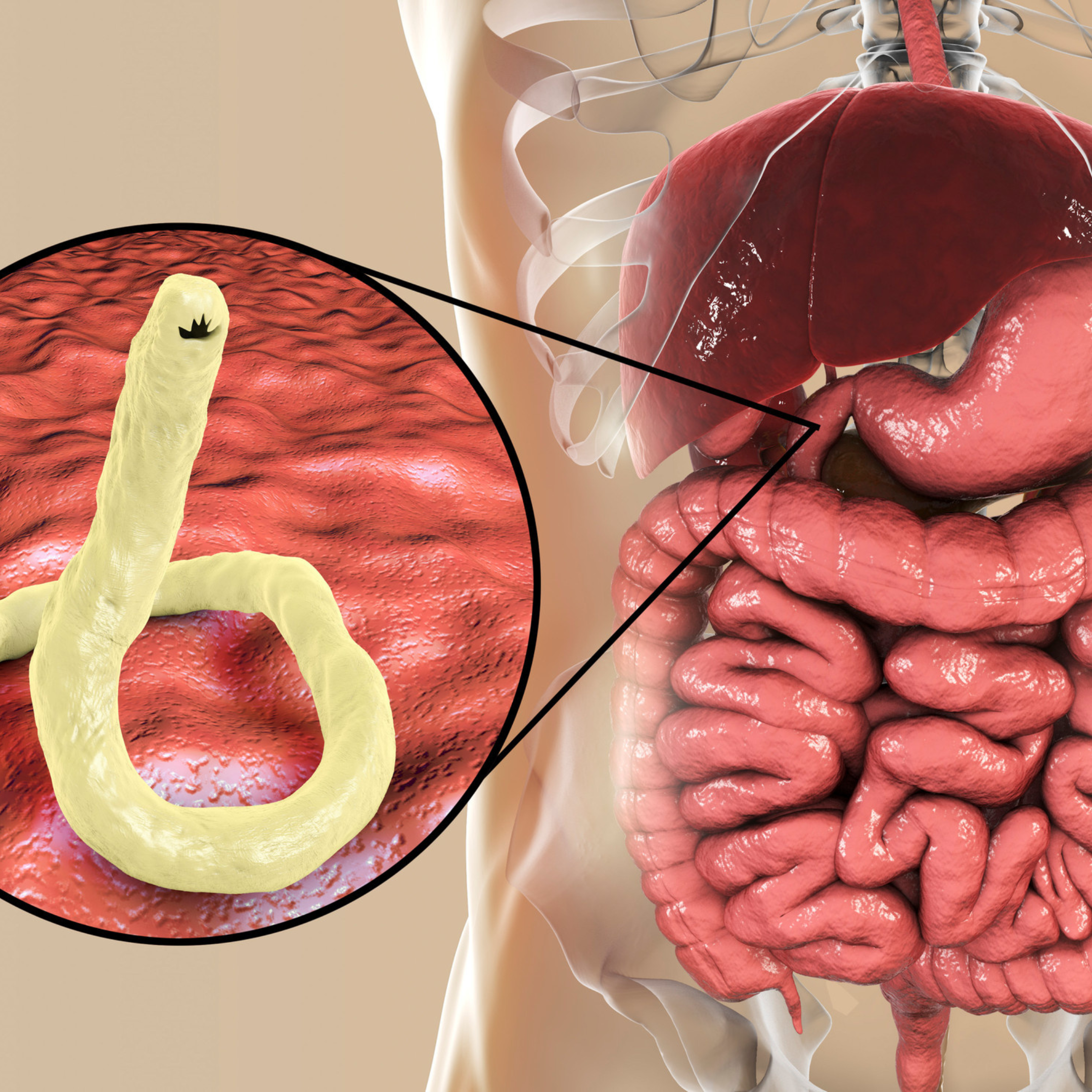
Parasites can be hidden culprits behind digestive issues, fatigue, skin problems, and more. In this guide, learn what a parasite cleanse is, signs that you might need one, and how to detox safely and effectively. With insights from a wellness coach, find out how a cleanse can boost your energy, improve digestion, and help you feel your best.

Parasites are often the unwanted guests that invade our bodies, sometimes without us even realizing it. As a root cause practitioner and health wellness coach, I frequently encounter questions about parasites and the idea of doing a parasite cleanse. In this blog post, I’ll share everything you need to know about parasite cleanses, including their benefits, the signs you might need one, and how to approach the process safely and effectively.
Understanding Parasites
Before diving into the specifics of a parasite cleanse, let’s clarify what parasites are. Parasites are organisms that live on or in a host (that’s you) and rely on that host for survival. They can take various forms, including:
Protozoa: Single-celled organisms, such as Giardia and amoebae.
Helminths: Worms, including roundworms, tapeworms, and flukes.
Ectoparasites: Organisms like ticks and fleas that live on the outside of the host.
While we often think of parasites as something you might pick up from traveling or consuming contaminated food, they can be more common than you think. In fact, estimates suggest that nearly one in four people globally may be affected by parasitic infections.
Signs You Might Need a Parasite Cleanse
Many people may not even know they have parasites, as symptoms can be subtle or mistaken for other health issues. Here are some signs that might indicate a need for a parasite cleanse:
Digestive Issues: Chronic bloating, gas, diarrhea, or constipation can all be signs of a parasitic infection.
Unexplained Weight Changes: Sudden weight loss or gain without changes in diet or exercise can be linked to parasites.
Fatigue: Persistent tiredness or a feeling of exhaustion can be a result of the body fighting off a parasite.
Skin Issues: Rashes, eczema, or acne that don’t respond to typical treatments may be linked to an underlying parasitic issue.
Mood Swings or Brain Fog: Parasites can affect your mental clarity, leading to anxiety, depression, or difficulty concentrating.
Food Cravings: Unusual cravings for sugar or specific foods can sometimes be attributed to parasites manipulating your appetite.
If you’re experiencing any of these symptoms, it’s worth consulting with a healthcare professional who can help determine if a parasite cleanse is appropriate for you.
The Benefits of a Parasite Cleanse
The idea of doing a parasite cleanse can seem daunting, but it can also bring several potential benefits:
Improved Digestion: A cleanse can help reset your digestive system, reducing bloating and discomfort.
Increased Energy Levels: By eliminating parasites, your body may function more efficiently, leading to increased energy and vitality.
Enhanced Nutrient Absorption: Parasites can interfere with nutrient absorption. Cleansing can help your body better utilize the nutrients you consume.
Clearer Skin and Improved Mood: Many people report improvements in their skin and mental clarity after a cleanse.
How to Safely Do a Parasite Cleanse
If you decide to pursue a parasite cleanse, it’s essential to approach it thoughtfully and safely. Here are some key steps to consider:
1. Consult a Professional
Before starting any cleanse, consult with a wellness professional who understands your unique health situation. They can guide you based on your specific needs and any underlying health conditions.
2. Start by Opening up Drainage Pathways
If you aren’t addressing kidneys, liver, lymphatic system, glymphatic system etc BEFORE starting a cleanse, there is a much higher chance you will have detox or “herx” symptoms. The prep phase of a cleanse is the most important! You also need to ensure you are having a least 1 bowel movement/day.
3. Focus on Diet
A healthy diet can enhance the effectiveness of a parasite cleanse. Focus on whole foods, such as:
Fresh fruits and vegetables: Especially those high in fiber, which can aid digestion.
Clean Protein: grass fed + pasture raised
Bone broth: Known for its gut-healing properties.
Parasite Killing foods like: garlic + pumpkin seeds
Limit processed foods, sugar, and alcohol, as these can feed parasites and hinder your progress.
4. Stay Hydrated
Water is crucial during any cleanse. Aim to drink plenty of fluids to help flush out toxins and support your body’s natural detoxification processes. Add minerals to bring the water INTO the cells.
5. Monitor Your Symptoms
As you undergo a parasite cleanse, keep track of any changes in your symptoms. This will help you assess the effectiveness of the cleanse and communicate any concerns with your healthcare provider.
6. Follow Up
After completing your cleanse, consider a follow-up with your wellness practitioner/guide. They can assess your progress and suggest any further steps, if necessary.
Final Thoughts
A parasite cleanse can be a beneficial part of your wellness journey if approached with care and understanding. By recognizing the signs of a parasitic infection and knowing how to cleanse safely, you can take proactive steps toward improved health and vitality.
Remember, always prioritize working with a qualified wellness professional to ensure that your cleanse is tailored to your individual needs and health status. Your body is your most valuable asset—treat it with the care and respect it deserves!
Join my WBC Group Parasite Cleanse