
Uncovering the Root of Your Health Issues: Why Deeper Healing is the Key to Lasting Wellness
Are you stuck in a cycle of trial and error with your health? True healing goes beyond quick fixes like supplements or diets—it requires uncovering the root causes of your issues. In this blog, we explore why deeper healing is essential and dive into the three foundational pillars—nervous system regulation, spiritual hygiene, and somatic processing—that can help you achieve lasting wellness.

When we face persistent health challenges, it’s easy to reach for the quick fixes—supplements, diets, and lifestyle hacks that promise relief. But what if I told you that true healing requires going deeper? Without addressing the root causes of your issues, these solutions are often just temporary band-aids.
As a root cause practitioner and wellness consultant, I’ve seen it all—and I’ve been there myself. I spent years stuck in the trial-and-error phase, following advice that only scratched the surface of what my body truly needed. Supplements that were life changing for other people didn’t seem to move the needle at all for me. It wasn’t until I dove into the deeper layers of healing that everything changed.
In this blog, we’ll explore why addressing deeper energetic, emotional, and physiological imbalances is essential for overcoming health challenges. We’ll also look at the three foundational pillars of healing that can help you finally move beyond the cycle of frustration and toward lasting transformation.
Why Quick Fixes Fall Short
When health issues arise, the first instinct is often to address the symptoms. And while supplements, dietary changes, and lifestyle shifts can be helpful, they won’t solve the underlying problem if the root cause remains unaddressed.
Think of it this way: if you have a plant with withering leaves, you don’t fix it by polishing the leaves—you go straight to the roots. The same principle applies to our bodies. The symptoms we experience are signals of deeper imbalances, and ignoring these signals only prolongs the healing process.
Without tackling the core issues—like emotional trauma, nervous system dysregulation, or unresolved energetic blockages—healing becomes an uphill battle.
The Three Pillars of Deep Healing
If you’re ready to go beyond surface-level fixes, these three foundational areas are where your healing journey should begin:
1. Nervous System Regulation
Your body cannot heal in a state of chronic stress. When your nervous system is dysregulated—constantly pumping out stress hormones—it sends a signal to your body that it’s not safe to relax or repair.
This can lead to:
Lowered immune defenses
A leaky gut, where toxins and pathogens enter your system
Hormonal imbalances
To create an environment where healing can occur, it’s essential to calm your nervous system. Practices like breathwork, meditation, and grounding exercises can help, but the key is consistency and finding what works for you.
2. Spiritual Hygiene
Healing isn’t just physical; it’s deeply spiritual. Many of the health issues we face are tied to unresolved emotional wounds, limiting beliefs, and patterns stored in the subconscious mind.
Spiritual hygiene involves:
Healing past traumas and inner child wounds
Letting go of ego-driven fears
Cultivating a deeper connection with yourself
When you work through these layers, your body no longer has to carry the burden of unresolved emotions, and it can begin to release what no longer serves you.
3. Somatic Processing
Your body stores memories, emotions, and traumas at a cellular level. To release this energetic residue, you must engage in somatic processing—a practice that allows you to feel and move through these experiences rather than suppressing them.
This can involve:
Movement practices like dance or yoga
Breathwork and body scans
Spending time in nature
Working with a practitioner who can guide you through deeper emotional releases
As uncomfortable as it might seem, feeling into these stored experiences is how you create space for healing and growth.
Beyond Band-Aids: A Holistic Approach to Healing
In addition to the deeper work, addressing physical imbalances is still crucial. Common contributors to chronic health challenges include:
Mineral imbalances
Low stomach acid
Poor lymphatic drainage or bile flow
Gut dysbiosis or overgrowths
However, these tangible elements are much easier to correct when your nervous system is regulated, your emotional wounds are addressed, and your body is energetically ready to heal.
Why You Don’t Have to Do This Alone
I know how overwhelming this can feel—I’ve been there. Healing isn’t a linear process, and it often requires the support of someone who has walked the path before you.
If you’re ready to move beyond the trial-and-error phase and uncover the true roots of your health issues, I’m here to help. Together, we can address your physical, emotional, and spiritual imbalances and create a personalized roadmap for lasting wellness.
Healing is possible when you approach it from the inside out. Let’s work together to help you feel vibrant, whole, and truly well again.
Join my WBC Group Parasite Cleanse and let’s get those unwanted guests OUT — for GOOD! 🪱💥
👉 If you're tired of feeling bloated, foggy, sluggish, or just off... this is your sign. It’s time to reset your gut, boost your energy, and reclaim your body.
💪 Group support, step-by-step guidance, and real results. You’re NOT doing this alone — we’re doing it together. 💯
Let’s get those things OUT! 👇🏻👇🏻👇🏻
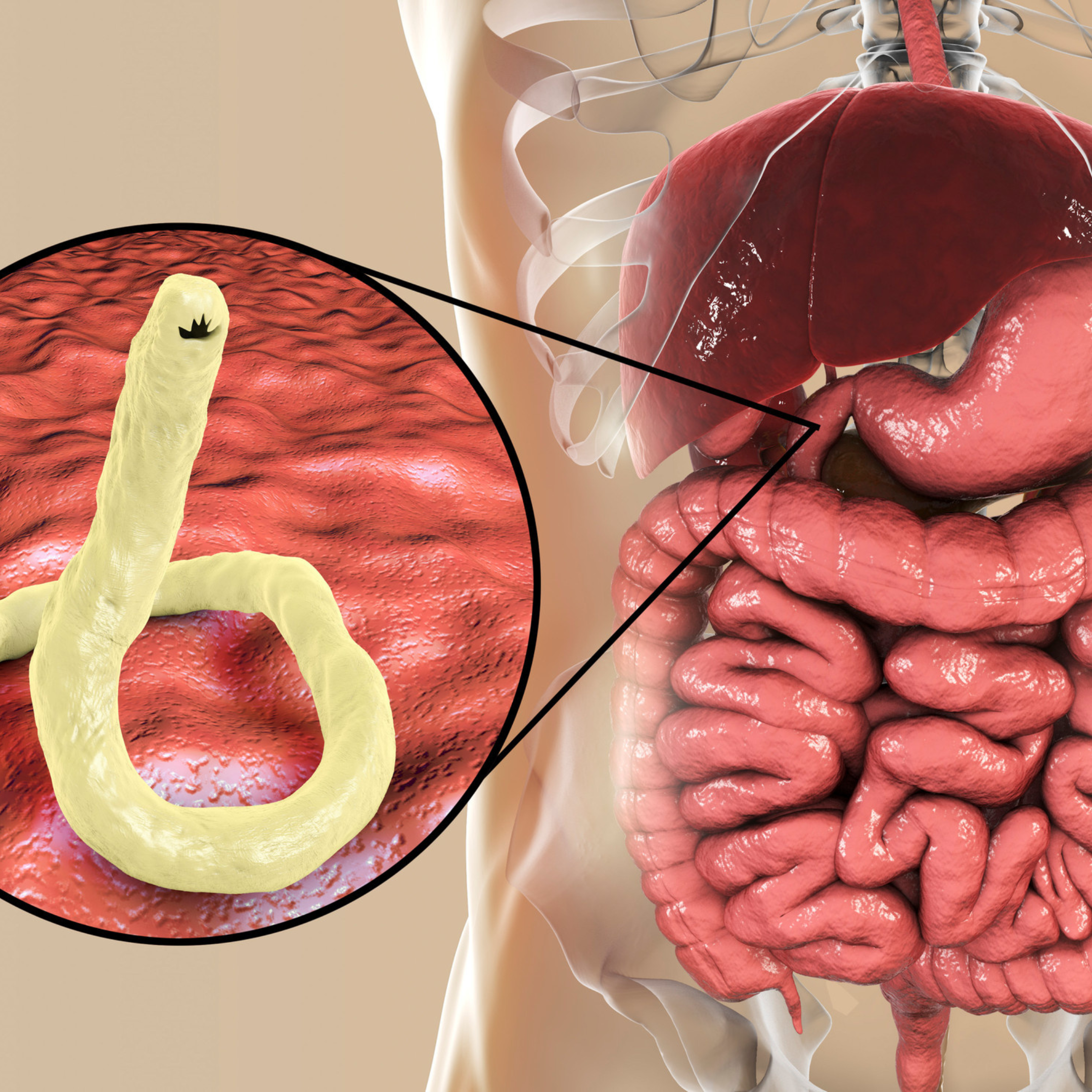
What You Should Know About Doing a Parasite Cleanse
Parasites can be hidden culprits behind digestive issues, fatigue, skin problems, and more. In this guide, learn what a parasite cleanse is, signs that you might need one, and how to detox safely and effectively. With insights from a wellness coach, find out how a cleanse can boost your energy, improve digestion, and help you feel your best.

Parasites are often the unwanted guests that invade our bodies, sometimes without us even realizing it. As a root cause practitioner and health wellness coach, I frequently encounter questions about parasites and the idea of doing a parasite cleanse. In this blog post, I’ll share everything you need to know about parasite cleanses, including their benefits, the signs you might need one, and how to approach the process safely and effectively.
Understanding Parasites
Before diving into the specifics of a parasite cleanse, let’s clarify what parasites are. Parasites are organisms that live on or in a host (that’s you) and rely on that host for survival. They can take various forms, including:
Protozoa: Single-celled organisms, such as Giardia and amoebae.
Helminths: Worms, including roundworms, tapeworms, and flukes.
Ectoparasites: Organisms like ticks and fleas that live on the outside of the host.
While we often think of parasites as something you might pick up from traveling or consuming contaminated food, they can be more common than you think. In fact, estimates suggest that nearly one in four people globally may be affected by parasitic infections.
Signs You Might Need a Parasite Cleanse
Many people may not even know they have parasites, as symptoms can be subtle or mistaken for other health issues. Here are some signs that might indicate a need for a parasite cleanse:
Digestive Issues: Chronic bloating, gas, diarrhea, or constipation can all be signs of a parasitic infection.
Unexplained Weight Changes: Sudden weight loss or gain without changes in diet or exercise can be linked to parasites.
Fatigue: Persistent tiredness or a feeling of exhaustion can be a result of the body fighting off a parasite.
Skin Issues: Rashes, eczema, or acne that don’t respond to typical treatments may be linked to an underlying parasitic issue.
Mood Swings or Brain Fog: Parasites can affect your mental clarity, leading to anxiety, depression, or difficulty concentrating.
Food Cravings: Unusual cravings for sugar or specific foods can sometimes be attributed to parasites manipulating your appetite.
If you’re experiencing any of these symptoms, it’s worth consulting with a healthcare professional who can help determine if a parasite cleanse is appropriate for you.
The Benefits of a Parasite Cleanse
The idea of doing a parasite cleanse can seem daunting, but it can also bring several potential benefits:
Improved Digestion: A cleanse can help reset your digestive system, reducing bloating and discomfort.
Increased Energy Levels: By eliminating parasites, your body may function more efficiently, leading to increased energy and vitality.
Enhanced Nutrient Absorption: Parasites can interfere with nutrient absorption. Cleansing can help your body better utilize the nutrients you consume.
Clearer Skin and Improved Mood: Many people report improvements in their skin and mental clarity after a cleanse.
How to Safely Do a Parasite Cleanse
If you decide to pursue a parasite cleanse, it’s essential to approach it thoughtfully and safely. Here are some key steps to consider:
1. Consult a Professional
Before starting any cleanse, consult with a wellness professional who understands your unique health situation. They can guide you based on your specific needs and any underlying health conditions.
2. Start by Opening up Drainage Pathways
If you aren’t addressing kidneys, liver, lymphatic system, glymphatic system etc BEFORE starting a cleanse, there is a much higher chance you will have detox or “herx” symptoms. The prep phase of a cleanse is the most important! You also need to ensure you are having a least 1 bowel movement/day.
3. Focus on Diet
A healthy diet can enhance the effectiveness of a parasite cleanse. Focus on whole foods, such as:
Fresh fruits and vegetables: Especially those high in fiber, which can aid digestion.
Clean Protein: grass fed + pasture raised
Bone broth: Known for its gut-healing properties.
Parasite Killing foods like: garlic + pumpkin seeds
Limit processed foods, sugar, and alcohol, as these can feed parasites and hinder your progress.
4. Stay Hydrated
Water is crucial during any cleanse. Aim to drink plenty of fluids to help flush out toxins and support your body’s natural detoxification processes. Add minerals to bring the water INTO the cells.
5. Monitor Your Symptoms
As you undergo a parasite cleanse, keep track of any changes in your symptoms. This will help you assess the effectiveness of the cleanse and communicate any concerns with your healthcare provider.
6. Follow Up
After completing your cleanse, consider a follow-up with your wellness practitioner/guide. They can assess your progress and suggest any further steps, if necessary.
Final Thoughts
A parasite cleanse can be a beneficial part of your wellness journey if approached with care and understanding. By recognizing the signs of a parasitic infection and knowing how to cleanse safely, you can take proactive steps toward improved health and vitality.
Remember, always prioritize working with a qualified wellness professional to ensure that your cleanse is tailored to your individual needs and health status. Your body is your most valuable asset—treat it with the care and respect it deserves!
Join my WBC Group Parasite Cleanse
Let's get those things OUT!e
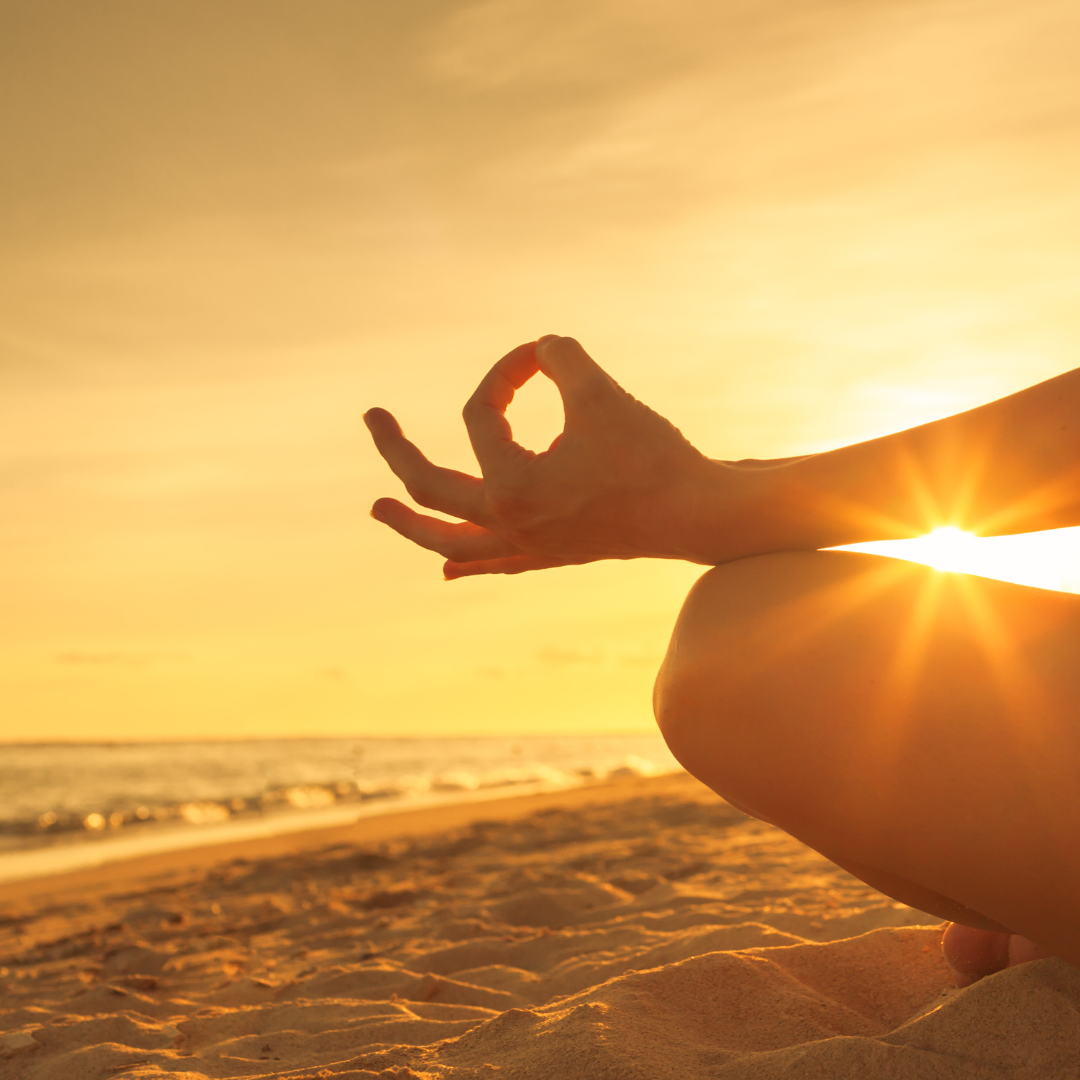
The Power of Meditation: Unlocking Inner Peace and Wellness
In a world full of distractions and stress, meditation offers a powerful tool to reconnect with yourself and find inner peace. This blog explores how meditation reduces stress, enhances emotional well-being, and promotes mindfulness in everyday life. Whether you’re a beginner or looking to deepen your practice, learn how to unlock the benefits of meditation and bring calm to your busy world.

In today’s fast-paced world, we’re constantly bombarded with distractions, demands, and stressors that leave us feeling disconnected, anxious, and exhausted. Many of us are searching for ways to reclaim our sense of calm and well-being, to find a deeper connection to ourselves, and to live more fully in the present moment. As a wellness coach and root cause practitioner, I’ve seen firsthand how meditation can be one of the most transformative tools to achieve just that.
Meditation isn’t just about sitting still with your eyes closed—it’s about learning to be present, to tune into the subtleties of your mind and body, and to tap into a wellspring of peace that’s available within you, no matter what’s happening outside of you.
Why Meditation?
You might ask, “Why meditation? I don’t have time to sit still!” But that’s exactly why you need it. Meditation is the antidote to the constant noise of life. It helps us pause and reconnect with ourselves. When you meditate, you’re not trying to stop your thoughts; instead, you’re building awareness of them without judgment. It’s like going to the gym, but instead of strengthening your muscles, you’re training your mind.
And the benefits go far beyond just feeling relaxed for a few minutes. Studies have shown that meditation can:
Reduce stress by lowering cortisol levels
Improve focus and cognitive function
Enhance emotional health, helping to manage anxiety and depression
Promote better sleep and improve sleep quality
Boost self-awareness, leading to a deeper understanding of your emotions and behaviors
Lower blood pressure and improve heart health
But beyond the science, there’s something even more profound that happens when you meditate regularly: you start to feel more connected to your true self.
My Journey with Meditation
I remember when I first started meditating. Like many people, I was skeptical. Sitting still for 10 minutes felt like torture—my mind would race, my body would itch, and I kept glancing at the clock. But after a few weeks of consistent practice, something shifted. I wasn’t just calmer after meditating; I was calmer throughout the day. The small irritations and stresses that used to throw me off balance no longer had the same power over me. I started to feel like I was regaining control over my inner world.
This is what I see with my clients, too. Often, they come to me feeling overwhelmed, disconnected, or stuck. After incorporating meditation into their routine, they start to see those small, subtle shifts. They become more aware of their thoughts and reactions, and over time, they start to feel more grounded, more in control, and more at peace.
The Root Cause Connection
As a root cause practitioner, I’ve seen that much of the stress, anxiety, and emotional discomfort we experience stems from unaddressed thoughts and unresolved emotions. Meditation allows us to pause and listen to what our bodies and minds are telling us. It gives us space to notice patterns, beliefs, or fears that we may not have realized were running the show.
For example, many people carry chronic tension in their bodies without realizing it. Through meditation, they begin to notice the tightness in their shoulders or jaw and can then connect that physical tension to an emotional or mental trigger. By bringing awareness to these root causes, meditation offers a pathway to healing—not just managing symptoms, but addressing the deeper issues underneath.
How to Get Started
If you’ve never meditated before, or if you’ve tried and felt like you “failed” (trust me, there’s no such thing as failing at meditation), here are a few simple steps to get started:
Start Small: You don’t need to meditate for an hour. Start with just 5 minutes. Find a quiet space where you won’t be interrupted. Set a timer, close your eyes, and focus on your breath.
Focus on the Breath: Pay attention to the sensation of your breath as it enters and leaves your nostrils. If your mind wanders (and it will!), simply notice that it wandered and gently bring your focus back to your breath.
Use Guided Meditations: If sitting in silence feels too daunting, try a guided meditation. There are countless apps and online resources that offer guided sessions for beginners. Listening to someone else’s voice can help you stay focused and calm.
Be Kind to Yourself: Meditation is not about achieving a perfect state of mind. Some days you’ll feel deeply relaxed, and other days your mind will feel like a pinball machine. Both experiences are valid. Be patient and gentle with yourself.
Practice Consistency: The real benefits of meditation come from regular practice. Try to meditate at the same time each day, whether it’s in the morning to start your day with clarity or at night to unwind before bed.
Incorporating Meditation into Daily Life One of the most beautiful things about meditation is that its effects don’t stop when you get up from your cushion. Over time, you’ll notice that you’re able to bring mindfulness into your daily life. Whether you’re stuck in traffic, having a difficult conversation, or facing a stressful deadline at work, you can bring the same awareness and presence you cultivate in meditation to those moments.
For instance, you might notice your breath when you feel yourself becoming stressed or frustrated, or you might catch negative thoughts spiraling and gently redirect them. Meditation helps us respond to life from a place of calm rather than reacting from a place of stress.
The Takeaway Meditation isn’t about being perfect or reaching some enlightened state. It’s about showing up for yourself, day after day, and learning to be present with whatever is happening in your mind and body. It’s about creating a space of stillness amidst the chaos of life, a place where you can return to whenever you need to.
As a wellness coach and root cause practitioner, I’ve seen the power of meditation transform lives—from reducing stress and anxiety to fostering a deeper sense of peace and connection to oneself. If you’ve been curious about meditation, now is the perfect time to start. You don’t need to wait for the “right” time, the “right” circumstances, or the “right” mindset. All you need is a few minutes, an open heart, and a willingness to explore what’s possible within you.
So, take a deep breath, find a quiet corner, and start today. Your future self will thank you.

The Importance of Natural Sunlight for Hormonal Balance
In today’s fast-paced, indoor lifestyle, many of us overlook the profound impact of natural sunlight on our health. As a root cause practitioner, I’ve learned how essential sunlight is for regulating key hormones like serotonin and melatonin, which influence mood, energy, and sleep. In this post, I share both science and personal insights on how reconnecting with sunlight can help restore balance and well-being.

As a root cause practitioner and wellness coach, one of the most foundational aspects of health I emphasize to my clients is the power of natural sunlight. Many of us have become disconnected from this basic yet profound source of healing, unaware of how deeply it impacts our hormonal health and overall well-being. In my work, I always encourage going beyond treating symptoms to find the underlying causes of health imbalances—and when it comes to hormones, sunlight plays a key role that is often overlooked.
The Connection Between Sunlight and Hormones
Our bodies are intricate systems that respond to the rhythms of nature. Hormones, which control everything from our mood and energy to sleep and stress, are particularly sensitive to light exposure. Natural sunlight is one of the most powerful regulators of our internal clock, also known as the circadian rhythm.
Let’s talk about two key hormones that sunlight directly impacts: serotonin and melatonin.
Serotonin: This is often referred to as the “happiness hormone,” and for good reason. Serotonin helps regulate mood, energy, and feelings of well-being. Exposure to natural sunlight increases serotonin production, which is why we feel more positive and energized after spending time outdoors. When we lack sunlight, serotonin levels drop, leaving us feeling sluggish, anxious, or even depressed. This is one of the reasons many people experience a dip in mood during the winter months or when they spend extended time indoors.
Melatonin: Melatonin is the hormone that tells our bodies it’s time to rest. It regulates sleep and is essential for recovery and repair during the night. However, melatonin production is tied directly to the light-dark cycle. Sunlight exposure during the day helps regulate melatonin levels so that when night falls, our bodies naturally produce this hormone, promoting restful sleep. Without enough sunlight during the day, melatonin production can become disrupted, leading to poor sleep quality or difficulty falling asleep.
As a practitioner, I often see clients who struggle with mood swings, anxiety, fatigue, and sleep disorders, and the root cause frequently traces back to an imbalance in these key hormones—often due to a lack of sunlight exposure.
Personal Reflections: My Own Journey with Sunlight and Hormones
I didn’t always fully appreciate the importance of sunlight either. There was a time when I, too, was working long hours indoors, skipping outdoor time in favor of productivity. I noticed I felt off—low energy, irritable, and my sleep was all over the place. I would wake up tired, despite clocking what should have been enough hours of sleep.
It wasn’t until I began exploring root cause approaches to my health that I started connecting the dots. I realized that my lack of natural sunlight was disrupting my body’s natural rhythms. Once I made a conscious effort to incorporate daily sunlight exposure into my routine, the changes were almost immediate. My mood improved, I had more energy, and perhaps most importantly, I began sleeping deeply again.
This shift was a game changer for me, and it’s now something I share with every client I work with.
The Biological Impact of Sunlight
To understand why sunlight is so important, we need to look at our biology. Our bodies evolved to be in sync with natural light cycles. Thousands of years ago, before the advent of artificial lighting, we lived by the rising and setting of the sun. Our hormones, specifically cortisol (the stress hormone), estrogen, testosterone, and others, were regulated by these natural light patterns.
Cortisol, for example, follows a natural rhythm where it should be highest in the morning (to help us wake up and start our day) and gradually decrease throughout the day, allowing melatonin to rise in the evening. Sunlight in the morning helps keep this cycle in check. When we start our day by getting outside and absorbing that natural light, we’re signaling to our body, “It’s time to wake up, energize, and be productive.” But when we don’t get enough sunlight, our cortisol levels can become dysregulated, leading to feelings of stress and exhaustion. This imbalance can cascade into other hormonal systems, affecting everything from metabolism to reproductive health.
Root Cause Wellness: Sunlight as a Non-Negotiable
From a root cause perspective, health imbalances rarely exist in isolation. If someone is struggling with anxiety, depression, sleep disturbances, or hormonal imbalances, we have to look at what foundational elements are missing. More often than not, insufficient natural sunlight is a contributing factor.
What’s key to understand is that sunlight isn’t just about Vitamin D production—though that’s an important piece of the puzzle. It’s about how light informs our body’s internal systems, regulating everything from our energy levels to how we process stress. Without enough sunlight, our bodies get confused. The rhythm that governs our hormones and overall health gets disrupted.
How to Get More Natural Sunlight (Without Overdoing It)
One of the questions I get asked most often is, “How much sunlight is enough?” The answer can vary depending on where you live, the season, and your skin type, but generally, I recommend starting with 15-20 minutes of natural sunlight exposure each morning. If possible, aim for that early morning light—this is when the sun’s rays are gentler, but still effective at signaling to your brain that it’s time to wake up and start your day.
Here are a few practical ways to incorporate more natural sunlight into your life:
Morning walks: As a wellness coach, I encourage clients to begin their day with a brief walk outside. Even a 10-15 minute walk can be enough to sync your body’s internal clock and kickstart your hormone production.
Work near natural light: If you work from home or indoors, position your workspace near a window. Let natural light in throughout the day to keep your hormones regulated.
Take breaks outside: Even short breaks throughout the day, where you step outside for a few minutes of fresh air and sunlight, can have a cumulative effect on your health.
Weekend nature time: Make outdoor time a priority on weekends. Whether it’s hiking, gardening, or simply relaxing in the sun, spending extended time outdoors can replenish your body’s natural rhythms.
Conclusion: Sunlight as a Foundational Pillar of Hormonal Health
In our modern world, it’s easy to overlook the basics. We live in a time where artificial lighting and indoor living have become the norm, but our bodies are still wired for natural light. As a root cause practitioner, I’ve seen firsthand how restoring this simple element—regular exposure to natural sunlight—can transform hormonal health and overall well-being.
If you’ve been feeling out of balance, whether it's your mood, energy, or sleep, I encourage you to consider how much time you’re spending outside in natural sunlight. You might find that this simple shift is the missing piece to restoring harmony in your body and mind.
Remember, healing is often about returning to the basics, and sunlight is one of the most powerful, natural tools we have.