
The Healing Power of Nature: Embracing the Benefits of the Great Outdoors
In today’s fast-paced world, it's easy to forget how much healing power nature holds. Whether it’s a walk in the park or a weekend in the mountains, spending time outdoors can work wonders for your mind, body, and soul. Join me as I explore the simple yet profound ways that nature helps us feel better, think clearer, and live more fully.
In an era dominated by screens, schedules, and stress, the natural world offers a timeless remedy that many of us overlook. The healing power of nature is not just a poetic idea but a profound truth supported by scientific research and personal experience. This blog post delves into why nature is such a potent healer, exploring its benefits for mental, physical, and emotional well-being.
1. The Science Behind Nature’s Healing Power
Numerous studies have highlighted the therapeutic effects of spending time in natural settings. Research published in the journal Nature found that even brief encounters with nature can improve mood and cognitive function. The concept of “biophilia,” introduced by Edward O. Wilson, suggests that humans have an innate connection to nature and that this bond is essential for our well-being.
One landmark study from the University of Michigan showed that walking in nature, as opposed to urban environments, leads to improved attention and memory. Similarly, another study in the Journal of Environmental Psychology demonstrated that patients recovering from surgery in rooms with views of nature had shorter recovery times and required less pain medication.
2. Mental Health Benefits
Nature has a remarkable ability to soothe the mind. The hustle and bustle of modern life can lead to chronic stress, anxiety, and even depression. Immersing oneself in natural settings helps counteract these effects by reducing levels of cortisol, a stress hormone. The calming sounds of rustling leaves, flowing water, and birdsong contribute to a serene atmosphere that promotes relaxation.
Mindfulness and meditation practices in nature have shown promising results for mental health. Spending time outdoors encourages a form of mindful awareness that enhances mood and provides clarity. The natural world acts as a powerful antidote to the overstimulation and distractions of contemporary life, allowing individuals to reconnect with themselves.
3. Physical Health Benefits
Nature’s healing power extends beyond mental well-being to physical health. Regular exposure to green spaces has been linked to lower blood pressure, improved cardiovascular health, and enhanced immune function. The fresh air, physical activity associated with outdoor activities, and natural light all contribute to these benefits.
Moreover, activities like hiking, swimming in natural bodies of water, or even gardening engage different muscle groups and promote overall fitness. The Vitamin D absorbed from sunlight further supports bone health and boosts the immune system. Engaging in outdoor exercise not only strengthens the body but also refreshes the mind.
4. Emotional and Social Benefits
Embracing nature can foster deeper emotional connections and enhance social relationships. Shared experiences in natural settings, such as family hikes or community gardening projects, strengthen bonds and create lasting memories. Nature encourages a sense of community and cooperation, providing a common ground for people to connect and support each other.
For individuals struggling with loneliness or social anxiety, nature offers a gentle, non-threatening environment to build confidence and engage with others. Participating in group outdoor activities can help develop social skills and reduce feelings of isolation.
5. Practical Tips for Incorporating Nature into Your Life
Daily Walks: Make time for a daily walk in a nearby park or green space. Even short periods of exposure to nature can be beneficial.
Outdoor Workspaces: If possible, set up a workspace near a window or in an outdoor area to benefit from natural light and fresh air.
Nature-Based Hobbies: Explore hobbies that connect you with nature, such as gardening, birdwatching, or trail running.
Mindful Nature Experiences: Practice mindfulness during your time outdoors. Focus on the sensory experiences of nature, such as the smell of pine or the sound of a flowing stream.
Plan Nature Retreats: Schedule regular retreats or vacations to natural destinations. Whether it’s a weekend camping trip or a day at the beach, time away from the hustle and bustle can rejuvenate your spirit.
Conclusion
The healing power of nature is a gift that is both profound and accessible. By immersing ourselves in natural environments, we can tap into a source of physical, mental, and emotional rejuvenation. In our fast-paced world, making time for nature isn’t just a luxury—it’s a necessity for a balanced and healthy life. So, step outside, breathe deeply, and let the natural world work its magic on you.

The Importance of Natural Sunlight for Hormonal Balance
In today’s fast-paced, indoor lifestyle, many of us overlook the profound impact of natural sunlight on our health. As a root cause practitioner, I’ve learned how essential sunlight is for regulating key hormones like serotonin and melatonin, which influence mood, energy, and sleep. In this post, I share both science and personal insights on how reconnecting with sunlight can help restore balance and well-being.

As a root cause practitioner and wellness coach, one of the most foundational aspects of health I emphasize to my clients is the power of natural sunlight. Many of us have become disconnected from this basic yet profound source of healing, unaware of how deeply it impacts our hormonal health and overall well-being. In my work, I always encourage going beyond treating symptoms to find the underlying causes of health imbalances—and when it comes to hormones, sunlight plays a key role that is often overlooked.
The Connection Between Sunlight and Hormones
Our bodies are intricate systems that respond to the rhythms of nature. Hormones, which control everything from our mood and energy to sleep and stress, are particularly sensitive to light exposure. Natural sunlight is one of the most powerful regulators of our internal clock, also known as the circadian rhythm.
Let’s talk about two key hormones that sunlight directly impacts: serotonin and melatonin.
Serotonin: This is often referred to as the “happiness hormone,” and for good reason. Serotonin helps regulate mood, energy, and feelings of well-being. Exposure to natural sunlight increases serotonin production, which is why we feel more positive and energized after spending time outdoors. When we lack sunlight, serotonin levels drop, leaving us feeling sluggish, anxious, or even depressed. This is one of the reasons many people experience a dip in mood during the winter months or when they spend extended time indoors.
Melatonin: Melatonin is the hormone that tells our bodies it’s time to rest. It regulates sleep and is essential for recovery and repair during the night. However, melatonin production is tied directly to the light-dark cycle. Sunlight exposure during the day helps regulate melatonin levels so that when night falls, our bodies naturally produce this hormone, promoting restful sleep. Without enough sunlight during the day, melatonin production can become disrupted, leading to poor sleep quality or difficulty falling asleep.
As a practitioner, I often see clients who struggle with mood swings, anxiety, fatigue, and sleep disorders, and the root cause frequently traces back to an imbalance in these key hormones—often due to a lack of sunlight exposure.
Personal Reflections: My Own Journey with Sunlight and Hormones
I didn’t always fully appreciate the importance of sunlight either. There was a time when I, too, was working long hours indoors, skipping outdoor time in favor of productivity. I noticed I felt off—low energy, irritable, and my sleep was all over the place. I would wake up tired, despite clocking what should have been enough hours of sleep.
It wasn’t until I began exploring root cause approaches to my health that I started connecting the dots. I realized that my lack of natural sunlight was disrupting my body’s natural rhythms. Once I made a conscious effort to incorporate daily sunlight exposure into my routine, the changes were almost immediate. My mood improved, I had more energy, and perhaps most importantly, I began sleeping deeply again.
This shift was a game changer for me, and it’s now something I share with every client I work with.
The Biological Impact of Sunlight
To understand why sunlight is so important, we need to look at our biology. Our bodies evolved to be in sync with natural light cycles. Thousands of years ago, before the advent of artificial lighting, we lived by the rising and setting of the sun. Our hormones, specifically cortisol (the stress hormone), estrogen, testosterone, and others, were regulated by these natural light patterns.
Cortisol, for example, follows a natural rhythm where it should be highest in the morning (to help us wake up and start our day) and gradually decrease throughout the day, allowing melatonin to rise in the evening. Sunlight in the morning helps keep this cycle in check. When we start our day by getting outside and absorbing that natural light, we’re signaling to our body, “It’s time to wake up, energize, and be productive.” But when we don’t get enough sunlight, our cortisol levels can become dysregulated, leading to feelings of stress and exhaustion. This imbalance can cascade into other hormonal systems, affecting everything from metabolism to reproductive health.
Root Cause Wellness: Sunlight as a Non-Negotiable
From a root cause perspective, health imbalances rarely exist in isolation. If someone is struggling with anxiety, depression, sleep disturbances, or hormonal imbalances, we have to look at what foundational elements are missing. More often than not, insufficient natural sunlight is a contributing factor.
What’s key to understand is that sunlight isn’t just about Vitamin D production—though that’s an important piece of the puzzle. It’s about how light informs our body’s internal systems, regulating everything from our energy levels to how we process stress. Without enough sunlight, our bodies get confused. The rhythm that governs our hormones and overall health gets disrupted.
How to Get More Natural Sunlight (Without Overdoing It)
One of the questions I get asked most often is, “How much sunlight is enough?” The answer can vary depending on where you live, the season, and your skin type, but generally, I recommend starting with 15-20 minutes of natural sunlight exposure each morning. If possible, aim for that early morning light—this is when the sun’s rays are gentler, but still effective at signaling to your brain that it’s time to wake up and start your day.
Here are a few practical ways to incorporate more natural sunlight into your life:
Morning walks: As a wellness coach, I encourage clients to begin their day with a brief walk outside. Even a 10-15 minute walk can be enough to sync your body’s internal clock and kickstart your hormone production.
Work near natural light: If you work from home or indoors, position your workspace near a window. Let natural light in throughout the day to keep your hormones regulated.
Take breaks outside: Even short breaks throughout the day, where you step outside for a few minutes of fresh air and sunlight, can have a cumulative effect on your health.
Weekend nature time: Make outdoor time a priority on weekends. Whether it’s hiking, gardening, or simply relaxing in the sun, spending extended time outdoors can replenish your body’s natural rhythms.
Conclusion: Sunlight as a Foundational Pillar of Hormonal Health
In our modern world, it’s easy to overlook the basics. We live in a time where artificial lighting and indoor living have become the norm, but our bodies are still wired for natural light. As a root cause practitioner, I’ve seen firsthand how restoring this simple element—regular exposure to natural sunlight—can transform hormonal health and overall well-being.
If you’ve been feeling out of balance, whether it's your mood, energy, or sleep, I encourage you to consider how much time you’re spending outside in natural sunlight. You might find that this simple shift is the missing piece to restoring harmony in your body and mind.
Remember, healing is often about returning to the basics, and sunlight is one of the most powerful, natural tools we have.
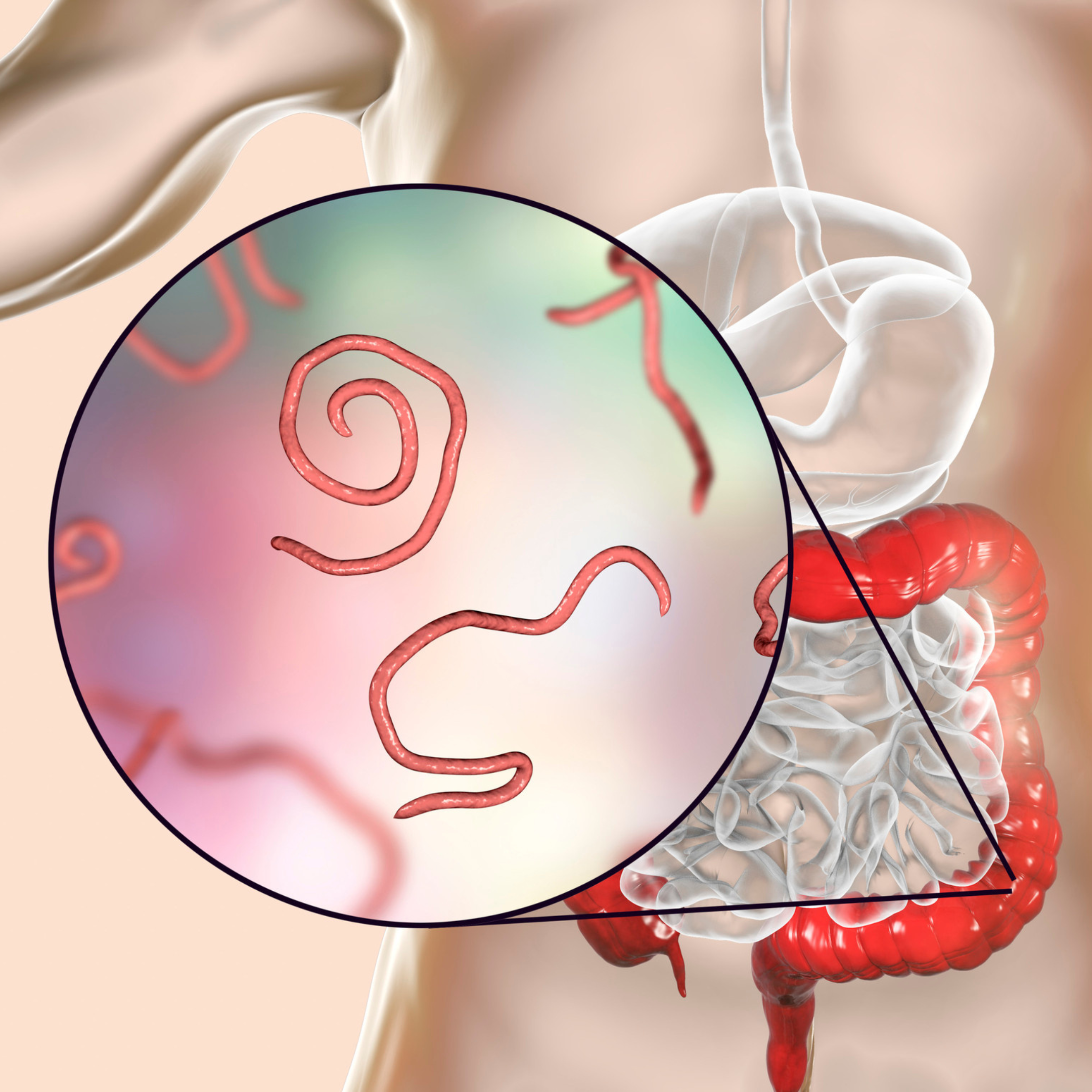
Why is it Important to Do a Parasite Cleanse?
Feeling drained and not quite yourself? You might be facing the silent struggle of parasites in your body. In our latest blog post, we dive into the importance of a parasite cleanse and how it can transform your health journey. Discover the signs of parasitic infections, the benefits of cleansing, and practical steps you can take to reclaim your energy, improve your digestion, and enhance your overall well-being. Join us as we explore how a simple cleanse can make a world of difference in your life!

In recent years, the concept of a parasite cleanse has gained traction among those seeking to improve their health and well-being. But what exactly is a parasite cleanse, and why might it be important? This blog post will explore the significance of parasite cleanses, their potential benefits, and considerations for incorporating them into your health regimen.
Understanding Parasites and Their Impact on Health
Parasites are organisms that live on or inside a host organism and derive their nutrients at the host's expense. They can be microscopic, like protozoa, or larger, like worms. Common parasites include Giardia, Cryptosporidium, and tapeworms. These invaders can affect various parts of the body, from the intestines to the skin.
Symptoms of parasitic infections can vary widely, including digestive disturbances, fatigue, weight loss, and skin issues. Sometimes, people may not even realize they have a parasite, as symptoms can be subtle or mimic other health conditions.
Why Consider a Parasite Cleanse?
Improved Digestive Health
One of the most common reasons for undertaking a parasite cleanse is to address digestive issues. Parasites can disrupt normal digestive function, leading to symptoms like bloating, gas, diarrhea, or constipation. By removing these parasites, many people report a significant improvement in their digestive health.Enhanced Immune Function
Parasites can weaken the immune system by diverting resources away from your body’s natural defenses. A cleanse can help restore balance and improve immune function, potentially making you less susceptible to infections and other illnesses.Increased Energy Levels
Chronic fatigue can be a sign of parasitic infection. As parasites consume nutrients and cause digestive disturbances, they can leave you feeling drained. Cleansing the body of parasites can help restore your energy levels and improve overall vitality.Mental Clarity and Mood Improvement
Some people find that a parasite cleanse improves mental clarity and mood. Parasites can sometimes cause or exacerbate mood swings, brain fog, or anxiety. By addressing these infections, individuals may experience better cognitive function and a more stable mood.Support for Weight Management
Unwanted parasites can affect metabolism and contribute to weight gain or loss. A cleanse may help reset your digestive system and metabolism, making it easier to manage your weight and maintain a healthy balance.
How to Approach a Parasite Cleanse
1. Consult a Healthcare Professional
Before starting a parasite cleanse, it’s crucial to consult with a healthcare provider, especially if you have underlying health conditions. They can help determine if a cleanse is appropriate for you and recommend safe and effective methods.
2. Choose the Right Method
Parasite cleanses can be done using various methods, including herbal supplements, dietary changes, and fasting. Common herbs used in cleanses include wormwood, black walnut, and cloves. Research and choose a method that aligns with your health needs and preferences.
3. Focus on a Balanced Diet
During a cleanse, it’s essential to maintain a healthy diet that supports your body’s detoxification processes. Emphasize whole foods, such as fruits, vegetables, and lean proteins, and stay hydrated to help flush out toxins.
4. Monitor Your Body’s Response
Pay attention to how your body reacts during and after the cleanse. Some people may experience temporary discomfort or symptoms as the parasites are eliminated. If you experience severe or prolonged symptoms, seek medical advice.
5. Maintain Good Hygiene Practices
Preventing future infections is crucial. Practice good hygiene, such as washing your hands regularly, cooking food thoroughly, and avoiding contact with contaminated water or soil.
Final Thoughts
A parasite cleanse can offer numerous benefits, from improved digestive health and energy levels to enhanced immune function and mental clarity. However, it’s essential to approach a cleanse with careful consideration and proper guidance. By understanding the impact of parasites on your health and taking informed steps towards cleansing, you can support your overall well-being and maintain a healthier lifestyle.
If you're considering a parasite cleanse, start by consulting with a healthcare professional to ensure it's the right choice for you and to receive personalized advice on how to proceed safely and effectively.
Join my WBC Group Parasite Cleanse and let’s get those unwanted guests OUT — for GOOD! 🪱💥
👉 If you're tired of feeling bloated, foggy, sluggish, or just off... this is your sign.
It’s time to reset your gut, boost your energy, and reclaim your body.
💪 Group support, step-by-step guidance, and real results.
You’re NOT doing this alone — we’re doing it together. 💯
Join my WBC Group Parasite Cleanse