
The HPA Axis: Your Body’s Stress Symphony (and How to Keep It in Harmony) By Carli Kilgore
Ever feel wired but tired, running on empty, or like your body’s in constant overdrive? It could be your HPA axis calling for help. This intricate stress-response system is at the core of your energy, hormones, sleep, and mood. In this blog, we’ll unpack what the HPA axis is, how chronic stress throws it off balance, and most importantly—how to gently restore it using root cause, whole-body healing. Your body’s not broken—it’s protecting you. Let’s help it feel safe again.

When we talk about stress, adrenal fatigue, burnout, or even hormonal imbalances, there’s one key system at the center of it all: the HPA Axis. Think of it as your body’s stress conductor—quietly orchestrating how you respond to the world around you, minute by minute, day by day.
But what is the HPA axis exactly, and why does it matter so much for your health and healing?
Let’s dive in.
💡 What is the HPA Axis?
The HPA axis stands for the Hypothalamic-Pituitary-Adrenal axis. It's a dynamic communication network between three major glands:
Hypothalamus (in the brain) – The control center, sensing changes and sending out the first signal.
Pituitary gland (also in the brain) – The messenger, receiving signals from the hypothalamus and directing the adrenal glands.
Adrenal glands (on top of the kidneys) – The doers, releasing cortisol and other stress hormones in response to the signals they receive.
This trio works together to manage your stress response, regulate energy, influence your immune system, control blood pressure, and even affect digestion and mood.
🧠 Stress & the HPA Axis: A Delicate Balance
Your HPA axis is beautifully designed to help you survive a threat—a lion chasing you, a car cutting you off, or a big work presentation. In short bursts, cortisol (your primary stress hormone) is adaptive. It sharpens your mind, raises your blood sugar, and readies your muscles.
But here’s the catch…
Chronic, unrelenting stress—from deadlines, poor sleep, toxic relationships, blood sugar dips, overtraining, or even inflammation—keeps this system "on" all the time. That’s when problems start.
🛑 What Happens When the HPA Axis Goes Off Track?
When your HPA axis is chronically activated, it starts to misfire. Over time, this can lead to what's often called HPA axis dysregulation (formerly known as adrenal fatigue). It’s not that your adrenals are “tired,” but rather the entire communication loop is off.
Symptoms can include:
Fatigue (especially in the morning or mid-afternoon)
Difficulty sleeping (wired but tired at night)
Cravings for salt, sugar, or caffeine
Anxiety or feeling "on edge"
Brain fog and poor memory
Low libido
Hormonal imbalances (e.g., PMS, irregular periods, low testosterone)
Immune dysfunction (frequent colds or autoimmunity)
Sound familiar?
🔍 Getting to the Root: What’s Driving Your HPA Dysregulation?
As a root cause practitioner, we don’t just look at symptoms—we ask why. What’s behind the HPA imbalance?
Here are common contributors:
Emotional stress – trauma, grief, work overload, perfectionism
Inflammation – gut issues, infections, toxins, food sensitivities
Blood sugar imbalances – skipping meals, sugar highs and crashes
Poor sleep quality – not just hours, but restorative sleep
Circadian rhythm disruption – blue light at night, shift work, irregular schedules
Overtraining or under-recovery – especially in women and high achievers
🛠 How to Rewire and Support Your HPA Axis (Naturally)
Healing the HPA axis is not about popping an adaptogen and hoping for the best. It's about creating safety in the body, consistency in your rhythms, and reconnection with your body’s needs.
Here’s where we start:
1. Nourish Regularly & Stabilize Blood Sugar
Eat balanced meals with protein, fat, and fiber
Ditch intermittent fasting if you're burnt out—it’s not for everyone
Keep snacks handy (especially if you crash mid-morning or mid-afternoon)
2. Prioritize Deep, Restorative Sleep
Get morning sunlight to anchor your circadian rhythm
Shut down screens an hour before bed
Consider magnesium, glycine, or calming herbs (under guidance)
3. Embrace Nervous System Regulation
Breathwork, meditation, somatic practices, EFT, or yoga
Even 10 minutes a day can shift your state from “fight or flight” to “rest and repair”
4. Honor Your Energy Cycles
Match your workouts to your energy (hint: not every day needs to be high-intensity)
Build in true rest days—guilt-free
5. Use Targeted Supplementation (When Needed)
Adaptogens like ashwagandha, rhodiola, holy basil
Nutrients like B vitamins, vitamin C, magnesium, and electrolytes
Functional testing to tailor support (e.g., DUTCH test, salivary cortisol)
❤️ Final Thoughts: Your Body Wants to Heal
The HPA axis isn’t broken—it’s adaptive. It’s doing its best to protect you based on the signals it’s receiving. When you begin to shift those inputs—physically, emotionally, environmentally—you help your body feel safe again.
And from that place of safety, healing becomes not just possible—but inevitable.
Ready to rebalance your HPA axis and reclaim your energy?
Let’s work together to get to the root and build resilience from the inside out.
Want to learn more about Stress Reset?
Watch this podcast on Youtube about
The Stress Reset Protocol: How to Calm Your Brain & Body for Good
👇👇👇
Instagram post:
👇👇👇
Trauma & Unresolved Stress Keep You Stuck in Freeze Mode
https://www.instagram.com/p/DITsWcLpjKC/?utm_source=ig_web_copy_link&igsh=MzRlODBiNWFlZA==
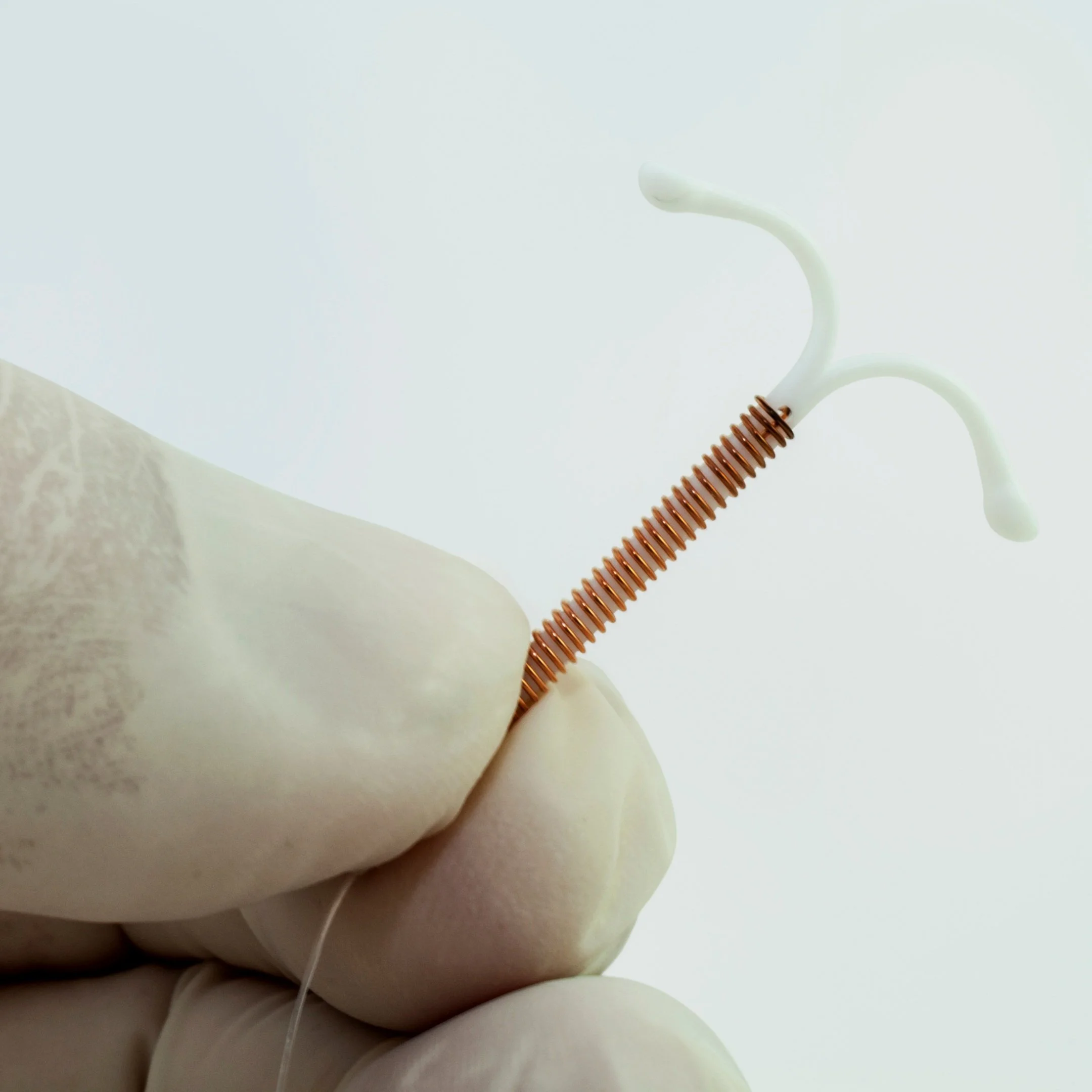
The Copper IUD: A Holistic Perspective on Health Implications
Could your Copper IUD be affecting your health? Many women experience fatigue, anxiety, brain fog, and hormonal imbalances without realizing their birth control may be a contributing factor. While marketed as “hormone-free,” the Copper IUD continuously releases copper, which can disrupt mineral balance, estrogen levels, and overall well-being. This article explores common symptoms of copper overload, who may be more sensitive, and holistic strategies to support your body. Plus, discover natural birth control alternatives that align with your health goals.

I often see women struggling with mysterious symptoms—fatigue, anxiety, brain fog, and hormonal imbalances—that conventional medicine brushes off as normal. But what if I told you that your birth control method could be playing a significant role in your health?
The Copper IUD (ParaGard) is often chosen as a "hormone-free" birth control option, but that doesn’t mean it’s free from systemic effects. In holistic and functional medicine, we recognize that this device continuously releases copper into the body, potentially impacting mineral balance, hormone regulation, and overall well-being. Let’s dive into some of the most common concerns and how you can support your body if you have—or are considering—a Copper IUD.
1. Copper Toxicity & Mineral Imbalances
The body needs a delicate balance of minerals to function optimally. The Copper IUD steadily releases copper, which can lead to an imbalance, especially in relation to zinc. This can contribute to:
Fatigue
Anxiety & mood swings
Brain fog
Hormonal imbalances
Skin issues (acne, eczema)
Insomnia
Joint pain
Your liver plays a key role in detoxifying excess copper, but if detox pathways are sluggish, copper can build up and wreak havoc on your body.
2. Estrogen Dominance
Copper has an estrogenic effect, meaning it may contribute to estrogen dominance, a condition linked to:
Heavy, painful periods
Breast tenderness
PMS
Weight gain (especially around the hips/thighs)
Increased risk of fibroids, endometriosis, and hormonal acne
If you’re already struggling with hormonal imbalances, introducing additional copper into the system could tip the scales further out of balance.
3. Gut & Microbiome Disruptions
Copper plays a role in microbial balance, but too much of it can disrupt the gut, contributing to:
Candida overgrowth
Gut dysbiosis
Increased inflammation in the digestive tract
Since gut health is foundational to overall wellness, chronic disruptions here can lead to widespread symptoms.
4. Adrenal & Nervous System Stress
The adrenals use zinc for stress regulation, and since copper and zinc work in opposition, excess copper can deplete zinc levels. This may result in:
Increased anxiety or panic attacks
Feeling overstimulated, wired but tired
Sensory sensitivity
Blood sugar instability
If you’re already dealing with stress, fatigue, or burnout, excess copper can further dysregulate your nervous system.
5. Autoimmune & Inflammatory Reactions
Some women experience chronic inflammation or autoimmune flares after getting a Copper IUD. Holistic practitioners believe this could be due to:
A reaction to the foreign device in the body
The immune system overreacting to increased copper levels
This is especially important for those with existing autoimmune conditions or a family history of immune dysregulation.
Who Might Be More Sensitive to the Copper IUD?
Some women are more vulnerable to the effects of excess copper, including:
Women with MTHFR mutations or poor detox pathways (they may struggle with copper clearance)
Those with a history of adrenal fatigue or HPA-axis dysfunction
Women already experiencing estrogen dominance, thyroid issues, or heavy metals toxicity
If any of these apply to you, monitoring your copper levels and supporting detoxification is crucial.
How to Mitigate Negative Effects
If you choose to keep a Copper IUD but want to minimize potential side effects, here are some holistic strategies:
Support Liver Detoxification
Dandelion root tea, milk thistle, beet juice
Sulfur-rich foods: garlic, onions, eggs, cruciferous veggies (broccoli, cabbage, Brussels sprouts)
Balance Copper with Zinc
Zinc-rich foods: oysters, pumpkin seeds, grass-fed beef
Supplementation: 30-50mg zinc picolinate per day (balance with a little copper)
Strengthen Gut Health
Probiotics
Avoiding sugar and processed foods
Manage Stress & Support Adrenals
Magnesium, B vitamins
Adaptogens like ashwagandha
Testing for Copper Toxicity & Balancing Minerals
If you suspect copper toxicity, testing can provide clarity:
Lab Testing for Copper Imbalance
Micronutrient Test Shows long-term mineral imbalances, including high copper and low zinc.
Blood Tests:
Serum Copper
Ceruloplasmin (low levels suggest free copper buildup)
Serum Zinc
Plasma Vitamin B6 (helps detox excess copper)
If serum copper is above 110 µg/dL or the copper-to-zinc ratio is skewed (higher than 1:8), you may be dealing with copper overload.
Natural Birth Control Alternatives
If you’re looking to remove the Copper IUD but still want effective, non-hormonal birth control, consider these options:
1. Fertility Awareness Method (FAM)
Tracks ovulation naturally using basal body temperature and cervical mucus
Apps like Natural Cycles or Read Your Body help chart accurately
When done correctly, it's 99% effective (as effective as the pill!)
2. Non-Hormonal Barrier Methods
Diaphragm (Caya) – Can be paired with natural spermicide
Copper-Free IUD (Ballerine) – Less copper exposure than ParaGard
External & Internal Condoms – Prevent both pregnancy & STDs
3. Herbal Birth Control Support
Wild carrot seed (Queen Anne’s Lace) has been traditionally used to prevent implantation
Neem oil & Ayurvedic herbs have antifertility properties (use with caution)
4. Cycle Syncing & Conscious Conception
Tracking ovulation and using protection during fertile windows (~6 days per month) can be highly effective
Final Thoughts
The Copper IUD may work well for some women, but for others, it can trigger a cascade of health issues. If you notice symptoms like anxiety, fatigue, or hormonal imbalances after insertion, it may be worth assessing your copper levels and supporting detoxification.
Your body is unique, and your birth control choice should align with your overall wellness. If you're struggling with symptoms and suspect your IUD is a factor, trust your intuition, get tested, and take steps to support your body's natural balance.
As always, if you need personalized guidance, working with a holistic practitioner can help you navigate the best path for your body and health goals.
Check my Instagram Post ro learn more about Copper IUD
👇🏻👇🏻👇🏻
Is Copper IUD Affecting Your Health?
https://www.instagram.com/p/DGv5ffoT1lT/?utm_source=ig_web_copy_link&igsh=MzRlODBiNWFlZA==
Is Copper IUD Secretly Draining You?
https://www.instagram.com/reel/DGgfKqLzuMy/?utm_source=ig_web_copy_link&igsh=MzRlODBiNWFlZA==

The Hidden Connection Between Parasites and Your Energy Field
Parasites don’t just affect your body—they can also drain your energy field, leaving you feeling fatigued, emotionally off, and vulnerable to negative influences. When these energetic invaders weaken your personal boundaries, both physical and emotional, they can make you more susceptible to stress and unhealthy relationships. In this post, we explore the hidden connection between parasites and your energetic health, and share practical steps for cleansing, healing, and restoring balance to your body and energy field. Reclaim your vitality and protect your aura with these transformative practices.

Most people don’t realize that parasites don’t just disrupt your body—they can deeply affect your energy field too. These energetic hitchhikers drain not only your physical vitality but can also weaken your emotional and energetic boundaries. The result? You may feel more tired, emotionally off, and increasingly vulnerable to stress or toxic relationships. This connection between parasites and your energetic health isn’t discussed enough, but it could be the missing link to feeling like yourself again.
The Energy Within Us
When we explore health through the lens of quantum biology, we discover that everything in our body—down to our cells and emotions—vibrates at a specific frequency. Parasites lower your vibrational energy by stealing your life force, both on a physical level (by consuming your nutrients and energy) and on a quantum level (by draining your personal energy field).
So, let’s break this down. We are not just physical beings; we are energetic systems. Your body’s energy field, often referred to as your aura or subtle body, plays a crucial role in maintaining your personal space, boundaries, and emotional resilience. When parasites invade your body, they compromise not only your immune system but also your energetic shield, making you more susceptible to emotional overwhelm, negative thought patterns, and even the energy of others.
Have you ever noticed feeling extra drained after social interactions, or found yourself more reactive to emotional stressors than usual? This could be because your energetic field is compromised—and parasites could be playing a significant role in this depletion.
The Impact of Parasites on Your Energetic Health
Parasites disrupt the delicate balance of your energy field, creating holes or leaks that weaken your personal boundaries both physically and emotionally. You might find yourself constantly taking on other people’s emotions or feeling fatigued after being around certain individuals. This is a sign that your energetic field may be under attack.
On a quantum level, everything is energy, and parasites are no exception. When they invade your physical body, they tap into your energy, lowering your vibrational frequency. This can make you more susceptible to toxic energies in relationships—think energetic vampires, unhealthy emotional dynamics, and absorbing negativity more easily. Essentially, parasites weaken your energetic defense system, leaving you open to external influences.
Reclaiming Your Energy
So, how do you reclaim your energy and restore balance to your life? Here are some steps you can take:
Parasite Cleansing: Start by physically removing parasites through a targeted detox. This is the essential first step to clearing your body of these invaders and restoring balance.
Energetic Healing: Engage in practices like grounding, energy healing (such as network spinal or Reiki), or breathwork. These methods can help rebuild your energetic boundaries and restore balance to your aura.
Protect Your Energy Field: Incorporate daily practices like meditation, visualization, and setting clear emotional boundaries with people in your life. Strengthening your auric field is just as crucial as detoxing your body.
By focusing on healing your body from parasites, you also reclaim your energetic sovereignty. This means you stop leaking energy and strengthen your physical and emotional boundaries. Once you cleanse your body of parasites, you’ll likely feel physically lighter, less affected by the energies of others, and more aligned with your true self.
A Holistic Approach to Health
Taking care of your body is inherently linked to taking care of your energy. As we detox parasites, we also heal at a quantum level, reclaiming our power and protecting our boundaries. This creates space for healthier, more aligned relationships in our lives.
If you’ve experienced any emotional upgrades since cleansing parasites, I would love to hear about it! Your journey could inspire others to reclaim their energy and restore balance in their lives. Remember, it’s not just about the physical; it’s about nurturing your entire being—body, mind, and spirit. Let’s create a community where we share our experiences and support each other in this healing journey. 💫
Join my WBC Group Parasite Cleanse
Let's get those things OUT!

PCOS Symptoms You Might Be Overlooking: Recognizing the Subtle Signs
PCOS affects more than just your menstrual cycle and fertility. From fatigue and mood swings to skin issues and digestive troubles, the lesser-known symptoms of PCOS can impact daily life in surprising ways. In this guide, learn about these hidden signs and find holistic tips to manage and support your health with PCOS.

Polycystic Ovary Syndrome (PCOS) is often talked about in terms of irregular periods and fertility struggles, but it’s so much more than that. As a hormone and metabolic condition, PCOS impacts nearly every system in the body, sometimes showing up in ways you’d never expect.
If you have PCOS or suspect you might, you might already know some common signs, but what about the lesser-known symptoms that are often dismissed or go unmentioned? Let’s talk about some of these subtle signals — they can be the missing pieces to understanding and managing your health better.
1. Fatigue That Won’t Go Away
Are you constantly exhausted, no matter how much sleep you get?
Fatigue can be overwhelming with PCOS, yet it’s often ignored. This isn’t just “I stayed up late” tired; it’s an ongoing exhaustion that can make the simplest tasks feel like running a marathon. One reason for this could be insulin resistance, which is common in PCOS. When your cells don’t effectively use glucose for energy, you’re left feeling drained and sluggish.
Tip: To combat fatigue, focus on stable blood sugar by eating balanced meals with protein, healthy fats, and fiber. Avoiding sugary foods and choosing low-glycemic carbs can help keep your energy levels more even.
2. Mood Swings and Anxiety
Do you find your mood fluctuates without warning, or feel anxious more than usual?
PCOS doesn’t just affect your body; it can have a huge impact on your mental health. Hormones that are out of balance — such as higher-than-normal levels of androgens (male hormones) — can mess with mood stability. Many women with PCOS experience sudden mood swings, irritability, or heightened anxiety and depression. The stress of dealing with chronic symptoms can amplify these feelings.
Tip: While it may seem unrelated, regular exercise (even gentle forms like walking or yoga) can help stabilize mood by lowering stress hormones and boosting “feel-good” endorphins. And if your anxiety or depression feels overwhelming, don’t hesitate to reach out for professional support; mental health is just as important as physical health.
Tip: Consider using gentle hair-care routines and seek support from a dermatologist if necessary. Supplements like biotin and zinc might also help support hair health, but always consult with a healthcare provider first.
3. Skin Issues: Acne, Dark Patches, and More
Do you feel like your skin is breaking out as though you’re back in high school?
Skin symptoms are an often-overlooked hallmark of PCOS. While acne is commonly associated with PCOS due to elevated androgen levels, other skin issues are also prevalent. For example, many women develop acanthosis nigricans, which are patches of dark, velvety skin that often appear on the neck, armpits, or inner thighs. These can be a sign of insulin resistance and are often mistaken for dirt or bruises.
Tip: Support your skin by opting for skincare products that are gentle and non-comedogenic (meaning they won’t clog your pores). Avoiding high-glycemic foods, which can spike insulin, may also help reduce acne breakouts over time.
4. Unexplained Weight Gain or Difficulty Losing Weight
Is your body weight fluctuating, or does it feel impossible to lose a few pounds?
Many women with PCOS find that they gain weight quickly, especially around their abdomen, and struggle to lose it. This isn’t because they’re not trying hard enough; it’s because of insulin resistance and hormone imbalances, which make it easier to gain weight and much harder to lose it. For those with PCOS, the body stores fat differently, often increasing the risk of developing metabolic issues.
Tip: Instead of focusing solely on weight loss, shift to a balanced lifestyle approach. Small, sustainable changes like reducing sugar intake, incorporating more whole foods, and finding enjoyable forms of movement can support your body in the long run.
5. Hair Loss or Unwanted Hair Growth
Are you noticing more hair where you don’t want it — and less where you do?
PCOS can lead to hair loss on the scalp (known as androgenic alopecia) and unwanted hair growth on areas like the face, chest, or back. This can feel particularly frustrating and isolating, but it’s a common experience for many with PCOS. The culprit here? Androgens, which are typically higher in people with PCOS, affecting hair follicles and triggering hair growth in unexpected places.
6. Digestive Issues
Do you experience bloating, gas, or irregular digestion?
Digestive issues, like bloating or discomfort, aren’t usually listed as classic PCOS symptoms, but they are common. PCOS is linked to inflammation, which can also affect the gut, leading to symptoms like constipation, gas, or bloating. Since our gut health is tightly connected to hormone health, it’s no surprise that PCOS can create digestive challenges.
Tip: Eating a high-fiber diet and incorporating fermented foods (like yogurt, kimchi, or kombucha) can support gut health. Managing stress, which is often a silent factor in digestion, can also make a huge difference.
Embracing a Holistic View of PCOS
PCOS isn’t just one or two symptoms — it’s an interconnected set of challenges that each affect the other. Many women feel misunderstood when their symptoms don’t match the “classic” picture of PCOS. The truth is, every PCOS journey is unique, and there’s no one-size-fits-all experience. Understanding the less-discussed symptoms can help you feel validated in your experience and empower you to make choices that support your health.
Learning to listen to your body, prioritizing balanced nutrition, moving in ways that feel good, and seeking a community or coach can help immensely. PCOS is complex, but remember, with small steps and a holistic approach, managing your symptoms and living well with PCOS is absolutely possible.

The Importance of Natural Sunlight for Hormonal Balance
In today’s fast-paced, indoor lifestyle, many of us overlook the profound impact of natural sunlight on our health. As a root cause practitioner, I’ve learned how essential sunlight is for regulating key hormones like serotonin and melatonin, which influence mood, energy, and sleep. In this post, I share both science and personal insights on how reconnecting with sunlight can help restore balance and well-being.

As a root cause practitioner and wellness coach, one of the most foundational aspects of health I emphasize to my clients is the power of natural sunlight. Many of us have become disconnected from this basic yet profound source of healing, unaware of how deeply it impacts our hormonal health and overall well-being. In my work, I always encourage going beyond treating symptoms to find the underlying causes of health imbalances—and when it comes to hormones, sunlight plays a key role that is often overlooked.
The Connection Between Sunlight and Hormones
Our bodies are intricate systems that respond to the rhythms of nature. Hormones, which control everything from our mood and energy to sleep and stress, are particularly sensitive to light exposure. Natural sunlight is one of the most powerful regulators of our internal clock, also known as the circadian rhythm.
Let’s talk about two key hormones that sunlight directly impacts: serotonin and melatonin.
Serotonin: This is often referred to as the “happiness hormone,” and for good reason. Serotonin helps regulate mood, energy, and feelings of well-being. Exposure to natural sunlight increases serotonin production, which is why we feel more positive and energized after spending time outdoors. When we lack sunlight, serotonin levels drop, leaving us feeling sluggish, anxious, or even depressed. This is one of the reasons many people experience a dip in mood during the winter months or when they spend extended time indoors.
Melatonin: Melatonin is the hormone that tells our bodies it’s time to rest. It regulates sleep and is essential for recovery and repair during the night. However, melatonin production is tied directly to the light-dark cycle. Sunlight exposure during the day helps regulate melatonin levels so that when night falls, our bodies naturally produce this hormone, promoting restful sleep. Without enough sunlight during the day, melatonin production can become disrupted, leading to poor sleep quality or difficulty falling asleep.
As a practitioner, I often see clients who struggle with mood swings, anxiety, fatigue, and sleep disorders, and the root cause frequently traces back to an imbalance in these key hormones—often due to a lack of sunlight exposure.
Personal Reflections: My Own Journey with Sunlight and Hormones
I didn’t always fully appreciate the importance of sunlight either. There was a time when I, too, was working long hours indoors, skipping outdoor time in favor of productivity. I noticed I felt off—low energy, irritable, and my sleep was all over the place. I would wake up tired, despite clocking what should have been enough hours of sleep.
It wasn’t until I began exploring root cause approaches to my health that I started connecting the dots. I realized that my lack of natural sunlight was disrupting my body’s natural rhythms. Once I made a conscious effort to incorporate daily sunlight exposure into my routine, the changes were almost immediate. My mood improved, I had more energy, and perhaps most importantly, I began sleeping deeply again.
This shift was a game changer for me, and it’s now something I share with every client I work with.
The Biological Impact of Sunlight
To understand why sunlight is so important, we need to look at our biology. Our bodies evolved to be in sync with natural light cycles. Thousands of years ago, before the advent of artificial lighting, we lived by the rising and setting of the sun. Our hormones, specifically cortisol (the stress hormone), estrogen, testosterone, and others, were regulated by these natural light patterns.
Cortisol, for example, follows a natural rhythm where it should be highest in the morning (to help us wake up and start our day) and gradually decrease throughout the day, allowing melatonin to rise in the evening. Sunlight in the morning helps keep this cycle in check. When we start our day by getting outside and absorbing that natural light, we’re signaling to our body, “It’s time to wake up, energize, and be productive.” But when we don’t get enough sunlight, our cortisol levels can become dysregulated, leading to feelings of stress and exhaustion. This imbalance can cascade into other hormonal systems, affecting everything from metabolism to reproductive health.
Root Cause Wellness: Sunlight as a Non-Negotiable
From a root cause perspective, health imbalances rarely exist in isolation. If someone is struggling with anxiety, depression, sleep disturbances, or hormonal imbalances, we have to look at what foundational elements are missing. More often than not, insufficient natural sunlight is a contributing factor.
What’s key to understand is that sunlight isn’t just about Vitamin D production—though that’s an important piece of the puzzle. It’s about how light informs our body’s internal systems, regulating everything from our energy levels to how we process stress. Without enough sunlight, our bodies get confused. The rhythm that governs our hormones and overall health gets disrupted.
How to Get More Natural Sunlight (Without Overdoing It)
One of the questions I get asked most often is, “How much sunlight is enough?” The answer can vary depending on where you live, the season, and your skin type, but generally, I recommend starting with 15-20 minutes of natural sunlight exposure each morning. If possible, aim for that early morning light—this is when the sun’s rays are gentler, but still effective at signaling to your brain that it’s time to wake up and start your day.
Here are a few practical ways to incorporate more natural sunlight into your life:
Morning walks: As a wellness coach, I encourage clients to begin their day with a brief walk outside. Even a 10-15 minute walk can be enough to sync your body’s internal clock and kickstart your hormone production.
Work near natural light: If you work from home or indoors, position your workspace near a window. Let natural light in throughout the day to keep your hormones regulated.
Take breaks outside: Even short breaks throughout the day, where you step outside for a few minutes of fresh air and sunlight, can have a cumulative effect on your health.
Weekend nature time: Make outdoor time a priority on weekends. Whether it’s hiking, gardening, or simply relaxing in the sun, spending extended time outdoors can replenish your body’s natural rhythms.
Conclusion: Sunlight as a Foundational Pillar of Hormonal Health
In our modern world, it’s easy to overlook the basics. We live in a time where artificial lighting and indoor living have become the norm, but our bodies are still wired for natural light. As a root cause practitioner, I’ve seen firsthand how restoring this simple element—regular exposure to natural sunlight—can transform hormonal health and overall well-being.
If you’ve been feeling out of balance, whether it's your mood, energy, or sleep, I encourage you to consider how much time you’re spending outside in natural sunlight. You might find that this simple shift is the missing piece to restoring harmony in your body and mind.
Remember, healing is often about returning to the basics, and sunlight is one of the most powerful, natural tools we have.
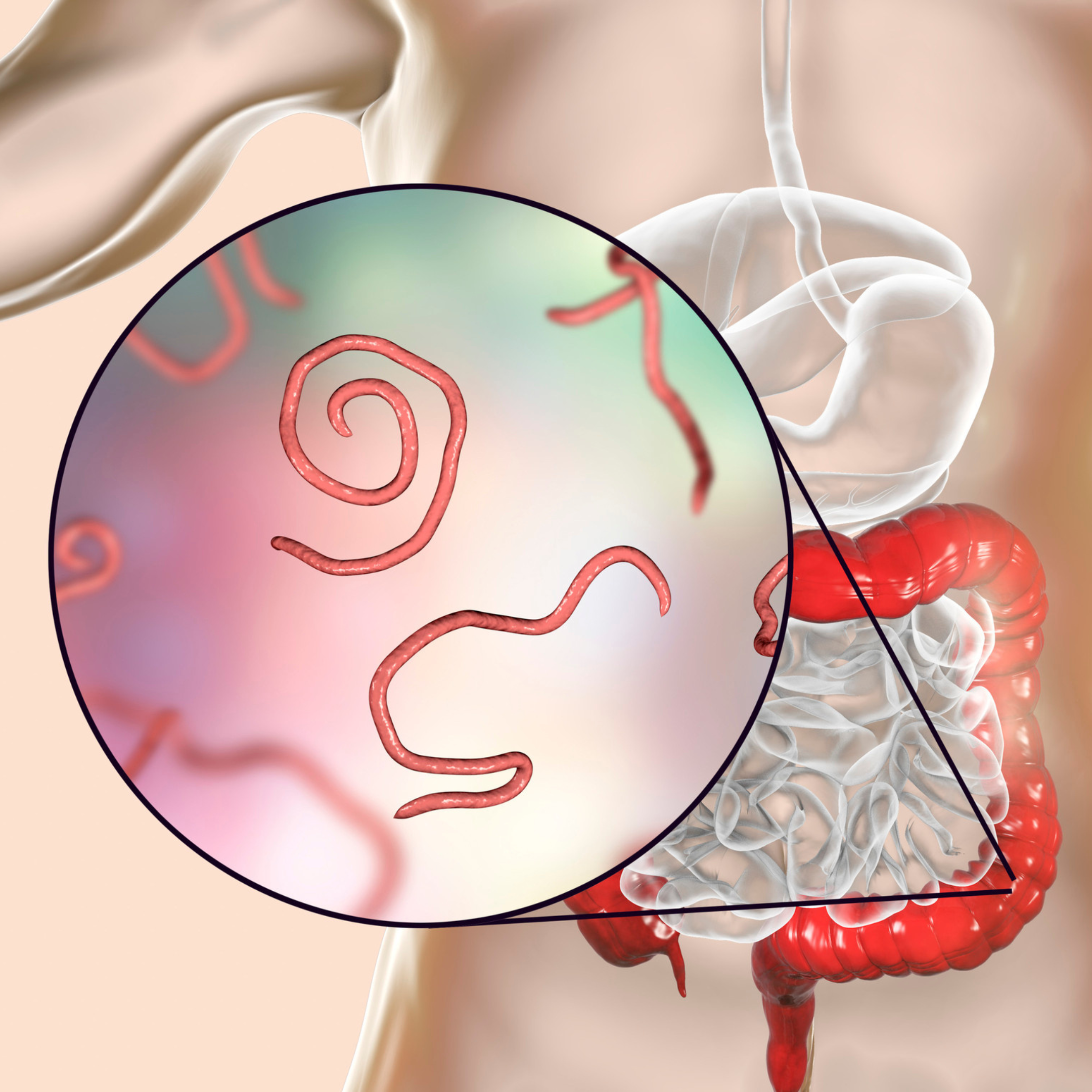
Why is it Important to Do a Parasite Cleanse?
Feeling drained and not quite yourself? You might be facing the silent struggle of parasites in your body. In our latest blog post, we dive into the importance of a parasite cleanse and how it can transform your health journey. Discover the signs of parasitic infections, the benefits of cleansing, and practical steps you can take to reclaim your energy, improve your digestion, and enhance your overall well-being. Join us as we explore how a simple cleanse can make a world of difference in your life!

In recent years, the concept of a parasite cleanse has gained traction among those seeking to improve their health and well-being. But what exactly is a parasite cleanse, and why might it be important? This blog post will explore the significance of parasite cleanses, their potential benefits, and considerations for incorporating them into your health regimen.
Understanding Parasites and Their Impact on Health
Parasites are organisms that live on or inside a host organism and derive their nutrients at the host's expense. They can be microscopic, like protozoa, or larger, like worms. Common parasites include Giardia, Cryptosporidium, and tapeworms. These invaders can affect various parts of the body, from the intestines to the skin.
Symptoms of parasitic infections can vary widely, including digestive disturbances, fatigue, weight loss, and skin issues. Sometimes, people may not even realize they have a parasite, as symptoms can be subtle or mimic other health conditions.
Why Consider a Parasite Cleanse?
Improved Digestive Health
One of the most common reasons for undertaking a parasite cleanse is to address digestive issues. Parasites can disrupt normal digestive function, leading to symptoms like bloating, gas, diarrhea, or constipation. By removing these parasites, many people report a significant improvement in their digestive health.Enhanced Immune Function
Parasites can weaken the immune system by diverting resources away from your body’s natural defenses. A cleanse can help restore balance and improve immune function, potentially making you less susceptible to infections and other illnesses.Increased Energy Levels
Chronic fatigue can be a sign of parasitic infection. As parasites consume nutrients and cause digestive disturbances, they can leave you feeling drained. Cleansing the body of parasites can help restore your energy levels and improve overall vitality.Mental Clarity and Mood Improvement
Some people find that a parasite cleanse improves mental clarity and mood. Parasites can sometimes cause or exacerbate mood swings, brain fog, or anxiety. By addressing these infections, individuals may experience better cognitive function and a more stable mood.Support for Weight Management
Unwanted parasites can affect metabolism and contribute to weight gain or loss. A cleanse may help reset your digestive system and metabolism, making it easier to manage your weight and maintain a healthy balance.
How to Approach a Parasite Cleanse
1. Consult a Healthcare Professional
Before starting a parasite cleanse, it’s crucial to consult with a healthcare provider, especially if you have underlying health conditions. They can help determine if a cleanse is appropriate for you and recommend safe and effective methods.
2. Choose the Right Method
Parasite cleanses can be done using various methods, including herbal supplements, dietary changes, and fasting. Common herbs used in cleanses include wormwood, black walnut, and cloves. Research and choose a method that aligns with your health needs and preferences.
3. Focus on a Balanced Diet
During a cleanse, it’s essential to maintain a healthy diet that supports your body’s detoxification processes. Emphasize whole foods, such as fruits, vegetables, and lean proteins, and stay hydrated to help flush out toxins.
4. Monitor Your Body’s Response
Pay attention to how your body reacts during and after the cleanse. Some people may experience temporary discomfort or symptoms as the parasites are eliminated. If you experience severe or prolonged symptoms, seek medical advice.
5. Maintain Good Hygiene Practices
Preventing future infections is crucial. Practice good hygiene, such as washing your hands regularly, cooking food thoroughly, and avoiding contact with contaminated water or soil.
Final Thoughts
A parasite cleanse can offer numerous benefits, from improved digestive health and energy levels to enhanced immune function and mental clarity. However, it’s essential to approach a cleanse with careful consideration and proper guidance. By understanding the impact of parasites on your health and taking informed steps towards cleansing, you can support your overall well-being and maintain a healthier lifestyle.
If you're considering a parasite cleanse, start by consulting with a healthcare professional to ensure it's the right choice for you and to receive personalized advice on how to proceed safely and effectively.
Join my WBC Group Parasite Cleanse and let’s get those unwanted guests OUT — for GOOD! 🪱💥
👉 If you're tired of feeling bloated, foggy, sluggish, or just off... this is your sign.
It’s time to reset your gut, boost your energy, and reclaim your body.
💪 Group support, step-by-step guidance, and real results.
You’re NOT doing this alone — we’re doing it together. 💯
Join my WBC Group Parasite Cleanse