
From Burnout to Balance: Resetting Your Nervous System for Optimal Health
Burnout isn’t just about feeling tired—it’s a sign that your nervous system is crying out for help. In this blog, we explore how chronic stress pushes your body into overdrive and share practical, compassionate steps to reset your nervous system. Learn how to move from survival mode to a balanced, thriving state where you can truly feel like yourself again.
Burnout. It’s a word we hear a lot these days, and for good reason. It’s not just a buzzword—it’s a real, physical, and emotional state that affects so many people. Maybe you’ve felt it too: the exhaustion that never seems to go away, the constant mental fog, the overwhelm that makes even the smallest tasks feel impossible.
As a root cause practitioner, I’ve had the privilege of working with individuals who are in the throes of burnout. I’ve seen how it affects their bodies, their minds, and their lives. But here’s the good news: burnout isn’t a permanent sentence. With the right tools and guidance, you can reset your nervous system and restore balance to your life. And the best part? It’s not just about managing symptoms—it’s about finding true healing at the root.
What Is Burnout, Really?
Burnout is often viewed as the result of too much work, too much stress, and too little rest. But the reality is more complex. Burnout occurs when your body’s stress response system—the nervous system—becomes overwhelmed and stuck in a perpetual state of "fight or flight."
When we experience stress, the body activates the sympathetic nervous system (SNS). This is our survival mechanism, designed to prepare us for danger. However, in our modern world, where work pressures, family obligations, and constant digital connectivity can feel like ongoing threats, our SNS rarely gets a chance to turn off. Over time, this chronic activation causes wear and tear on the body, contributing to exhaustion, emotional depletion, and physical symptoms like muscle tension, digestive issues, and sleep disturbances.
On the flip side, the parasympathetic nervous system (PNS) is responsible for the rest-and-digest response, helping our body to heal, rejuvenate, and restore. When your nervous system is in balance, it can seamlessly shift between these two states. But when you’re burned out, that shift becomes harder and harder to make.
The Impact of Burnout on Your Nervous System
Burnout is essentially a nervous system failure to reset. It’s like a car running on empty for too long, the engine revving but not going anywhere. Here’s what burnout does to the nervous system:
Chronic Sympathetic Activation
When your stress response is constantly triggered, your body remains in a heightened state of alert. This can lead to constant feelings of anxiety, poor sleep, and a lack of relaxation.Dysregulated Hormones
Chronic stress affects the HPA axis (hypothalamic-pituitary-adrenal axis), the system that controls your stress hormones, including cortisol. Over time, this dysregulation leads to adrenal fatigue and an inability to cope with stress effectively.Emotional Disconnection
Prolonged burnout can numb your emotions. You may find yourself feeling detached, irritable, or even apathetic—unable to connect with people or experiences the way you once did.Physical Symptoms
Burnout often manifests as body aches, digestive issues, headaches, or weight fluctuations. The body holds on to stress physically, and it can feel like everything is falling apart.
From Burnout to Balance: How to Reset Your Nervous System
Now that we understand the toll burnout takes on the body, let’s talk about the healing process. It’s not about simply taking a vacation (though that can help!). It’s about resetting the nervous system so that you can create lasting change and return to a state of balance. Here’s how you can do that:
1. Prioritize Rest and Recovery
Sleep: Quality sleep is non-negotiable. Sleep is when your body and nervous system restore. Aim for 7-9 hours of restful sleep each night. Creating a calming bedtime routine, limiting screen time before bed, and keeping your sleep environment dark and quiet can make a world of difference. You should also consider shutting off your wifi and putting your phone on airplane mode.
Rest: Even if you’re not asleep, you still need deep rest. Rest isn’t just for the body—it’s for your nervous system. Allow yourself moments of stillness throughout the day. This could be a short meditation, a 5-minute breathing exercise, or simply sitting quietly in nature.
2. Regulate Your Nervous System
Breathing Techniques: The quickest way to reset your nervous system is through deep, conscious breathing. Try diaphragmatic breathing (breathing deeply into your belly) or the 4-7-8 method (inhale for 4 seconds, hold for 7 seconds, exhale for 8 seconds). These techniques activate your parasympathetic nervous system and help shift you out of fight-or-flight mode.
Vagus Nerve Stimulation: The vagus nerve is your body’s main "reset" switch. Stimulating it helps turn off stress responses and activate healing. Simple activities like humming, gargling, or deep belly laughter can stimulate the vagus nerve and bring you back to a place of balance.
3. Reconnect with Your Body
Movement: Gentle movement, like yoga or walking, can help release built-up tension in your muscles. The key is to avoid intense exercise that could further stress your nervous system. Focus on what feels good and nurturing for your body.
Massage and Bodywork: A good massage, acupuncture, or bodywork session can help release stored tension in your muscles and reset your nervous system. It's not just a luxury; it's an essential part of healing from burnout.
4. Nourish Your Body with Healing Foods
Gut Health: The state of your gut is intricately connected to your nervous system. Eating gut-healing foods like bone broth, fermented foods, and fiber-rich vegetables can support both your digestion and your mood. If you’re struggling with burnout, it’s important to avoid excessive caffeine, sugar, and processed foods, which can further irritate your nervous system.
Adaptogenic Herbs: Herbs like ashwagandha, rhodiola, and holy basil are known as adaptogens—they help balance your body’s response to stress. Adding them to your routine (under the guidance of a healthcare practitioner) can support your recovery.
5. Address the Root Causes of Burnout
Emotional Healing: Burnout often has emotional roots, whether it’s unresolved trauma, people-pleasing tendencies, the constant pressure to perform, or perfectionism. Working with a psych-k therapist, coach, or energy healer can help uncover these underlying issues and allow you to heal at a deeper level.
Set Boundaries: One of the biggest contributors to burnout is the inability to say no. Learning to set clear, compassionate boundaries—whether in your work or personal life—helps prevent future burnout and allows you to honor your needs.
Healing is a Journey, Not a Quick Fix
The journey from burnout to balance isn’t linear. Some days, you might feel on top of the world, and other days, you’ll need to rest and reset. It’s okay. Healing is a process, and you don’t have to go through it alone.
As someone who has worked through my own experiences with burnout, I can tell you this: the path to healing starts with self-compassion. It’s about understanding that you don’t have to be perfect. You don’t have to keep pushing through. You are worthy of rest, of balance, and of a life that feels good—not just looks good.
You’re already taking the first step by reading this and seeking support. Trust that your nervous system can heal, and with the right tools, you can return to a state of balance where both your body and mind thrive.
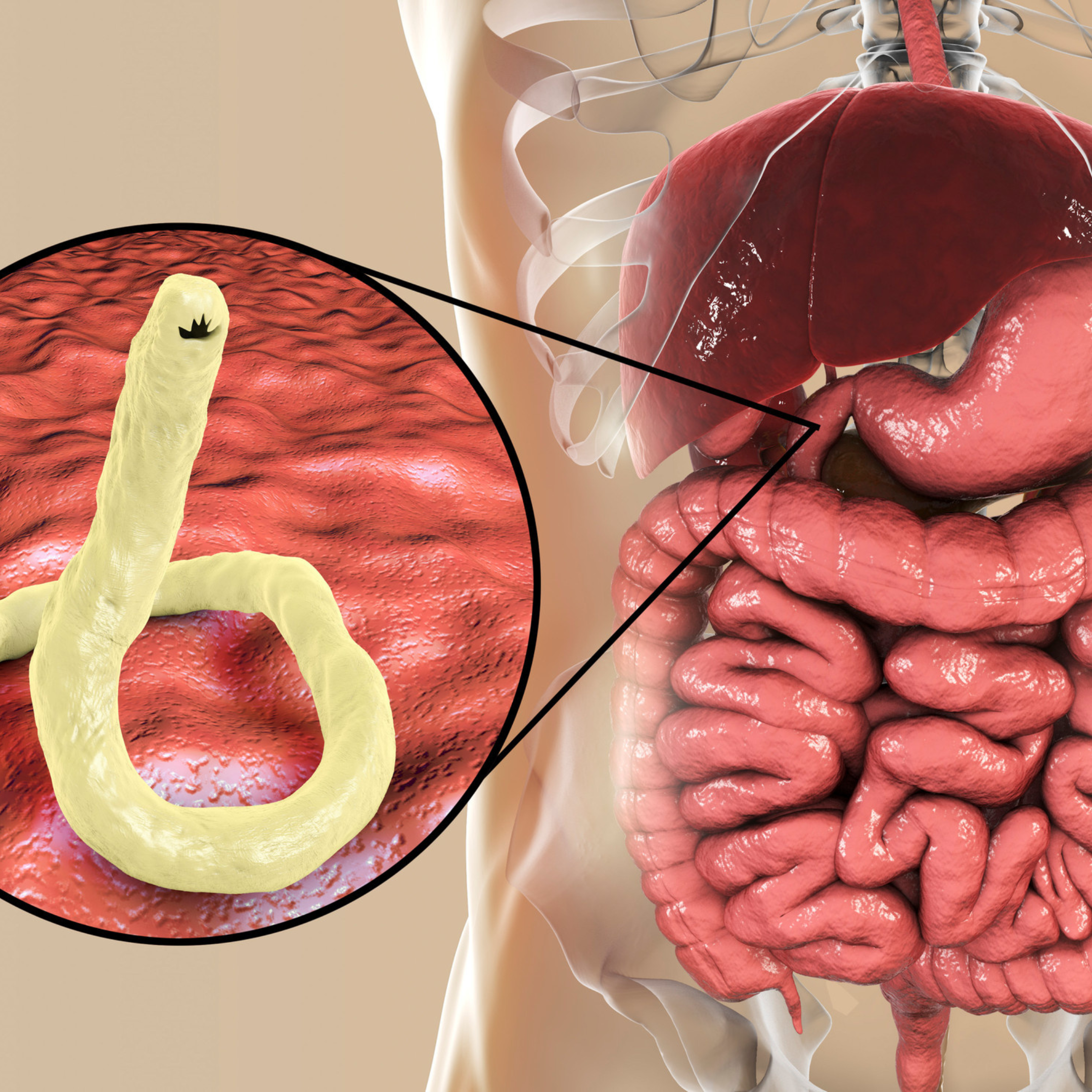
What You Should Know About Doing a Parasite Cleanse
Parasites can be hidden culprits behind digestive issues, fatigue, skin problems, and more. In this guide, learn what a parasite cleanse is, signs that you might need one, and how to detox safely and effectively. With insights from a wellness coach, find out how a cleanse can boost your energy, improve digestion, and help you feel your best.

Parasites are often the unwanted guests that invade our bodies, sometimes without us even realizing it. As a root cause practitioner and health wellness coach, I frequently encounter questions about parasites and the idea of doing a parasite cleanse. In this blog post, I’ll share everything you need to know about parasite cleanses, including their benefits, the signs you might need one, and how to approach the process safely and effectively.
Understanding Parasites
Before diving into the specifics of a parasite cleanse, let’s clarify what parasites are. Parasites are organisms that live on or in a host (that’s you) and rely on that host for survival. They can take various forms, including:
Protozoa: Single-celled organisms, such as Giardia and amoebae.
Helminths: Worms, including roundworms, tapeworms, and flukes.
Ectoparasites: Organisms like ticks and fleas that live on the outside of the host.
While we often think of parasites as something you might pick up from traveling or consuming contaminated food, they can be more common than you think. In fact, estimates suggest that nearly one in four people globally may be affected by parasitic infections.
Signs You Might Need a Parasite Cleanse
Many people may not even know they have parasites, as symptoms can be subtle or mistaken for other health issues. Here are some signs that might indicate a need for a parasite cleanse:
Digestive Issues: Chronic bloating, gas, diarrhea, or constipation can all be signs of a parasitic infection.
Unexplained Weight Changes: Sudden weight loss or gain without changes in diet or exercise can be linked to parasites.
Fatigue: Persistent tiredness or a feeling of exhaustion can be a result of the body fighting off a parasite.
Skin Issues: Rashes, eczema, or acne that don’t respond to typical treatments may be linked to an underlying parasitic issue.
Mood Swings or Brain Fog: Parasites can affect your mental clarity, leading to anxiety, depression, or difficulty concentrating.
Food Cravings: Unusual cravings for sugar or specific foods can sometimes be attributed to parasites manipulating your appetite.
If you’re experiencing any of these symptoms, it’s worth consulting with a healthcare professional who can help determine if a parasite cleanse is appropriate for you.
The Benefits of a Parasite Cleanse
The idea of doing a parasite cleanse can seem daunting, but it can also bring several potential benefits:
Improved Digestion: A cleanse can help reset your digestive system, reducing bloating and discomfort.
Increased Energy Levels: By eliminating parasites, your body may function more efficiently, leading to increased energy and vitality.
Enhanced Nutrient Absorption: Parasites can interfere with nutrient absorption. Cleansing can help your body better utilize the nutrients you consume.
Clearer Skin and Improved Mood: Many people report improvements in their skin and mental clarity after a cleanse.
How to Safely Do a Parasite Cleanse
If you decide to pursue a parasite cleanse, it’s essential to approach it thoughtfully and safely. Here are some key steps to consider:
1. Consult a Professional
Before starting any cleanse, consult with a wellness professional who understands your unique health situation. They can guide you based on your specific needs and any underlying health conditions.
2. Start by Opening up Drainage Pathways
If you aren’t addressing kidneys, liver, lymphatic system, glymphatic system etc BEFORE starting a cleanse, there is a much higher chance you will have detox or “herx” symptoms. The prep phase of a cleanse is the most important! You also need to ensure you are having a least 1 bowel movement/day.
3. Focus on Diet
A healthy diet can enhance the effectiveness of a parasite cleanse. Focus on whole foods, such as:
Fresh fruits and vegetables: Especially those high in fiber, which can aid digestion.
Clean Protein: grass fed + pasture raised
Bone broth: Known for its gut-healing properties.
Parasite Killing foods like: garlic + pumpkin seeds
Limit processed foods, sugar, and alcohol, as these can feed parasites and hinder your progress.
4. Stay Hydrated
Water is crucial during any cleanse. Aim to drink plenty of fluids to help flush out toxins and support your body’s natural detoxification processes. Add minerals to bring the water INTO the cells.
5. Monitor Your Symptoms
As you undergo a parasite cleanse, keep track of any changes in your symptoms. This will help you assess the effectiveness of the cleanse and communicate any concerns with your healthcare provider.
6. Follow Up
After completing your cleanse, consider a follow-up with your wellness practitioner/guide. They can assess your progress and suggest any further steps, if necessary.
Final Thoughts
A parasite cleanse can be a beneficial part of your wellness journey if approached with care and understanding. By recognizing the signs of a parasitic infection and knowing how to cleanse safely, you can take proactive steps toward improved health and vitality.
Remember, always prioritize working with a qualified wellness professional to ensure that your cleanse is tailored to your individual needs and health status. Your body is your most valuable asset—treat it with the care and respect it deserves!
Join my WBC Group Parasite Cleanse