
The HPA Axis: Your Body’s Stress Symphony (and How to Keep It in Harmony) By Carli Kilgore
Ever feel wired but tired, running on empty, or like your body’s in constant overdrive? It could be your HPA axis calling for help. This intricate stress-response system is at the core of your energy, hormones, sleep, and mood. In this blog, we’ll unpack what the HPA axis is, how chronic stress throws it off balance, and most importantly—how to gently restore it using root cause, whole-body healing. Your body’s not broken—it’s protecting you. Let’s help it feel safe again.

When we talk about stress, adrenal fatigue, burnout, or even hormonal imbalances, there’s one key system at the center of it all: the HPA Axis. Think of it as your body’s stress conductor—quietly orchestrating how you respond to the world around you, minute by minute, day by day.
But what is the HPA axis exactly, and why does it matter so much for your health and healing?
Let’s dive in.
💡 What is the HPA Axis?
The HPA axis stands for the Hypothalamic-Pituitary-Adrenal axis. It's a dynamic communication network between three major glands:
Hypothalamus (in the brain) – The control center, sensing changes and sending out the first signal.
Pituitary gland (also in the brain) – The messenger, receiving signals from the hypothalamus and directing the adrenal glands.
Adrenal glands (on top of the kidneys) – The doers, releasing cortisol and other stress hormones in response to the signals they receive.
This trio works together to manage your stress response, regulate energy, influence your immune system, control blood pressure, and even affect digestion and mood.
🧠 Stress & the HPA Axis: A Delicate Balance
Your HPA axis is beautifully designed to help you survive a threat—a lion chasing you, a car cutting you off, or a big work presentation. In short bursts, cortisol (your primary stress hormone) is adaptive. It sharpens your mind, raises your blood sugar, and readies your muscles.
But here’s the catch…
Chronic, unrelenting stress—from deadlines, poor sleep, toxic relationships, blood sugar dips, overtraining, or even inflammation—keeps this system "on" all the time. That’s when problems start.
🛑 What Happens When the HPA Axis Goes Off Track?
When your HPA axis is chronically activated, it starts to misfire. Over time, this can lead to what's often called HPA axis dysregulation (formerly known as adrenal fatigue). It’s not that your adrenals are “tired,” but rather the entire communication loop is off.
Symptoms can include:
Fatigue (especially in the morning or mid-afternoon)
Difficulty sleeping (wired but tired at night)
Cravings for salt, sugar, or caffeine
Anxiety or feeling "on edge"
Brain fog and poor memory
Low libido
Hormonal imbalances (e.g., PMS, irregular periods, low testosterone)
Immune dysfunction (frequent colds or autoimmunity)
Sound familiar?
🔍 Getting to the Root: What’s Driving Your HPA Dysregulation?
As a root cause practitioner, we don’t just look at symptoms—we ask why. What’s behind the HPA imbalance?
Here are common contributors:
Emotional stress – trauma, grief, work overload, perfectionism
Inflammation – gut issues, infections, toxins, food sensitivities
Blood sugar imbalances – skipping meals, sugar highs and crashes
Poor sleep quality – not just hours, but restorative sleep
Circadian rhythm disruption – blue light at night, shift work, irregular schedules
Overtraining or under-recovery – especially in women and high achievers
🛠 How to Rewire and Support Your HPA Axis (Naturally)
Healing the HPA axis is not about popping an adaptogen and hoping for the best. It's about creating safety in the body, consistency in your rhythms, and reconnection with your body’s needs.
Here’s where we start:
1. Nourish Regularly & Stabilize Blood Sugar
Eat balanced meals with protein, fat, and fiber
Ditch intermittent fasting if you're burnt out—it’s not for everyone
Keep snacks handy (especially if you crash mid-morning or mid-afternoon)
2. Prioritize Deep, Restorative Sleep
Get morning sunlight to anchor your circadian rhythm
Shut down screens an hour before bed
Consider magnesium, glycine, or calming herbs (under guidance)
3. Embrace Nervous System Regulation
Breathwork, meditation, somatic practices, EFT, or yoga
Even 10 minutes a day can shift your state from “fight or flight” to “rest and repair”
4. Honor Your Energy Cycles
Match your workouts to your energy (hint: not every day needs to be high-intensity)
Build in true rest days—guilt-free
5. Use Targeted Supplementation (When Needed)
Adaptogens like ashwagandha, rhodiola, holy basil
Nutrients like B vitamins, vitamin C, magnesium, and electrolytes
Functional testing to tailor support (e.g., DUTCH test, salivary cortisol)
❤️ Final Thoughts: Your Body Wants to Heal
The HPA axis isn’t broken—it’s adaptive. It’s doing its best to protect you based on the signals it’s receiving. When you begin to shift those inputs—physically, emotionally, environmentally—you help your body feel safe again.
And from that place of safety, healing becomes not just possible—but inevitable.
Ready to rebalance your HPA axis and reclaim your energy?
Let’s work together to get to the root and build resilience from the inside out.
Want to learn more about Stress Reset?
Watch this podcast on Youtube about
The Stress Reset Protocol: How to Calm Your Brain & Body for Good
👇👇👇
Instagram post:
👇👇👇
Trauma & Unresolved Stress Keep You Stuck in Freeze Mode
https://www.instagram.com/p/DITsWcLpjKC/?utm_source=ig_web_copy_link&igsh=MzRlODBiNWFlZA==
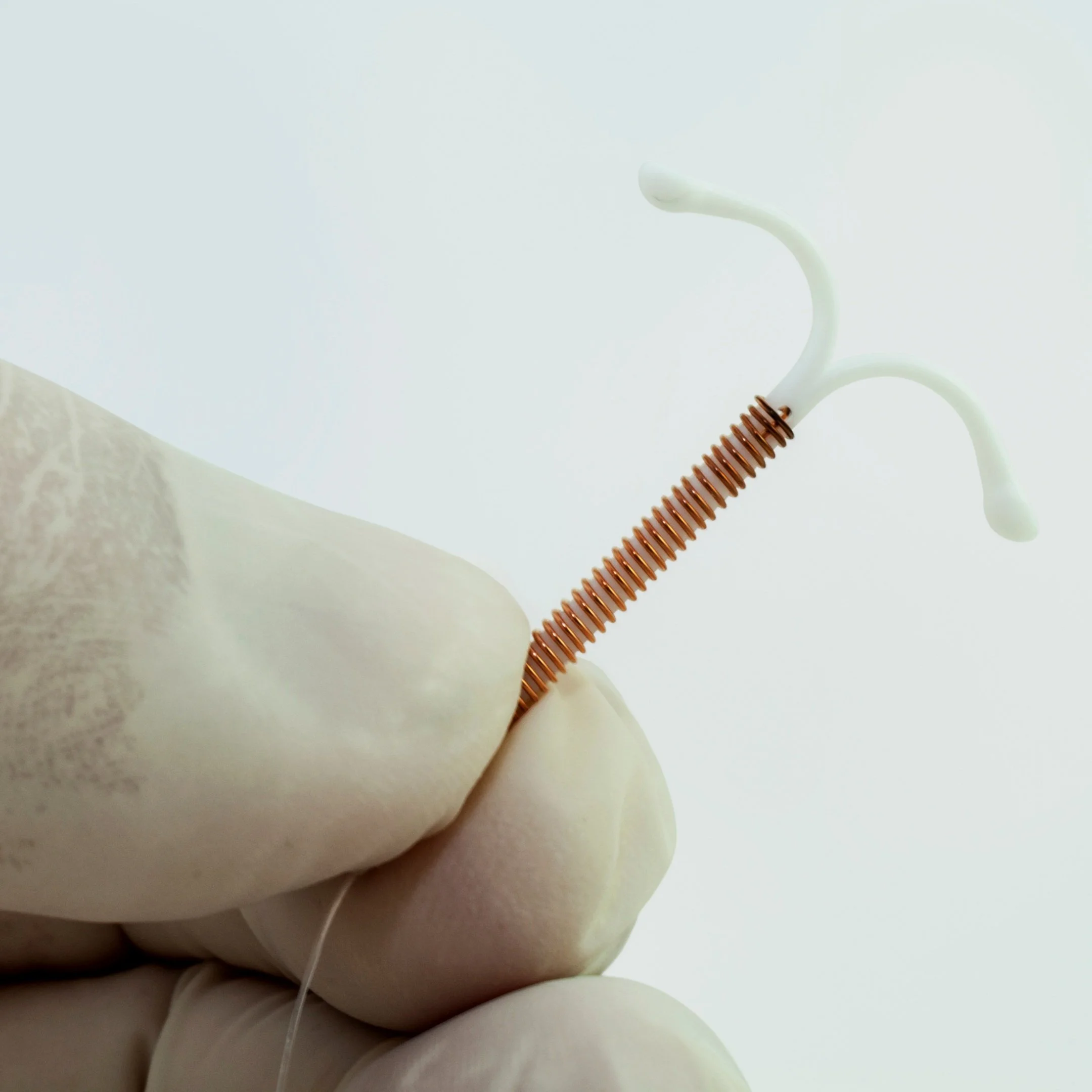
The Copper IUD: A Holistic Perspective on Health Implications
Could your Copper IUD be affecting your health? Many women experience fatigue, anxiety, brain fog, and hormonal imbalances without realizing their birth control may be a contributing factor. While marketed as “hormone-free,” the Copper IUD continuously releases copper, which can disrupt mineral balance, estrogen levels, and overall well-being. This article explores common symptoms of copper overload, who may be more sensitive, and holistic strategies to support your body. Plus, discover natural birth control alternatives that align with your health goals.

I often see women struggling with mysterious symptoms—fatigue, anxiety, brain fog, and hormonal imbalances—that conventional medicine brushes off as normal. But what if I told you that your birth control method could be playing a significant role in your health?
The Copper IUD (ParaGard) is often chosen as a "hormone-free" birth control option, but that doesn’t mean it’s free from systemic effects. In holistic and functional medicine, we recognize that this device continuously releases copper into the body, potentially impacting mineral balance, hormone regulation, and overall well-being. Let’s dive into some of the most common concerns and how you can support your body if you have—or are considering—a Copper IUD.
1. Copper Toxicity & Mineral Imbalances
The body needs a delicate balance of minerals to function optimally. The Copper IUD steadily releases copper, which can lead to an imbalance, especially in relation to zinc. This can contribute to:
Fatigue
Anxiety & mood swings
Brain fog
Hormonal imbalances
Skin issues (acne, eczema)
Insomnia
Joint pain
Your liver plays a key role in detoxifying excess copper, but if detox pathways are sluggish, copper can build up and wreak havoc on your body.
2. Estrogen Dominance
Copper has an estrogenic effect, meaning it may contribute to estrogen dominance, a condition linked to:
Heavy, painful periods
Breast tenderness
PMS
Weight gain (especially around the hips/thighs)
Increased risk of fibroids, endometriosis, and hormonal acne
If you’re already struggling with hormonal imbalances, introducing additional copper into the system could tip the scales further out of balance.
3. Gut & Microbiome Disruptions
Copper plays a role in microbial balance, but too much of it can disrupt the gut, contributing to:
Candida overgrowth
Gut dysbiosis
Increased inflammation in the digestive tract
Since gut health is foundational to overall wellness, chronic disruptions here can lead to widespread symptoms.
4. Adrenal & Nervous System Stress
The adrenals use zinc for stress regulation, and since copper and zinc work in opposition, excess copper can deplete zinc levels. This may result in:
Increased anxiety or panic attacks
Feeling overstimulated, wired but tired
Sensory sensitivity
Blood sugar instability
If you’re already dealing with stress, fatigue, or burnout, excess copper can further dysregulate your nervous system.
5. Autoimmune & Inflammatory Reactions
Some women experience chronic inflammation or autoimmune flares after getting a Copper IUD. Holistic practitioners believe this could be due to:
A reaction to the foreign device in the body
The immune system overreacting to increased copper levels
This is especially important for those with existing autoimmune conditions or a family history of immune dysregulation.
Who Might Be More Sensitive to the Copper IUD?
Some women are more vulnerable to the effects of excess copper, including:
Women with MTHFR mutations or poor detox pathways (they may struggle with copper clearance)
Those with a history of adrenal fatigue or HPA-axis dysfunction
Women already experiencing estrogen dominance, thyroid issues, or heavy metals toxicity
If any of these apply to you, monitoring your copper levels and supporting detoxification is crucial.
How to Mitigate Negative Effects
If you choose to keep a Copper IUD but want to minimize potential side effects, here are some holistic strategies:
Support Liver Detoxification
Dandelion root tea, milk thistle, beet juice
Sulfur-rich foods: garlic, onions, eggs, cruciferous veggies (broccoli, cabbage, Brussels sprouts)
Balance Copper with Zinc
Zinc-rich foods: oysters, pumpkin seeds, grass-fed beef
Supplementation: 30-50mg zinc picolinate per day (balance with a little copper)
Strengthen Gut Health
Probiotics
Avoiding sugar and processed foods
Manage Stress & Support Adrenals
Magnesium, B vitamins
Adaptogens like ashwagandha
Testing for Copper Toxicity & Balancing Minerals
If you suspect copper toxicity, testing can provide clarity:
Lab Testing for Copper Imbalance
Micronutrient Test Shows long-term mineral imbalances, including high copper and low zinc.
Blood Tests:
Serum Copper
Ceruloplasmin (low levels suggest free copper buildup)
Serum Zinc
Plasma Vitamin B6 (helps detox excess copper)
If serum copper is above 110 µg/dL or the copper-to-zinc ratio is skewed (higher than 1:8), you may be dealing with copper overload.
Natural Birth Control Alternatives
If you’re looking to remove the Copper IUD but still want effective, non-hormonal birth control, consider these options:
1. Fertility Awareness Method (FAM)
Tracks ovulation naturally using basal body temperature and cervical mucus
Apps like Natural Cycles or Read Your Body help chart accurately
When done correctly, it's 99% effective (as effective as the pill!)
2. Non-Hormonal Barrier Methods
Diaphragm (Caya) – Can be paired with natural spermicide
Copper-Free IUD (Ballerine) – Less copper exposure than ParaGard
External & Internal Condoms – Prevent both pregnancy & STDs
3. Herbal Birth Control Support
Wild carrot seed (Queen Anne’s Lace) has been traditionally used to prevent implantation
Neem oil & Ayurvedic herbs have antifertility properties (use with caution)
4. Cycle Syncing & Conscious Conception
Tracking ovulation and using protection during fertile windows (~6 days per month) can be highly effective
Final Thoughts
The Copper IUD may work well for some women, but for others, it can trigger a cascade of health issues. If you notice symptoms like anxiety, fatigue, or hormonal imbalances after insertion, it may be worth assessing your copper levels and supporting detoxification.
Your body is unique, and your birth control choice should align with your overall wellness. If you're struggling with symptoms and suspect your IUD is a factor, trust your intuition, get tested, and take steps to support your body's natural balance.
As always, if you need personalized guidance, working with a holistic practitioner can help you navigate the best path for your body and health goals.
Check my Instagram Post ro learn more about Copper IUD
👇🏻👇🏻👇🏻
Is Copper IUD Affecting Your Health?
https://www.instagram.com/p/DGv5ffoT1lT/?utm_source=ig_web_copy_link&igsh=MzRlODBiNWFlZA==
Is Copper IUD Secretly Draining You?
https://www.instagram.com/reel/DGgfKqLzuMy/?utm_source=ig_web_copy_link&igsh=MzRlODBiNWFlZA==